“The label wouldn’t exist if I hadn’t moved to San Francisco.”
An interview with Josh Cheon, owner of the San Francisco-based indy record label and publisher Dark Entries.
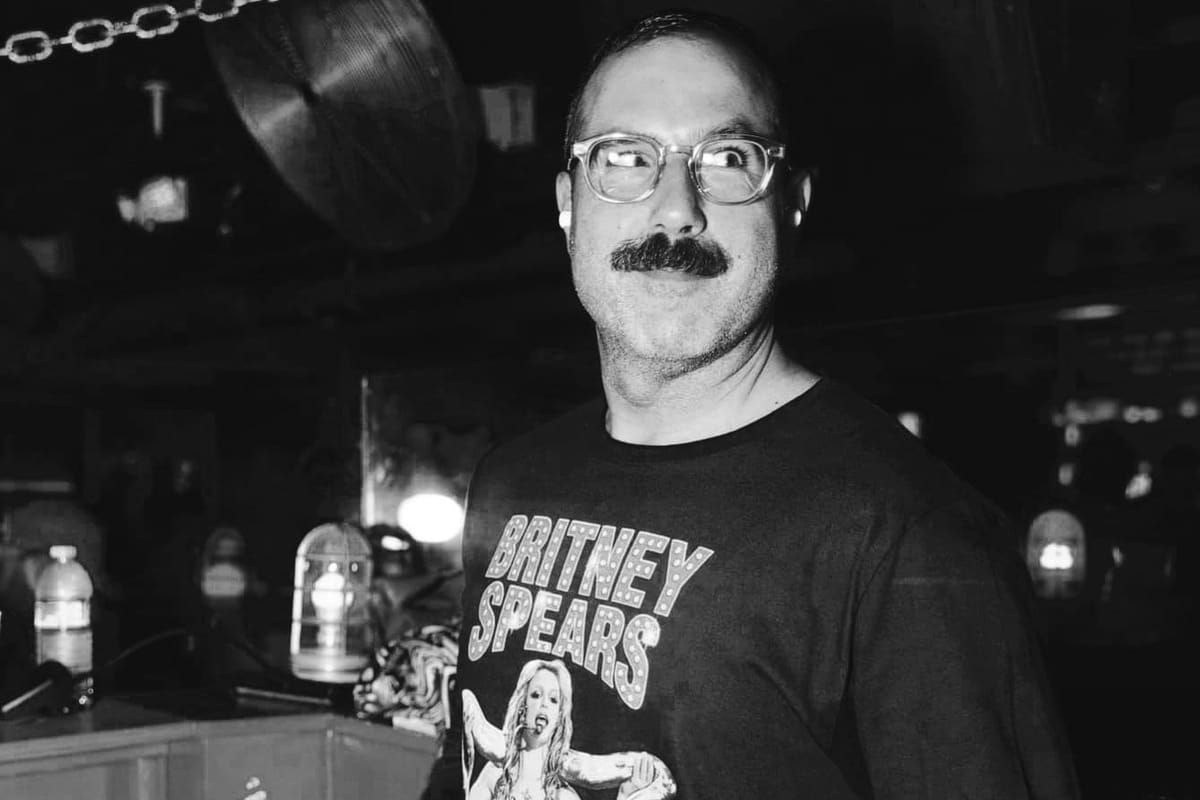
What do you do if you’re a vinyl-playing DJ who wants music that only exists on elusive and expensive cassette tapes? If you’re Josh Cheon, you start an independent record label and start releasing the music yourself.
When his label, Dark Entries, launched in 2009, he was doing limited run, hand-numbered releases. “We started off incredibly do-it-yourself,” he tells me when we chat on the phone early in 2026. “A lot of our early releases contained DIY art inside. We were hand-numbering everything, sourcing paper from a store called Scrap that carried a lot of recycled materials, and then screen printing on them.”
Compared to the East Coast, Josh has found San Francisco’s music scene to be “much more laid back,” he says. “A lot of people were very forthcoming with knowledge, when I had questions about the label business, like who do I use to print, who do I use for mastering, where do I press – it’s not a gatekeeper mentality. I don't think the label would have really existed if I hadn’t moved to San Francisco.”
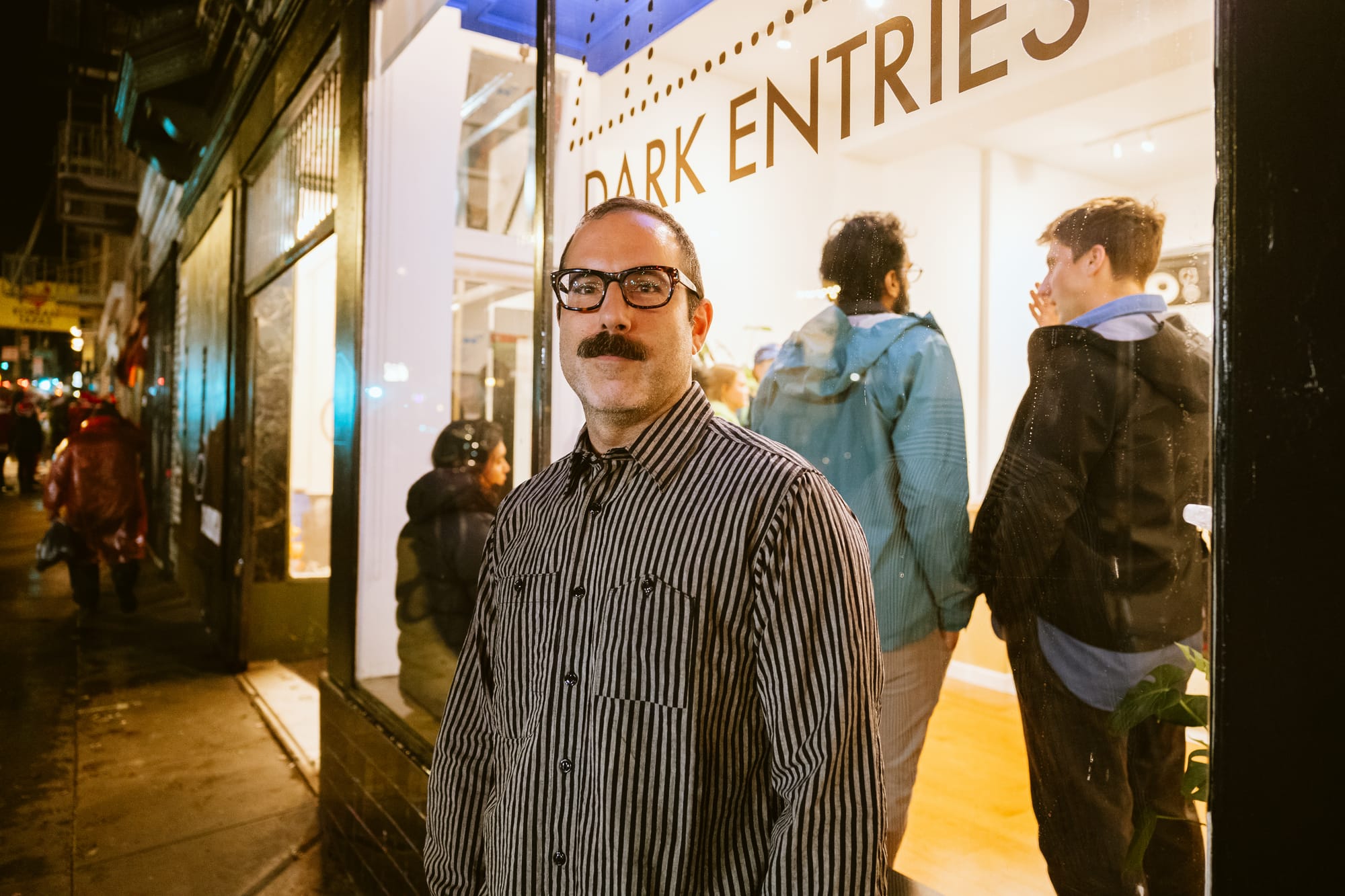
Dark Entries has been instrumental in introducing new audiences to the late Patrick Cowley, the San Francisco-based producer of major hits by disco superstar Sylvester. Cowley was felled by Aids in 1982 when he was just 32. Although short, his music career was both incandescent and intensely prolific. Pitchfork describes him as one of “disco’s most important producers” – “a trailblazer: a gay man making gay music for a gay audience and their admirers” who “honed the hi-NRG style, with its staccato synth sequences that could fill the floor at gay clubs”.
Josh first heard Cowley when a friend recommended he listen to him because of Josh’s interest in genres like synth pop, new wave and post-punk. His reaction when he listened to the Mind Warp album was “Whoa, this is incredible!” Headed to San Francisco soon after on a visit, he bought a bunch of his records secondhand (which were being stocked at really cheap prices in record shops there) and brought them back to New Jersey. About a month later, he decided to move to San Francisco, despite a sparse rolodex – and not having a job. A former co-worker let him bunk down on his floor for a couple nights. He stuck around, becoming friendly with fellow music enthusiasts he met at disco parties. He was invited to join a DJ collective, Honey Soundsystem. When it was just a few months old, the collective was invited to visit the house of John Hedges. The last owner of Megatone Records (and a Billboard Disco DJ of the Year back in the 1970s) was retiring to Palm Springs and giving all of his records away to all the local DJs.
“Because we were the new kids on the block, we got invited over last,” remembers Josh. They asked if they could take a box of tapes lying in one corner. To the DJs’ excitement, some of those tapes contained unreleased Patrick Cowley music.
Josh says because “Dark Entries was still kind of like a glimmer in my eye” and “there was no label for Honey Soundsystem”, they gave one of the tapes to a German label, which ended up putting out the music on CD.
To celebrate the release in 2009, Honey Soundsystem threw a party in San Francisco on what would have been Cowley’s 59th birthday. Josh had interviewed about 20 close friends and acquaintances of Cowley’s and headphones were available at the party for you to listen to these conversations.
At the party, two guys approached Josh and asked him if he had found Cowley’s porn soundtracks.
“I said, ‘What are you talking about? I just interviewed 20 of his friends – no one mentioned porn soundtracks.” But the guys insisted that Cowley had scored music for gay porn.
Josh looked for them, but the search was fruitless. When the same duo asked him a year later if he’d found the soundtracks yet he realised he had to “buckle down a little harder”. This increased persistence paid off: he tracked down the director of the porn films who was still alive, living in Los Angeles. He agreed Josh could come down and rifle through the tapes in his garage. Success! He found the soundtracks for School Daze, Muscle Up and Afternooners. Dark Entries was born as the label that would bring these unreleased soundtracks into the world – on vinyl.
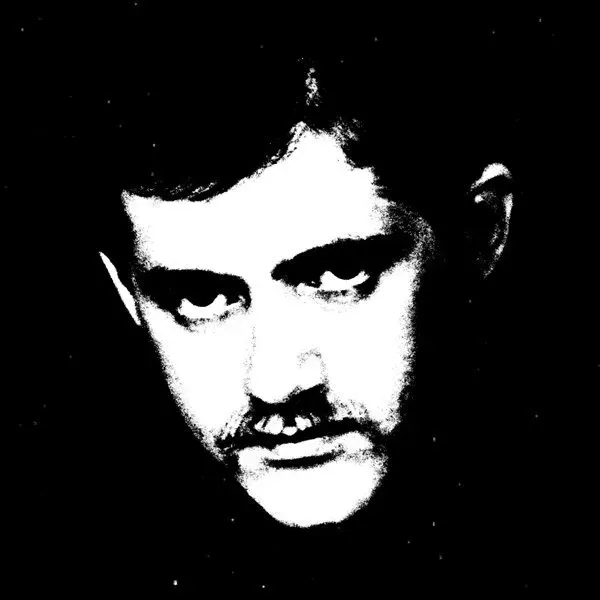
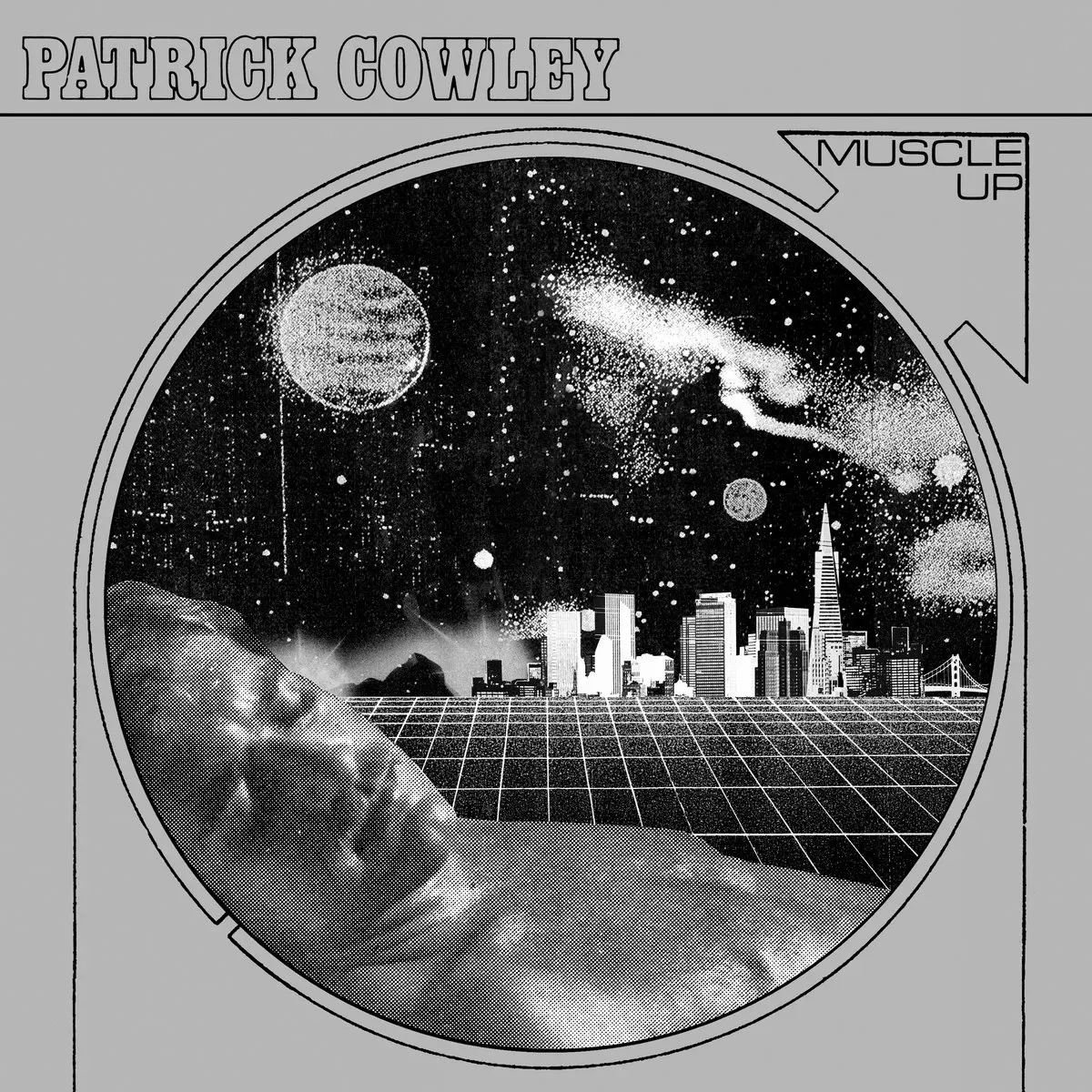
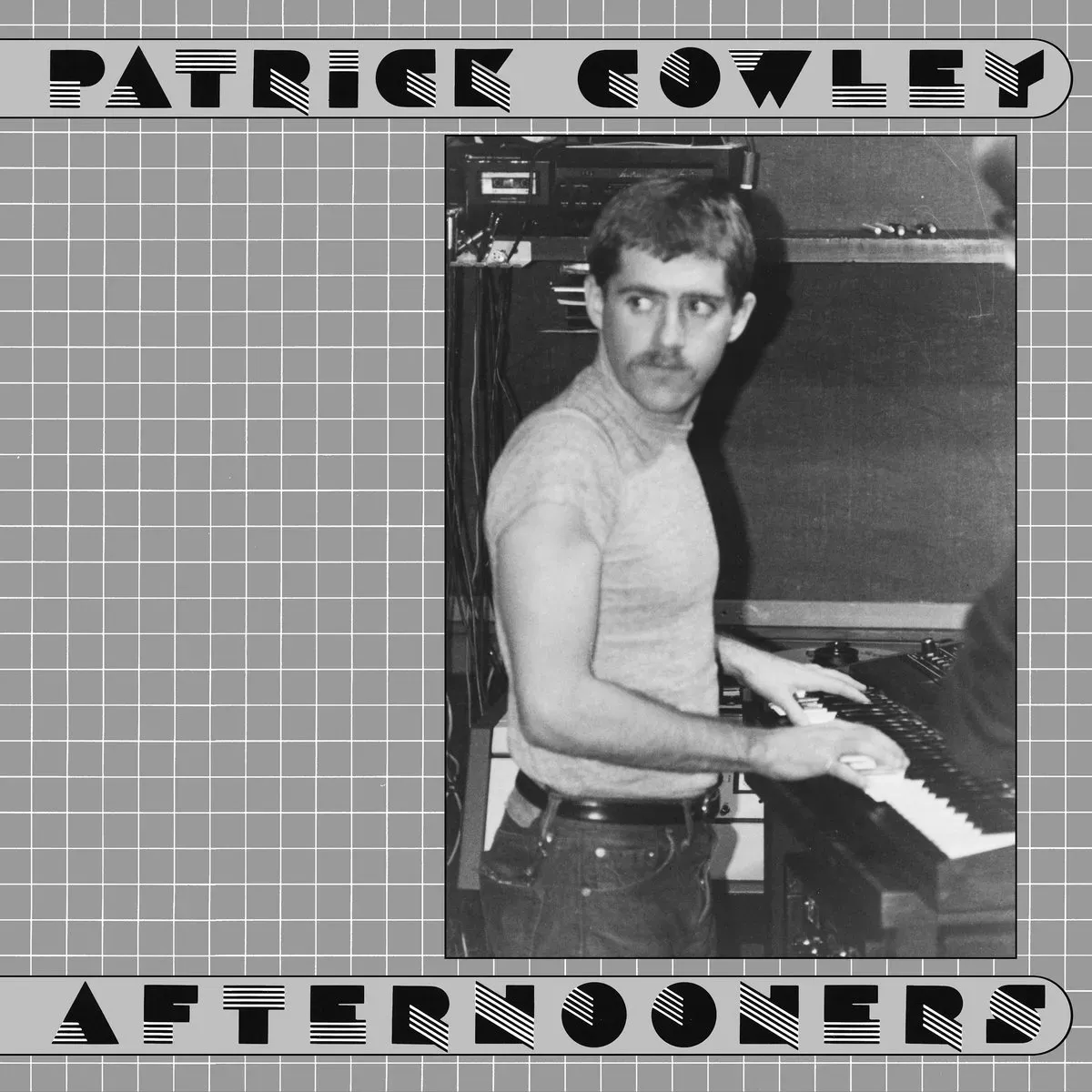
Album cover art for the three porn soundtracks by Patrick Cowley that put Dark Entries on the map when the label released them for the first time on vinyl: School Daze (left), Muscle Up (middle) and Afternooners (right).
The Patrick Cowley music released by Dark Entries continues to sell dependably well. Josh attributes this to the man being something of a household name in disco, and the novelty of the porn soundtracks being something that hadn’t been released before and has an altogether different vibe (hallucinatory, languorously unspooling synths) compared to his effervescent disco tracks.
Today, what Josh chooses to release is “very open,” he says. “I have a running list of stuff in the back of my head. My wish list. I always reach out to certain artists that I've been trying to release for 10 years – I message every year asking them if I can reissue their stuff.”
People send him suggestions about music they think ought to be reissued. He sources new music from friends, or people that send him demos.
“All of this music is already so far underground,” he says. “I take a chance with all of this stuff.”
Dark Entries has produced over 300 releases and he’s not expecting every one of those to be as successful sales-wise as the Patrick Cowley records. He is also not interested in quick turnover — in selling out limited editions and then moving onto the next band. “We're in it for the long run,” he explains. “All of our releases are, we believe, classics. They’re staples.” He admits, though, “it's annoying when things that I'm excited about don’t hit”, noting that “even some of the contemporary stuff that I've done flies under the radar.” But, he says, maybe in 40 years, those unsung records will be the ones getting reissued. “I just keep pushing. Things change: people’s tastes change.”
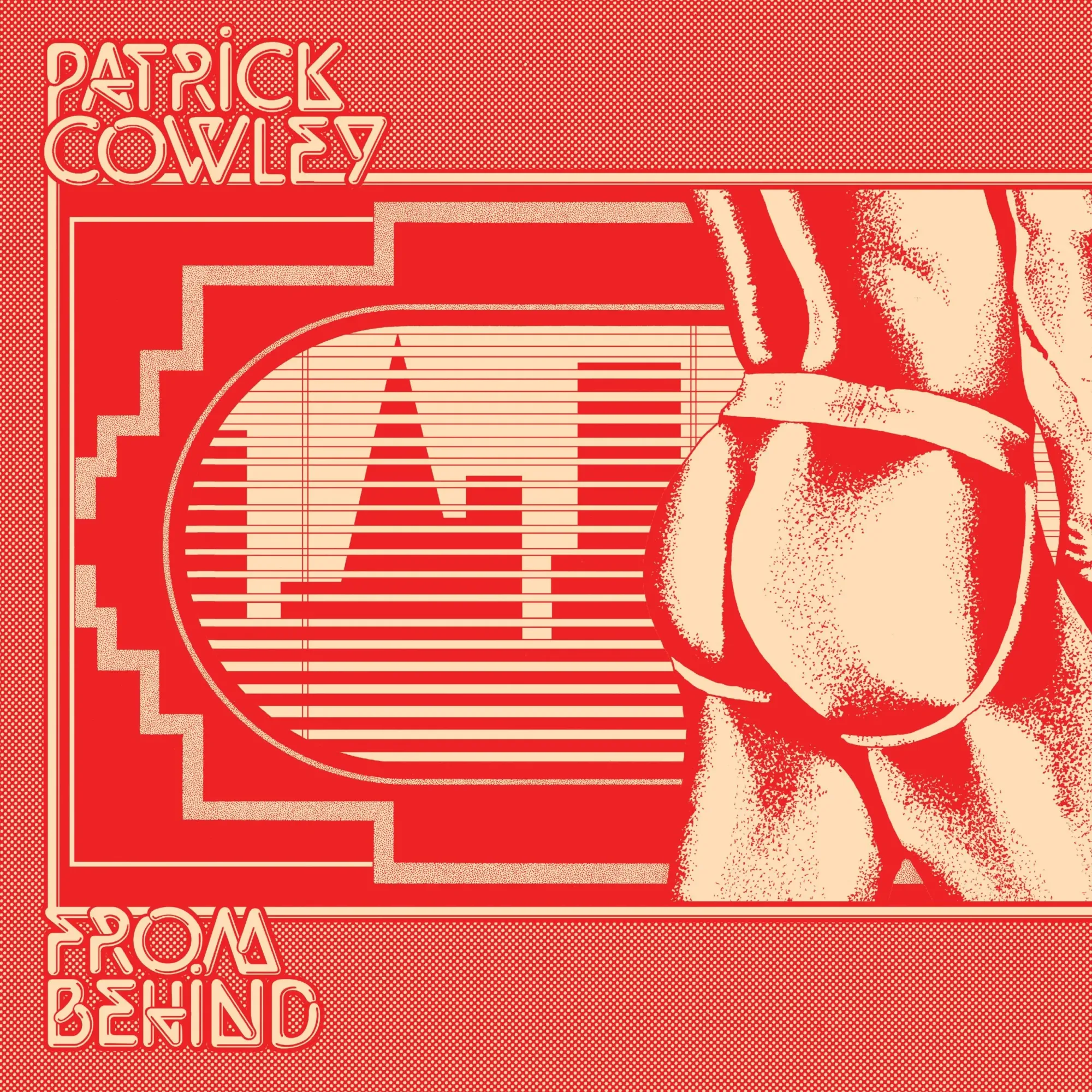
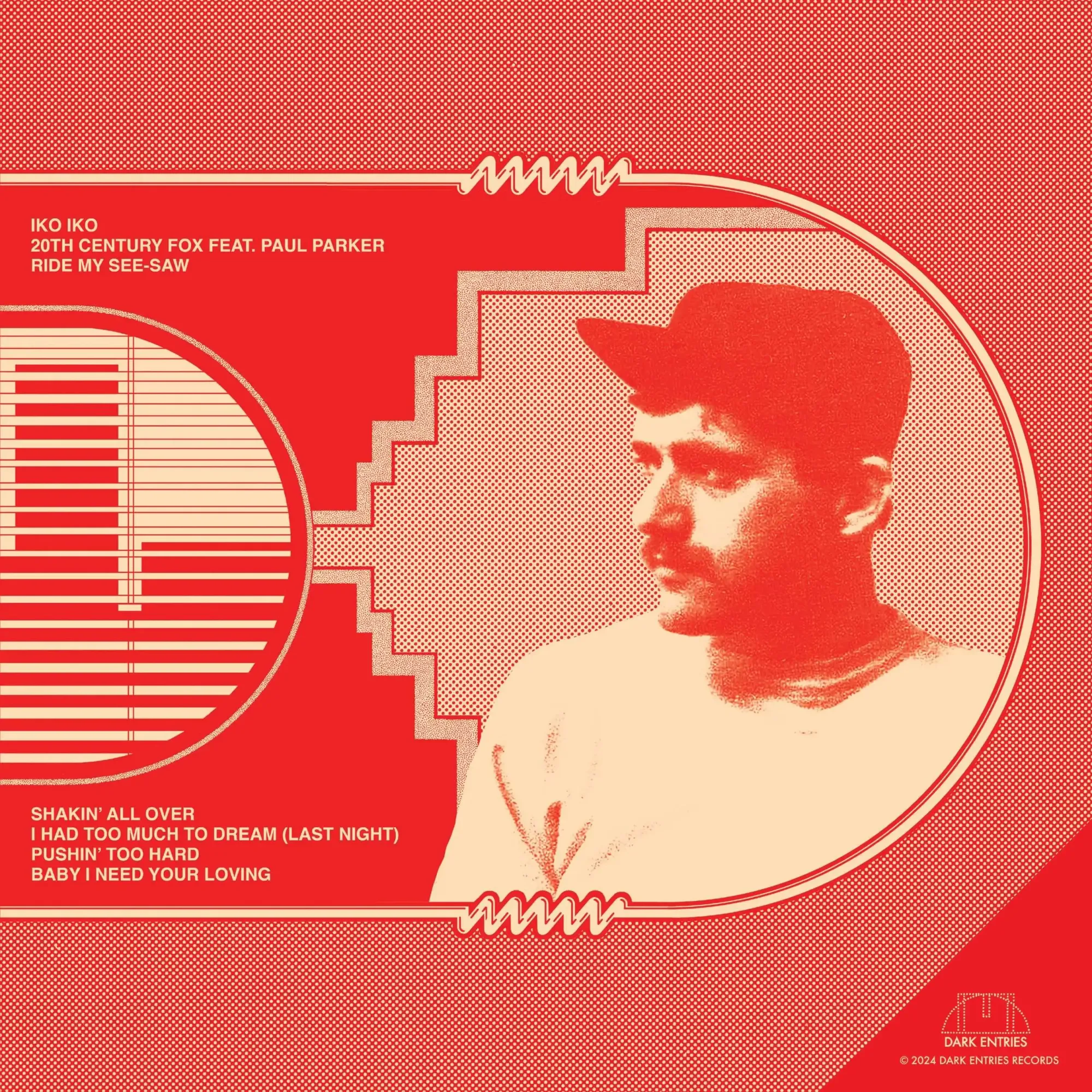
My personal favourite Patrick Cowley / Dark Entries album cover. Love the angular SF skyline (spot the Transamerica Pyramid?!) juxtaposed with that curvy butt.
A lot of care and craft goes into the production of Dark Entries records.
“We work with incredible sound engineers who have been doing this for their entire life and they know how to work with these formats. They know how to get the best results from whatever format we send them; they have the right machinery and the right software.” The remastering, he says, is “very tasteful and not too aggressive in the approach”. It takes into account that most people aren’t listening to the music on vinyl, and so the aim is to make it sound as good when it’s being streamed over Bluetooth in the car or on someone’s earbuds at the gym as it does when being played on vinyl with a top-notch hi-fi audio system.
And while Dark Entries releases are available digitally, Josh says vinyl records hold an enduring appeal. He ascribes this to their tactile physicality.
“It’s psychological. You’re holding something that you’ve invested in,” he explains. “Vinyl is smooth, shiny, like butter.” In other words: they’re lovely to touch.
The Mexico City-based designer Eloise Shir-Juen Leigh designs most of Dark Entries records’ artwork. If it’s a reissue, she and Josh aim to keep the new design as close to the original as possible. The designs for new music evolve in consultation with the artist whose record they’re releasing.
“We ask for liner notes and if the artist has any memories and they share lyrics and photos and things. We try to provide as much context for the listener to have.” Digital releases come with a downloadable PDF, while the vinyl records are typically accompanied by a printed-out sheet you can read while you're listening.
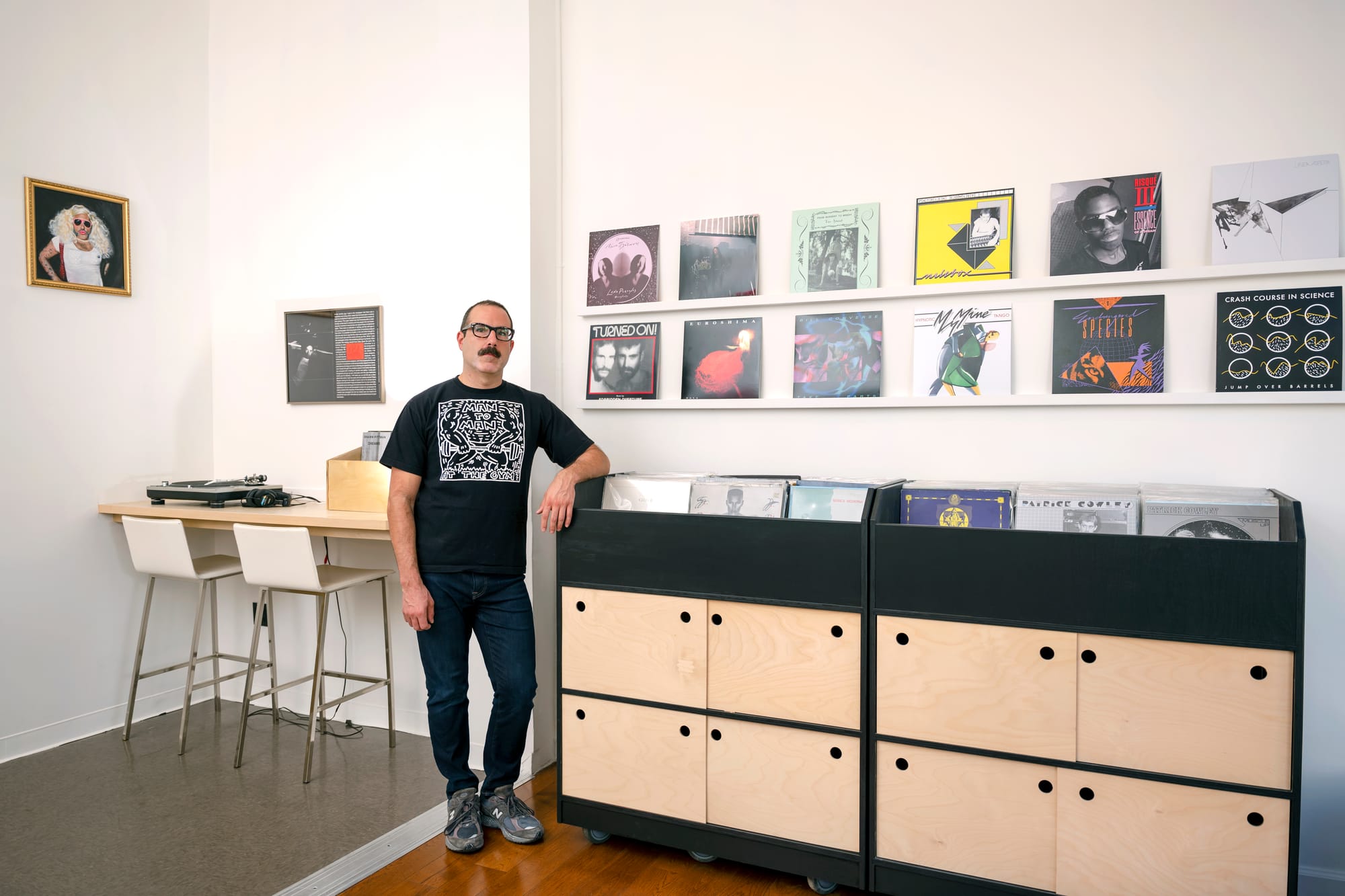
When COVID-19 hit in 2020, “I thought the label was over,” recalls Josh.
The pressing plant producing Dark Entries’ records had stopped operating. “Then our engineer, George Horn, who we had mastered all of our records with since day one, died suddenly from COVID and it was like a double blow,” says Josh. To make matters even worse, the master leaseholder of the work space he was renting wanted to give up the lease prematurely, so the label would soon be without an office and a home for its inventory.
He decided to hold out until one last record was complete and then call it a day. But before he could shut the label down, its prospects started brightening again. The pressing plant started working again. George Horn’s longtime apprentice took the reins on sound engineering. And, Josh found a new space on Larkin Street across the street from his former office. “In the end it turned into being a record store, which is really exciting.”
A new chapter for Dark Entries had begun. Working at the store almost every day, Josh says he gets to meet both longtime fans as well as drop-ins discovering the label for the first time. The record store hosts launch parties and is the ideal space in which to browse and listen to Dark Entries’ hundreds of releases. It also sells a stellar selection of vintage gay erotica (in collaboration with its neighbour, the Bob Mizer Foundation) as well as the publications produced by the label’s publishing imprint, Dark Entries Editions. This queer-centric range of titles includes a reissue of the archly satirical guide The Butch Manual, a reproduction of Patrick Cowley’s steamy journal, and Outdoor Sex, Daniel Case’s aptly-titled photo book.
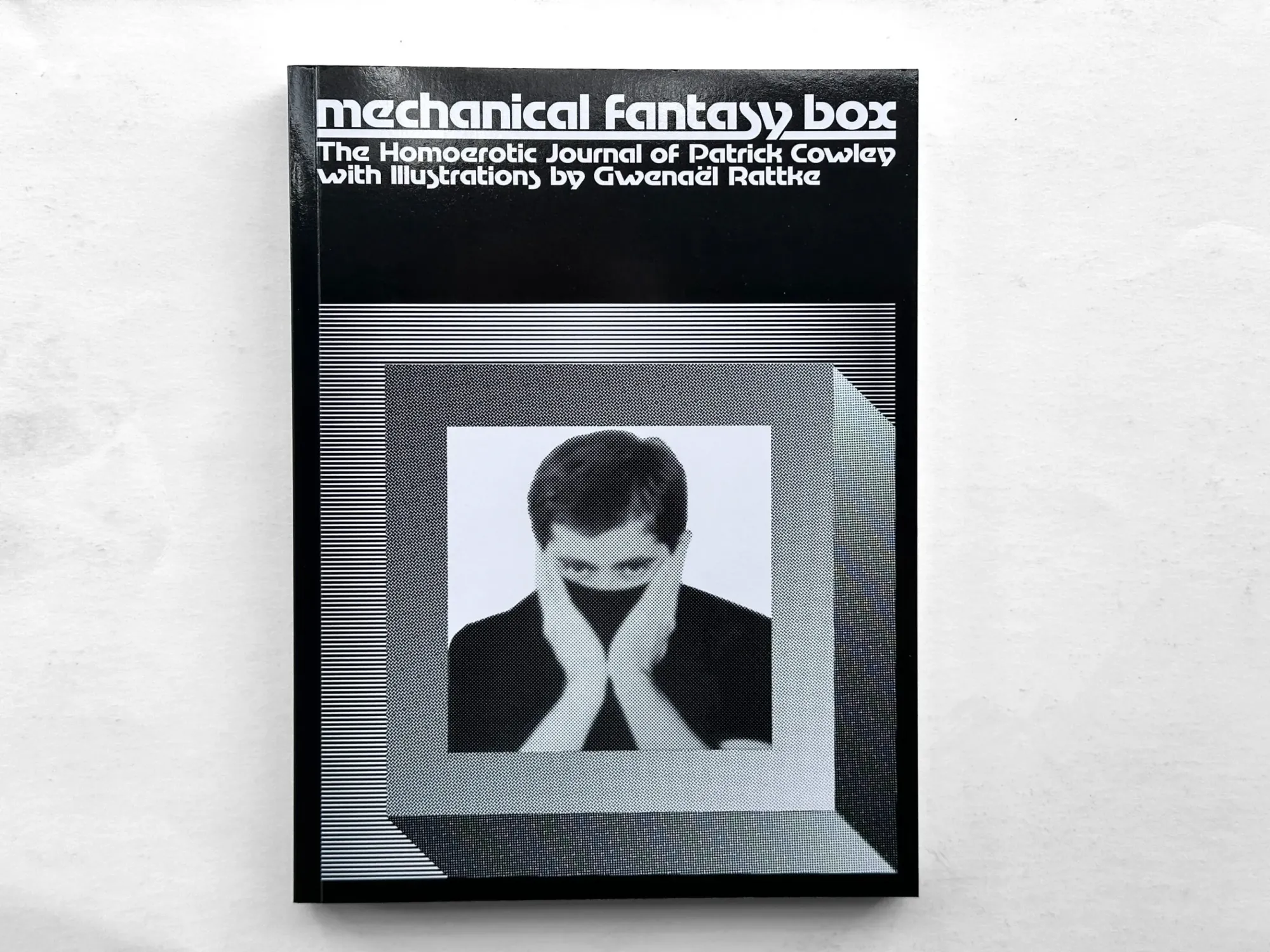
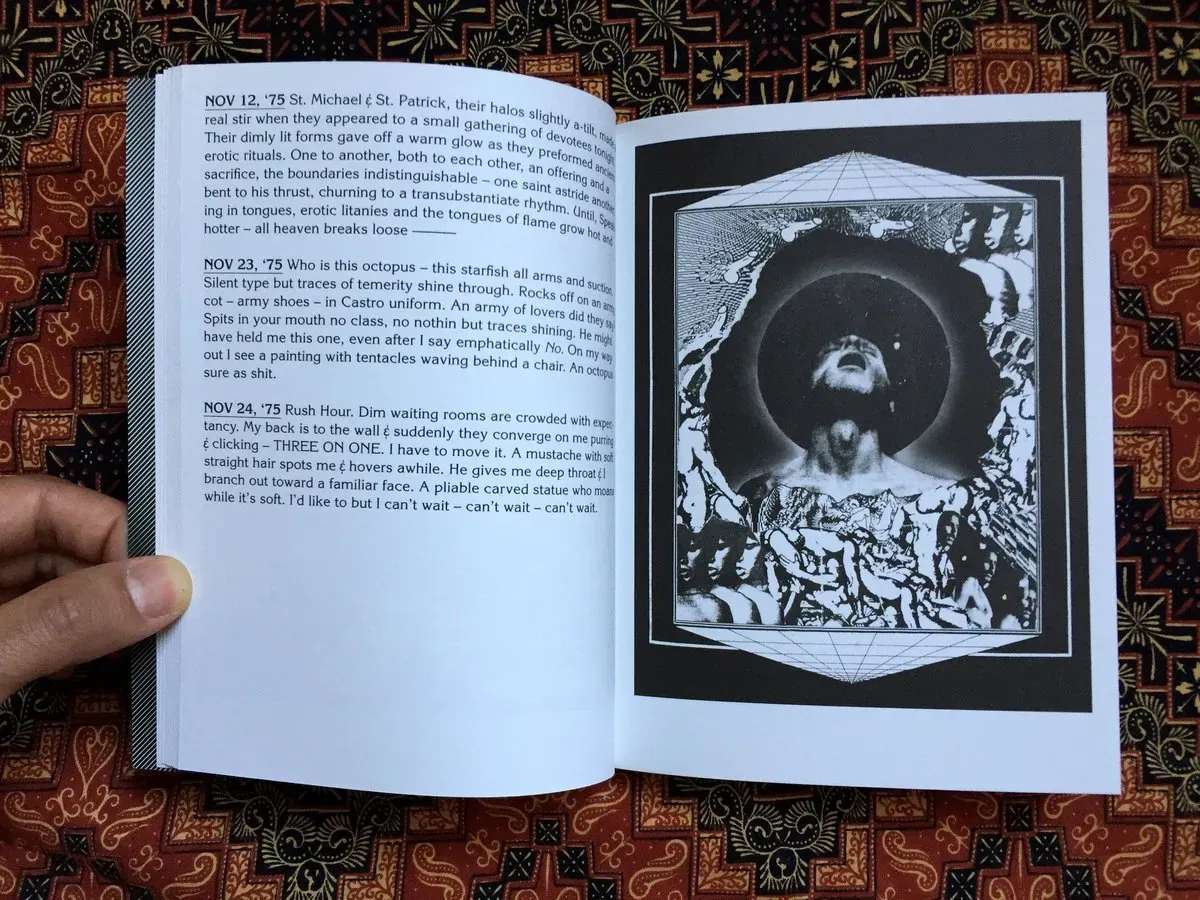
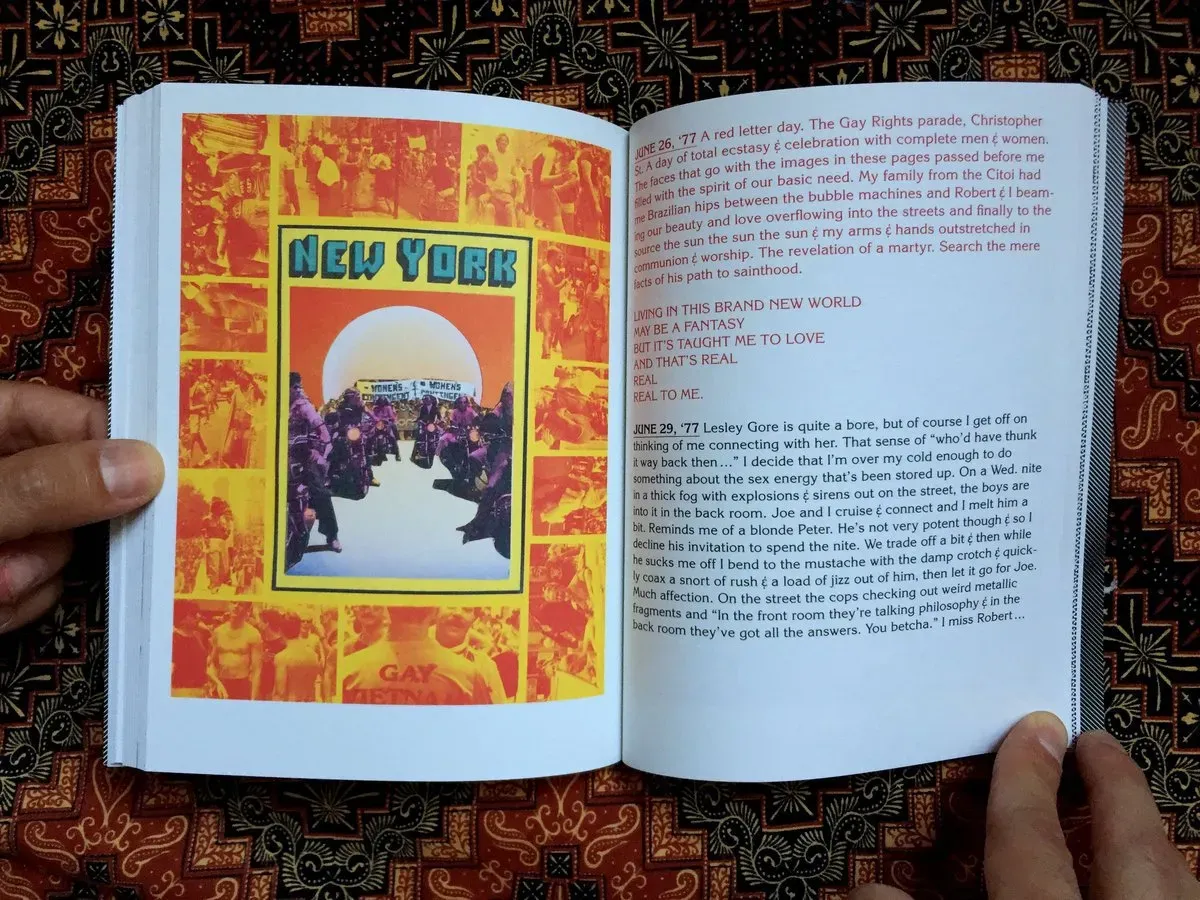
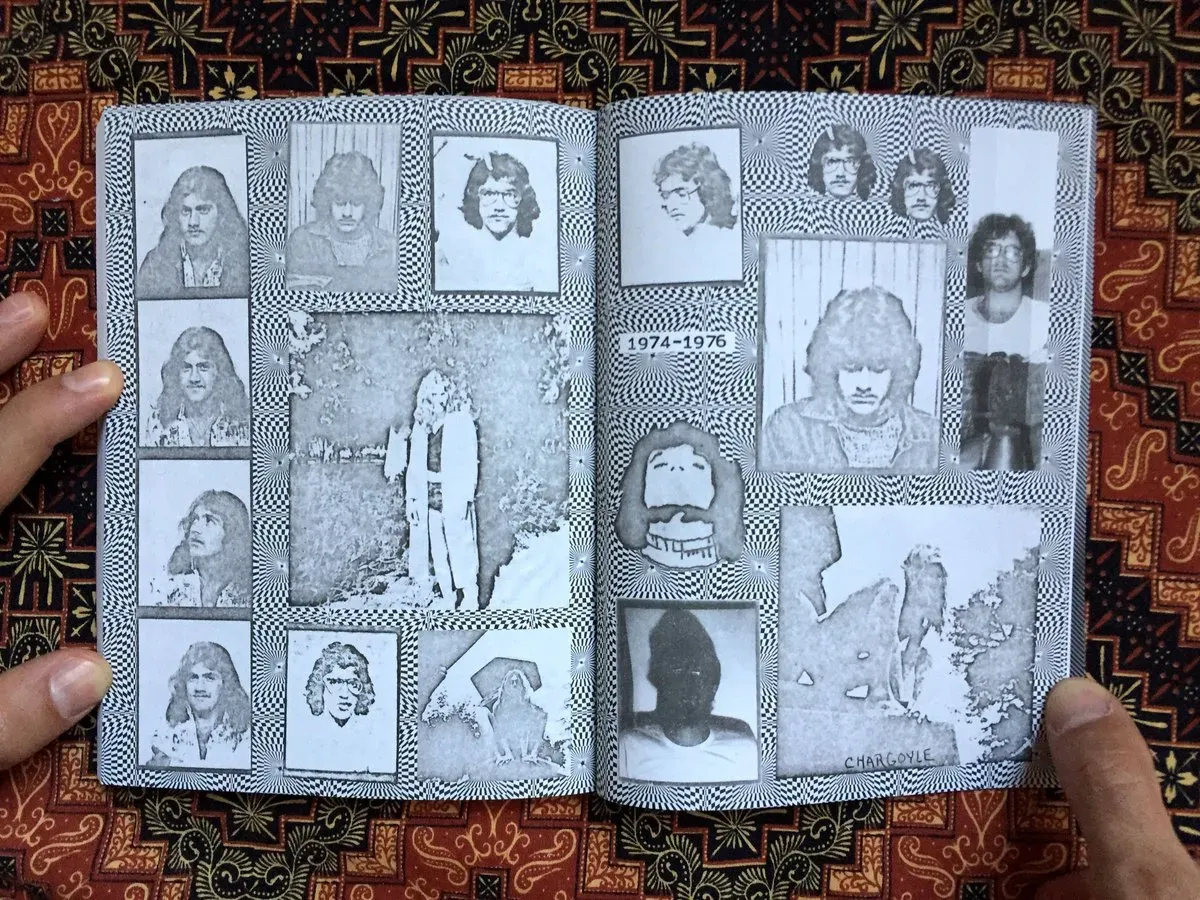
Cover and spreads of Mechanical Fantasy Box, a collection of journal entries by Patrick Cowley that had never been previously published before. This was the first book project under the Dark Entries Editions imprint.
“Books are so much work,” Josh says. Editing, proofing and designing are all time-consuming. But, despite his limited capacity (given that he’s running the record label and shop full-time), several titles will be published by Dark Entries Editions later this year. This includes a photo book featuring previously unpublished images from the 1990s of New York’s Christopher Street Pier, and books by local gay Bay Area artists.
Visit Dark Entries at 910 Larkin Street in San Francisco or online. (Tell Josh you read this!) Read our Q&A with historian Brendan McHugh about its latest publication, The Butch Manual, here.