the centre cannot hold
(Yet somehow Joburg's does.)
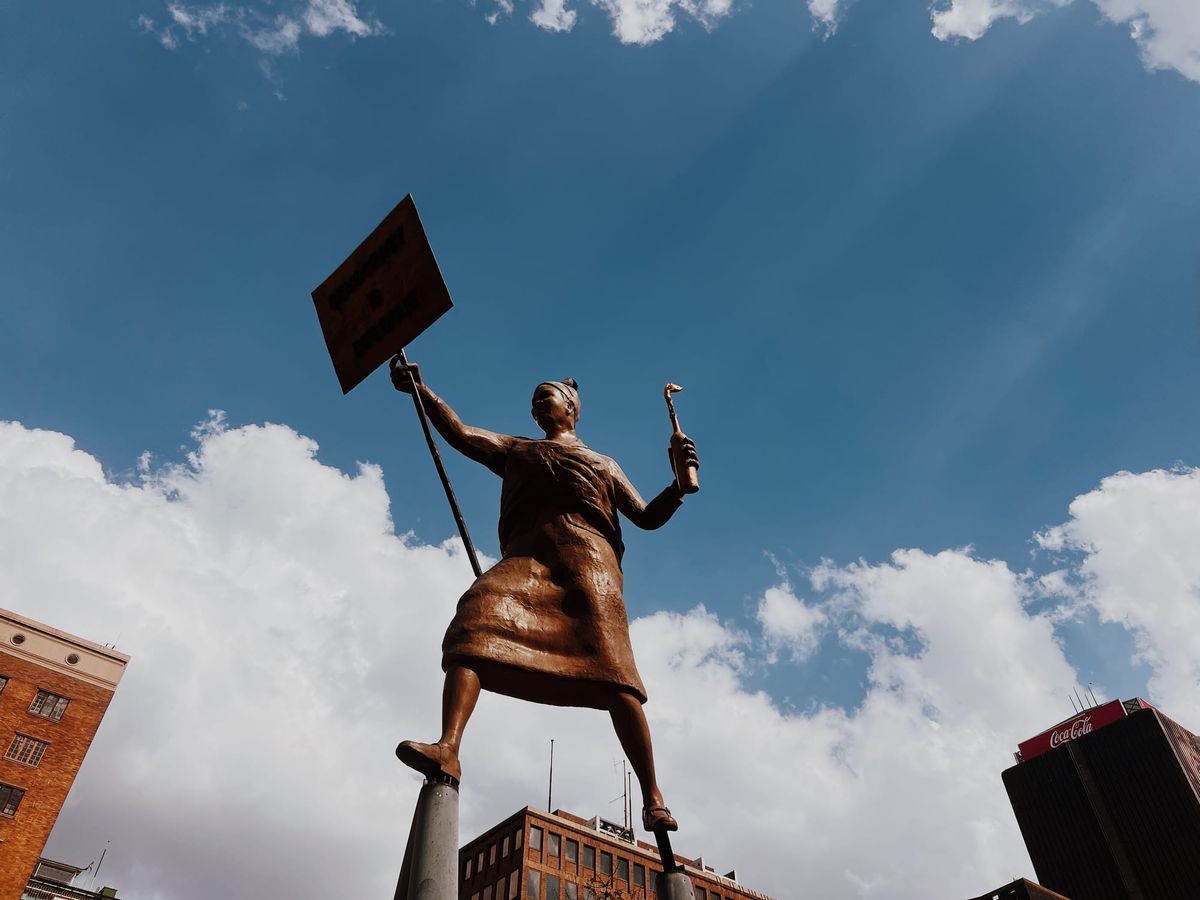
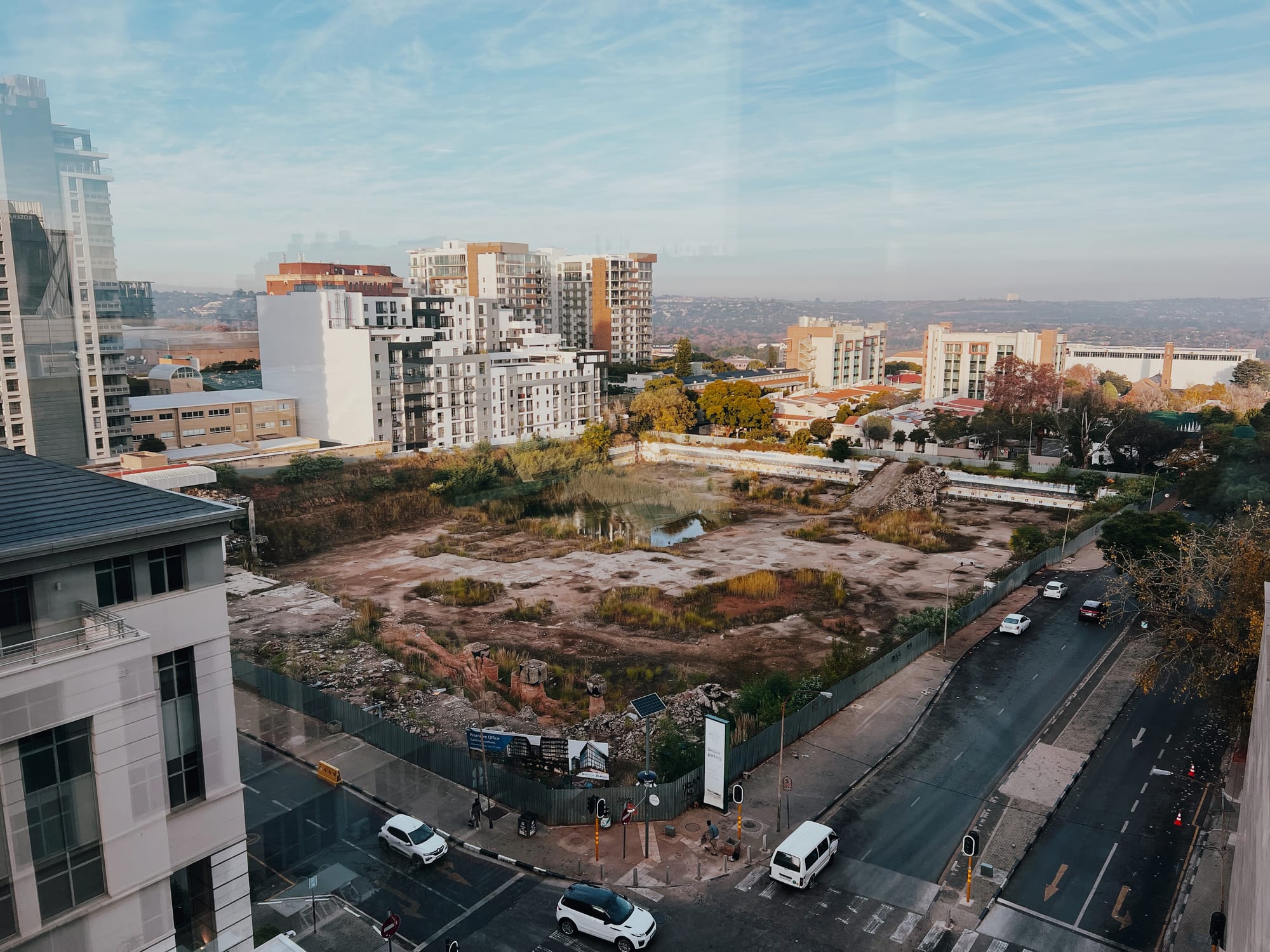
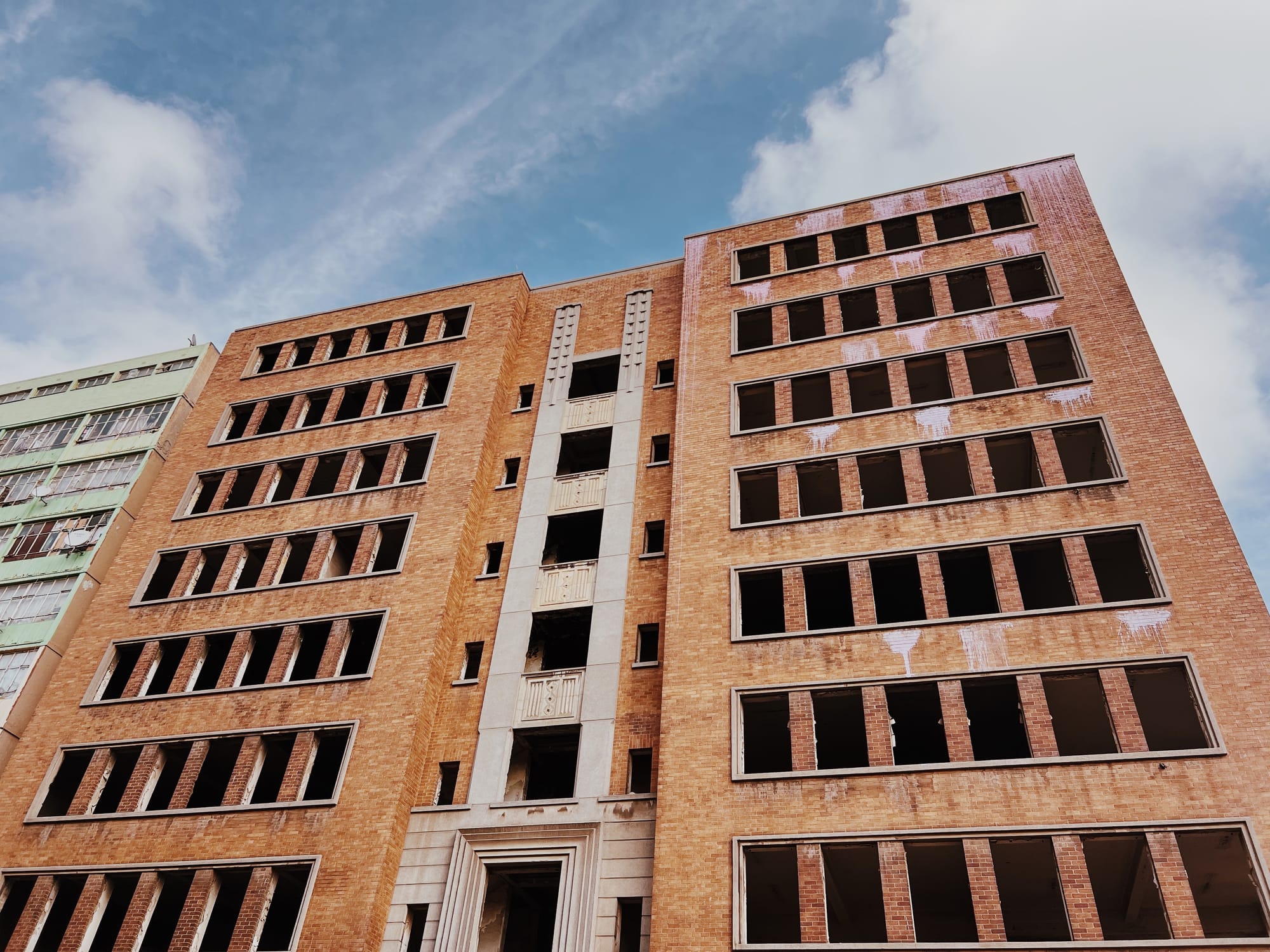
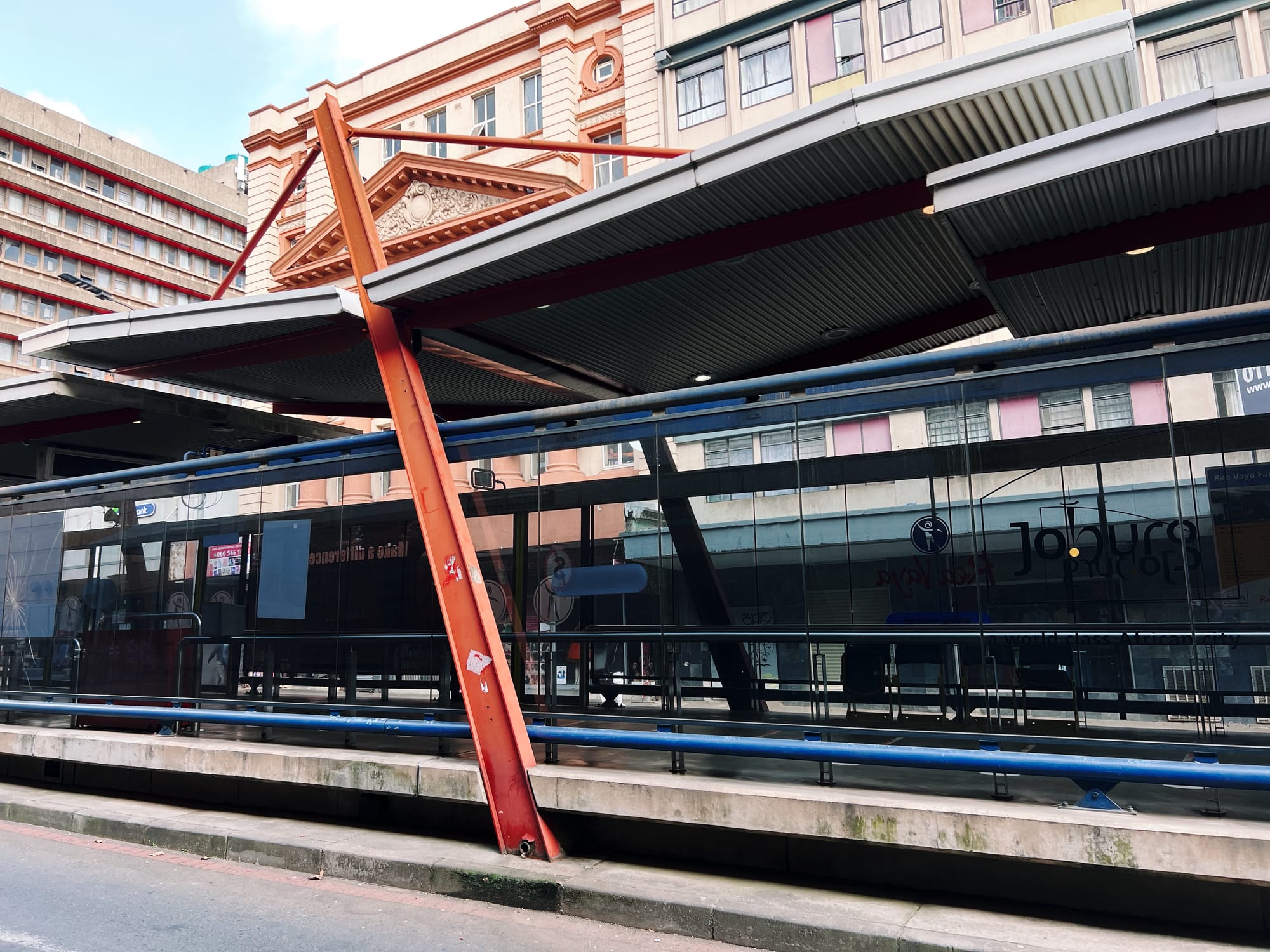
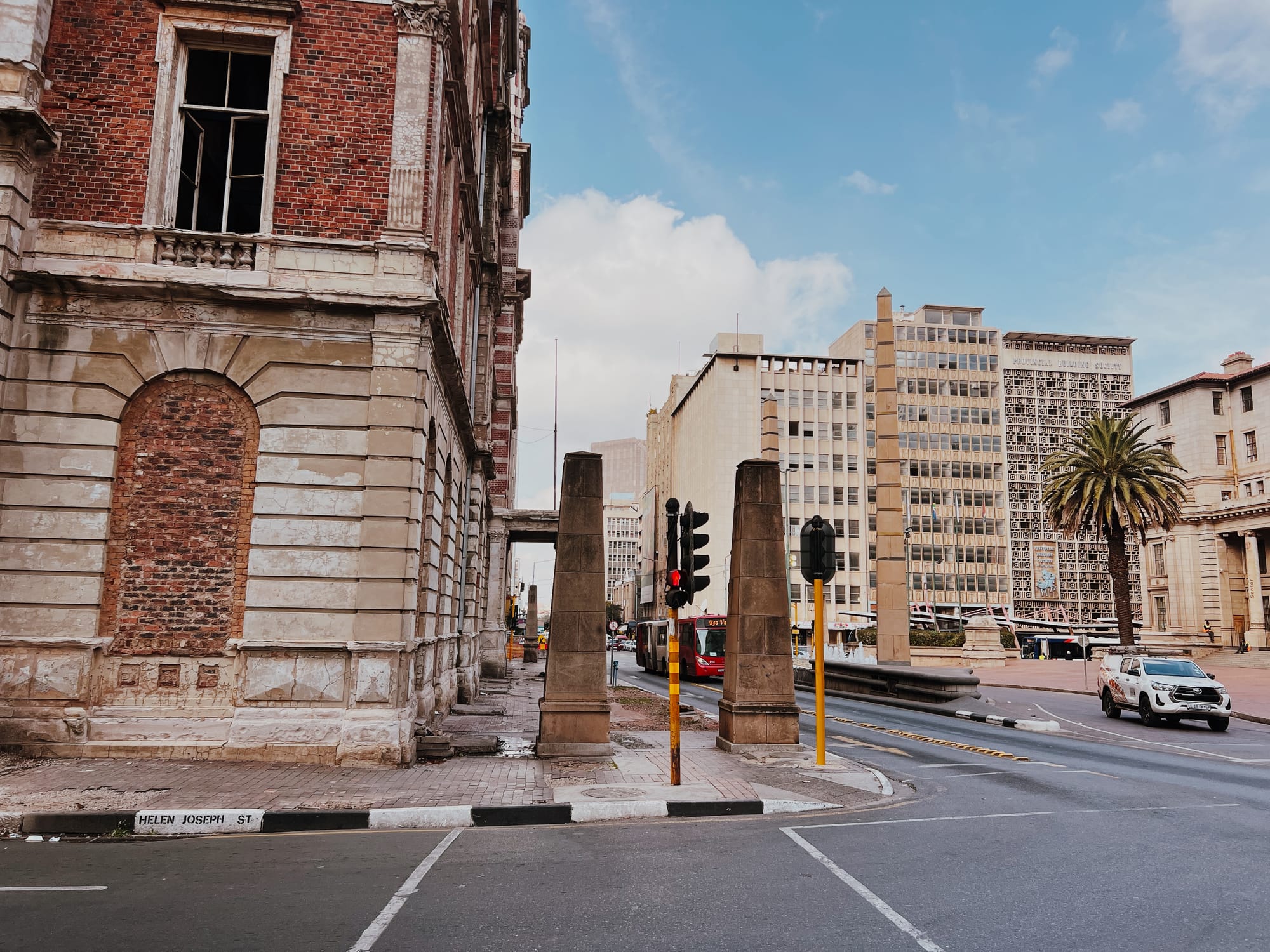
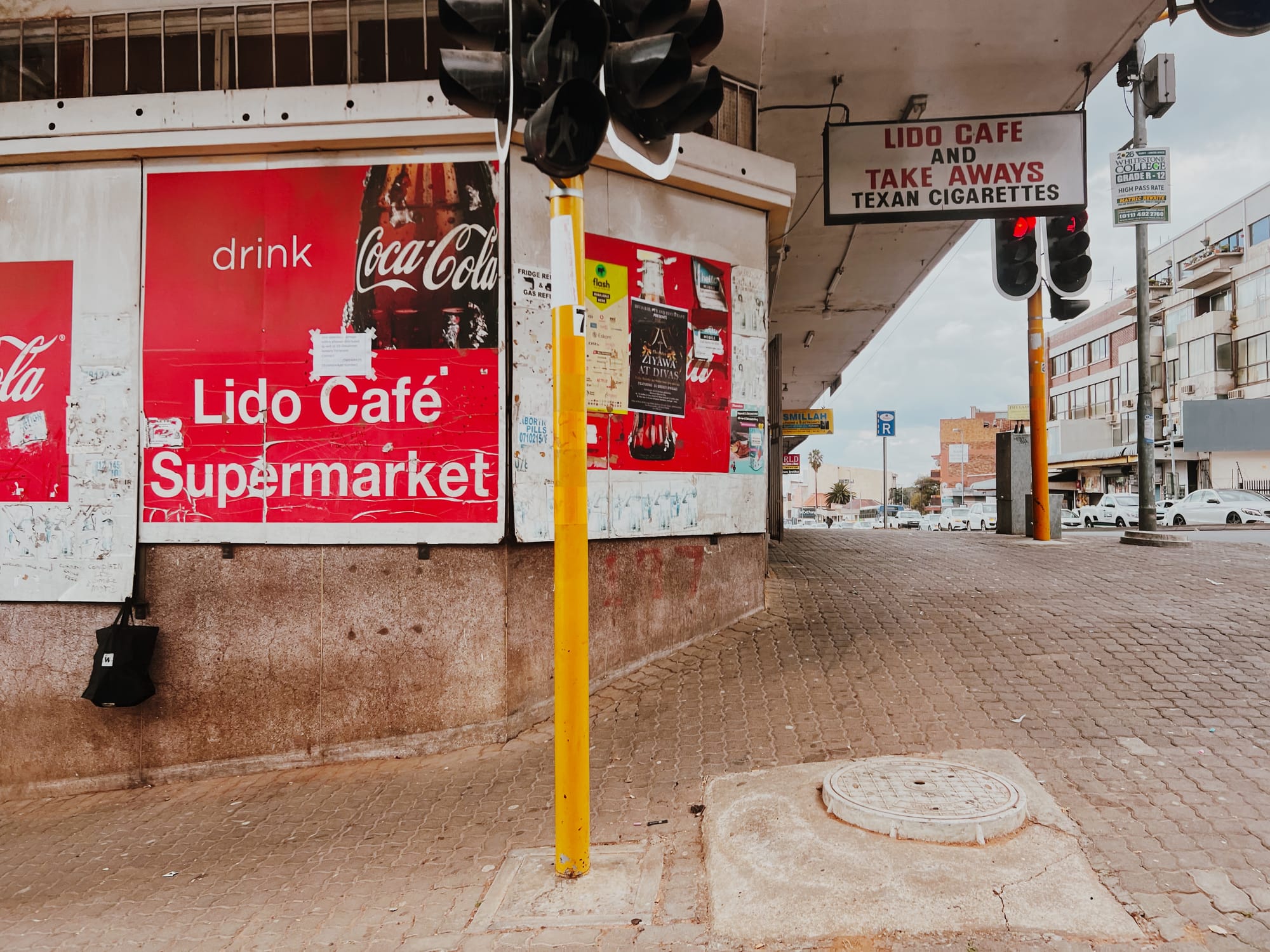
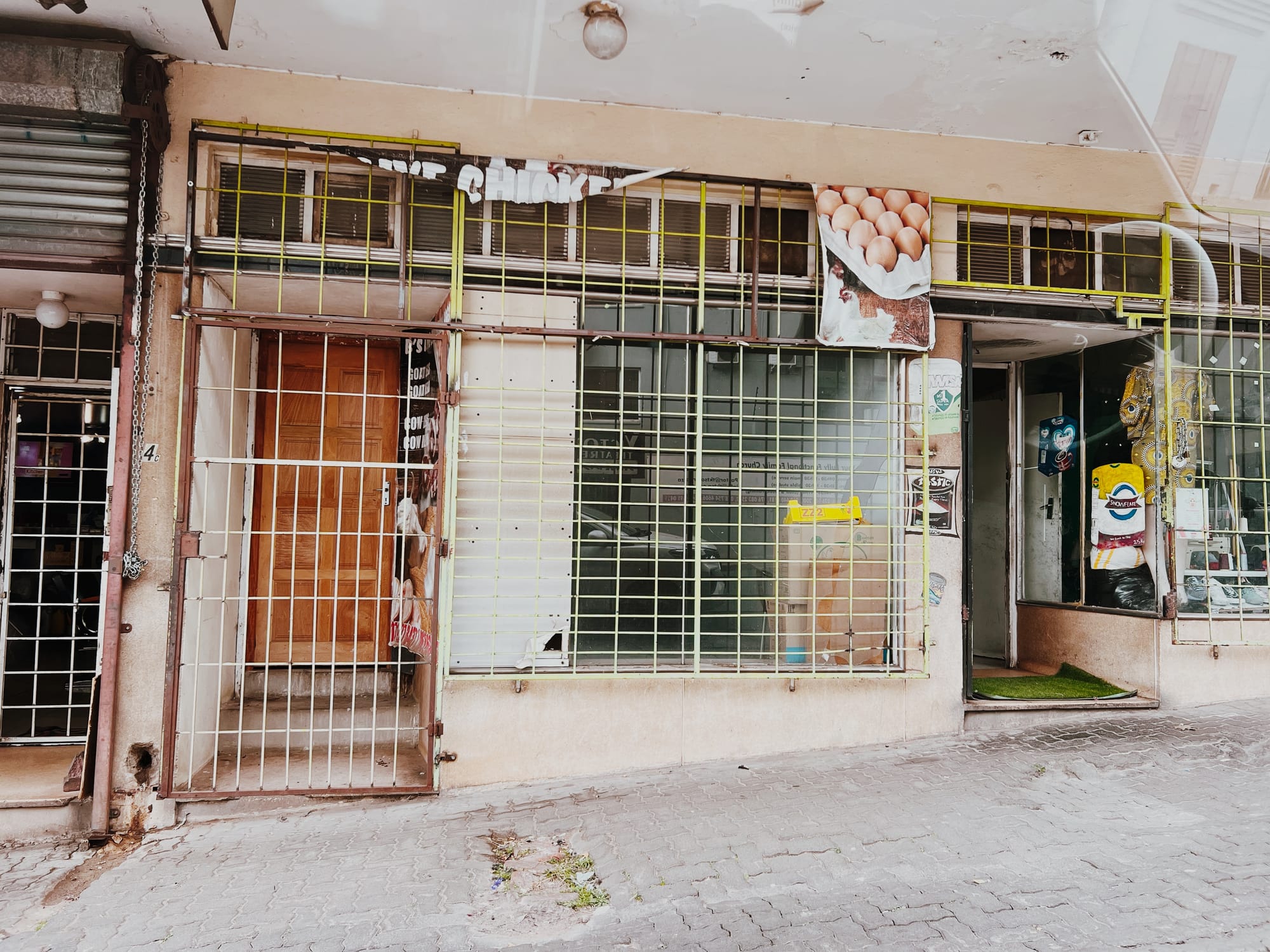
Ah benighted, bustling Johannesburg! I am back in this sprawling flailing economic juggernaut for the first time in a year, two, does it even matter? And it appears to be pretty much like it is last time: equal parts hustle, resilience, dysfunction and decay. For much of the city, a sea of rooftop solar has consigned daily (twice daily?) power outages to the dustbin of recent troubles. That said, crumbling, temperamental infrastructure still frequently puts some areas in the literal dark. Victoria Yards, the precinct where PULP Paperworks (who printed and hand-bound the Artist Edition and Pocket Hardback of my novel, The President) is based, has been particularly affected, with stretches of no power lasting for several days at a time.
Then there's the water.
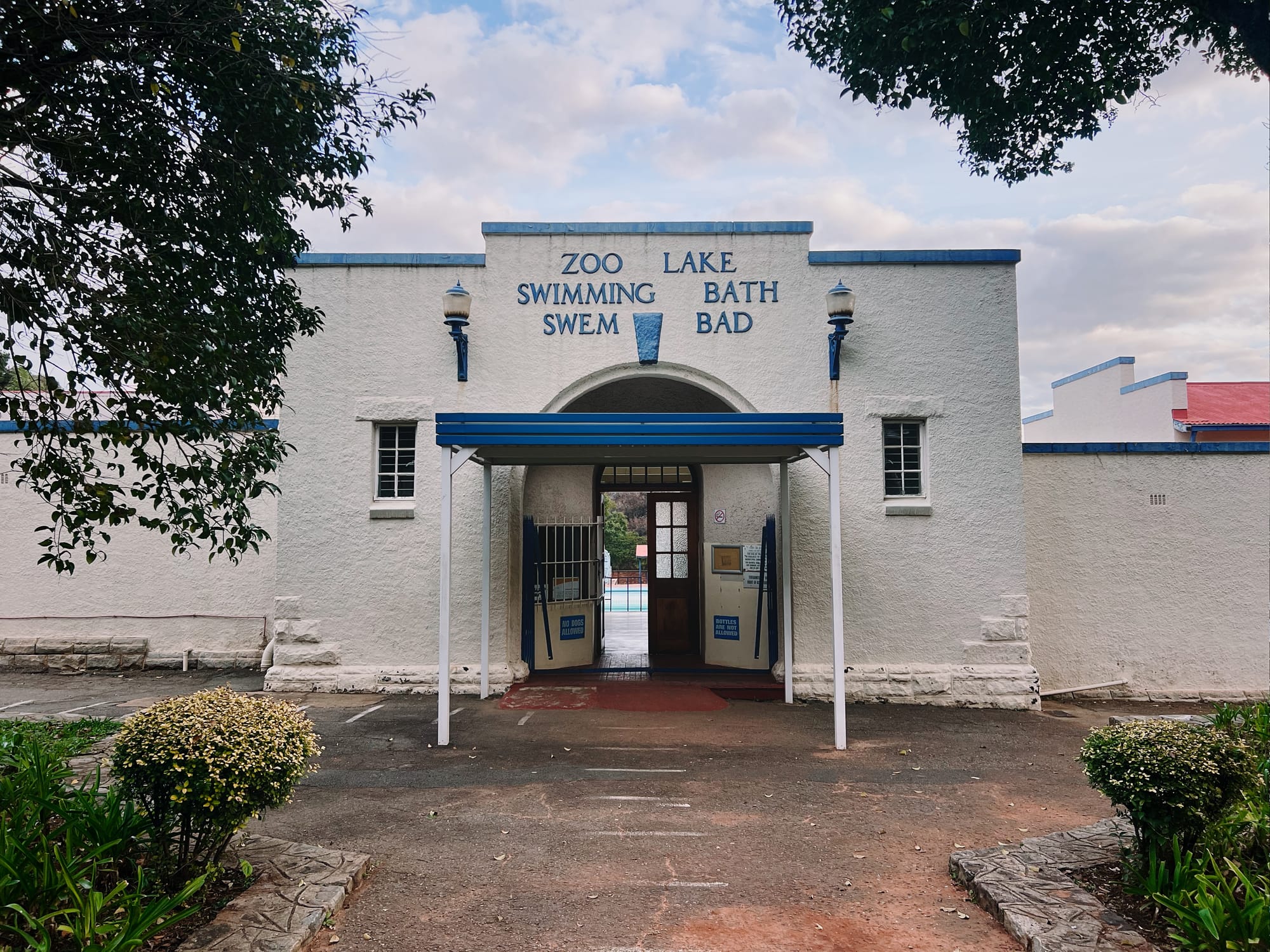
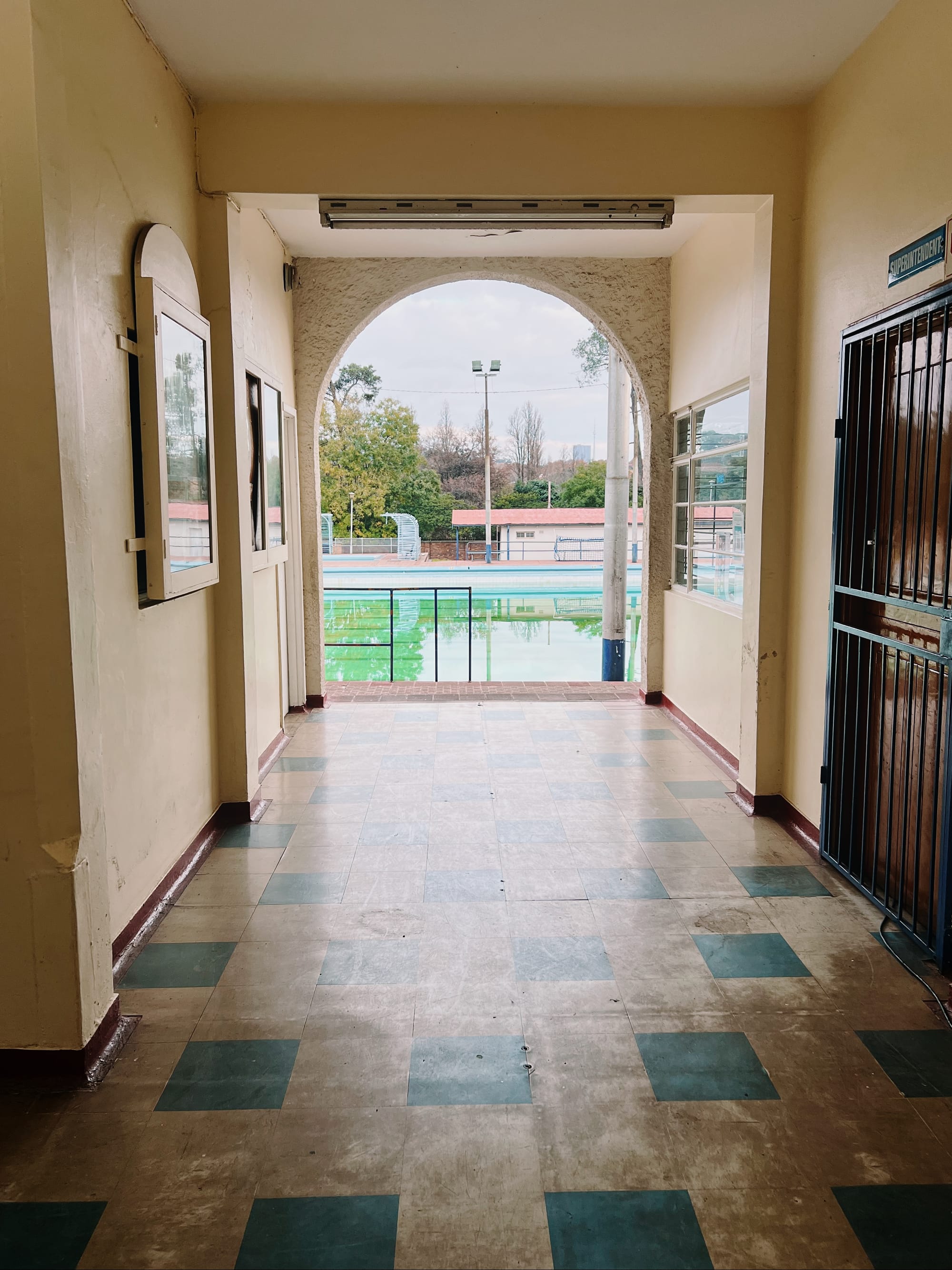
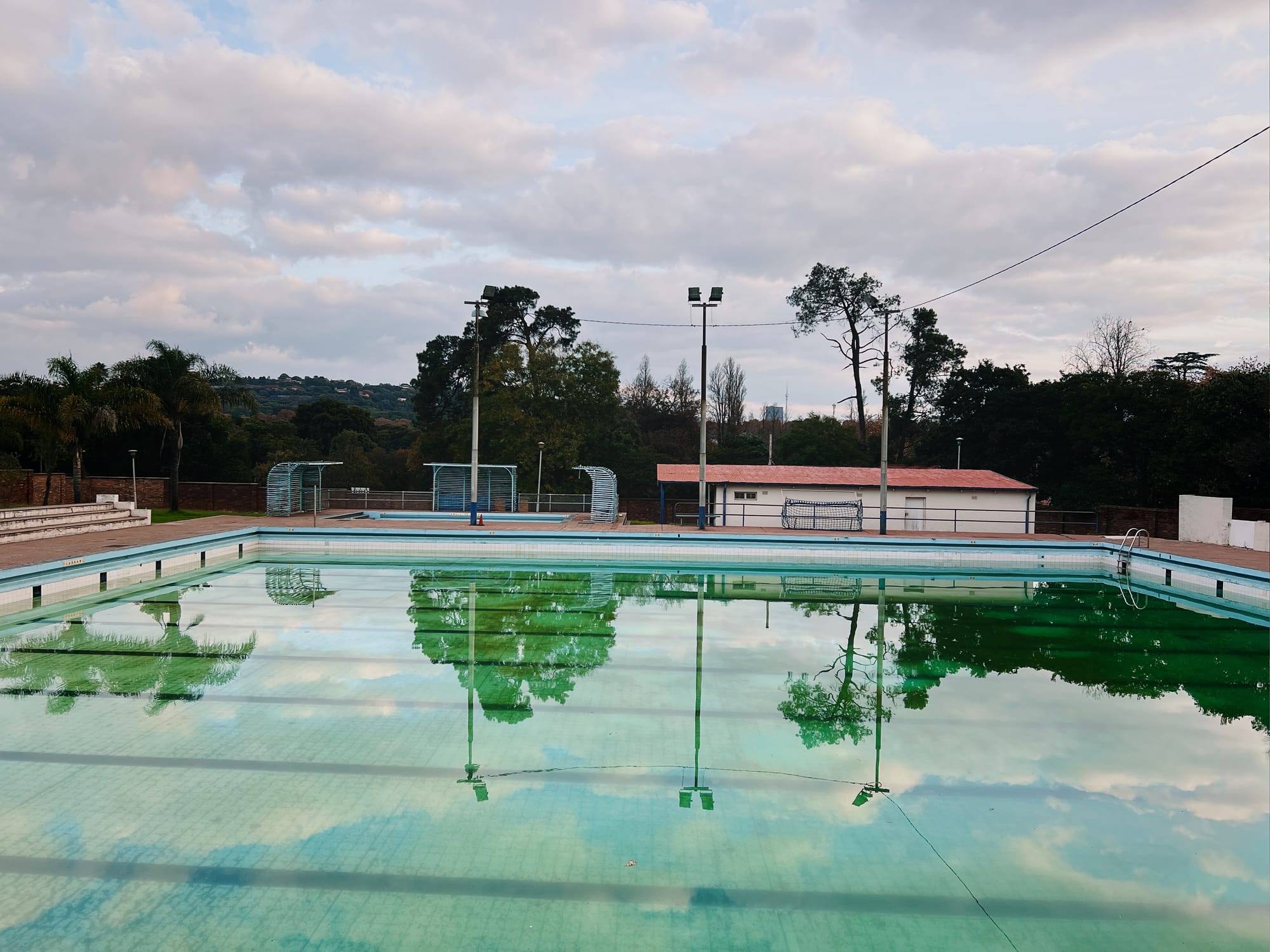
On Thursday in the inner-city, I noticed streets wet from burst pipes. There are pipes that get burst and then repaired and then burst again, and the cycle continues. Then there are entire neighbourhoods that go for days and days with no water ("water-shedding"). Even swish suburban Rosebank was without it for a week, apparently.
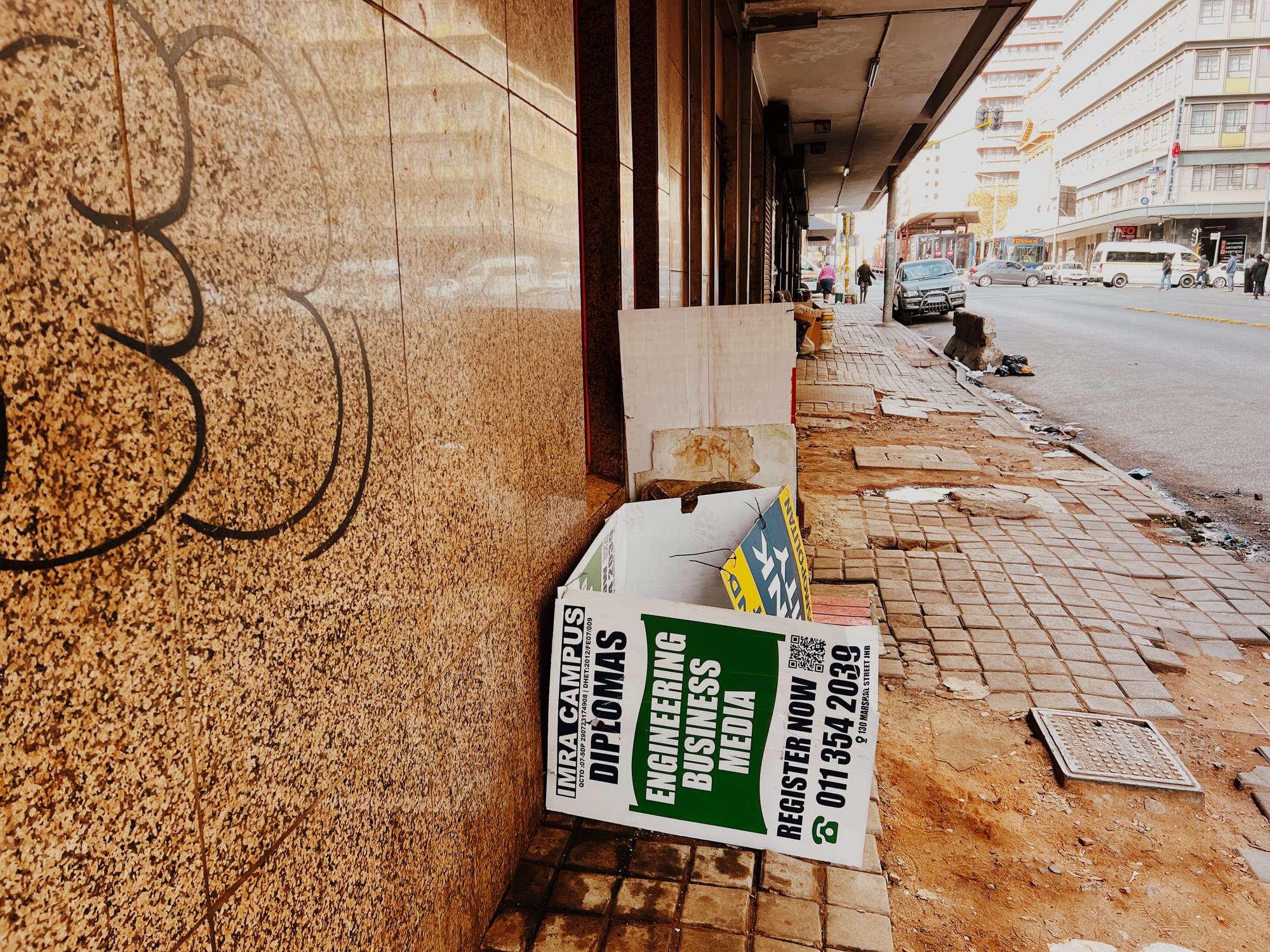
Johannesburg is nicknamed the City of Gold.
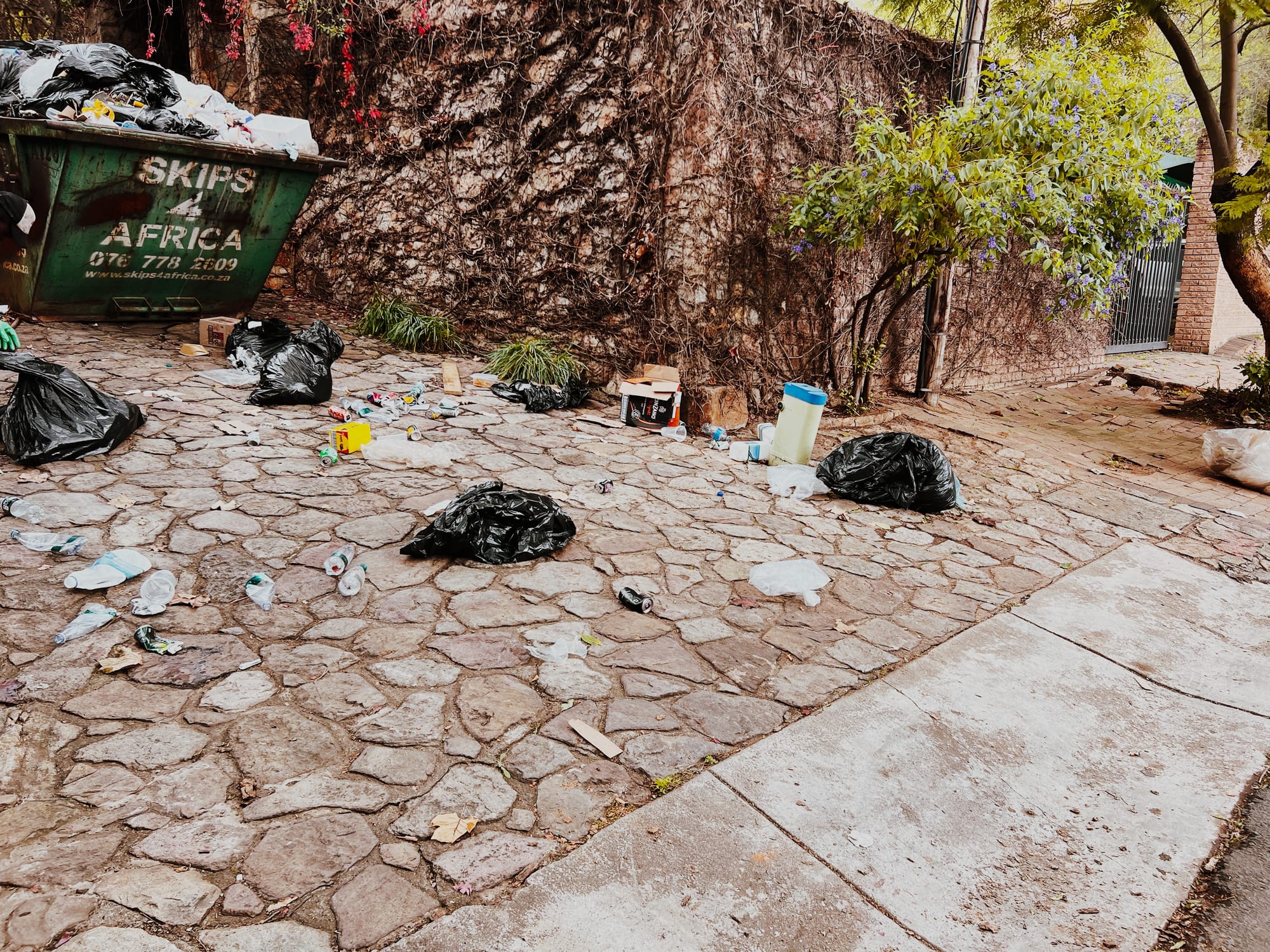
A city of gold extracted, gold stolen, gold spent, gold squandered, gold gone, and gold still here. I have been thinking back to Gabrielle Hecht's term "residual governance" (subject of the academic's richly absorbing book of the same title), – a term with multiple meanings. When I think of "residual governance", I think of the residual competence (in running a city) that seems to shrink with each passing year, loudly trumpeted turnaround plans notwithstanding. The residues of a humbled, exhausted, once-mighty liberation party, its finest and most promising members dead or retired, and its incompetent, rent-seeking residues presiding over an evermore precarious, ever-less functioning city administration. I think of waste. The exhaust fumes belched out from uncountable cars and smokestacks, the trash discarded in toxic rivers. The waste un- or haphazardly collected formally, and the waste collected by informal waste pickers – for whom the discarded residues of middle class life offer a means of survival in a city where meal tickets are too few and far between. I think of dust –mine waste whipped up by the wind, those residues of wealth (or the extraction thereof). The water wasted! The masses of Lesotho's crystal-pure mountain water going down the literal drain. The wasted talent and opportunities trickling away as more and more folks have resignedly left. There is still so much money here, so much business, and yet there is a residual feel to all that too; this is a city of remnants – not growing, not thriving, but struggling to keep it together as so much falls apart.