Veld fires and sunburnt Germans
Cape Town needs all the water pistols it can get.
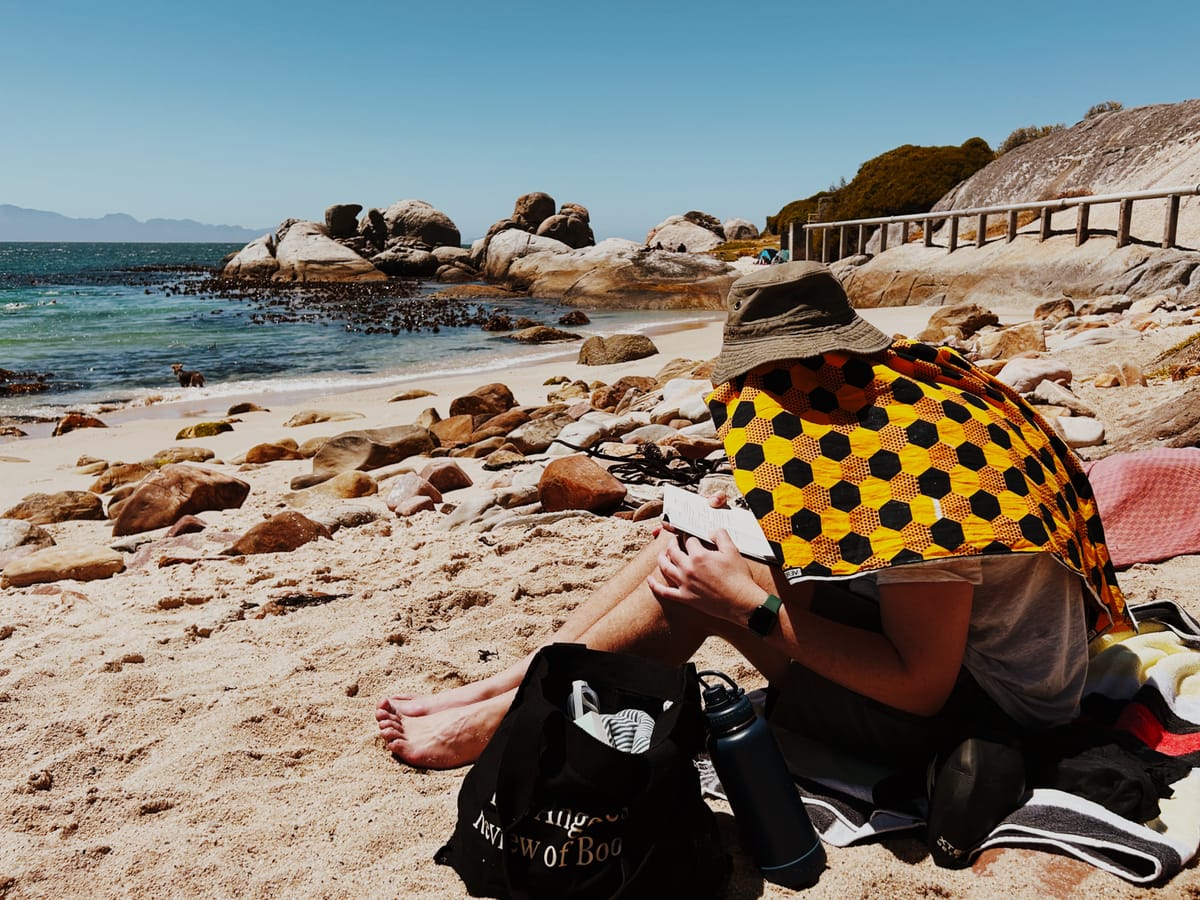
Time sneaks up on you. You wake up one day and somehow it's already March (2026!!). You're back living at your mom's in the suburbs, enrolled in a master's at the university you spurned as an 18-year-old. You're a democratic eco-socialist and anti-monarchist (a far, leftwardly lurching cry from the prissy milquetoast liberalism you once swaddled yourself in, smug and snug as a security blanket). The fully-stocked drinks cabinet doesn't tempt you – not like those last remaining little boxes of Smarties candy in the bottom drawer do. "Date night" these days is a double scoop on waffle at The Creamery, and queer Narcotics Anonymous at the Scout Hall the very definition of a Tuesday evening well spent. You're cycling again – like you did as a teen. To classes, the gym. But it's not your bike: you're borrowing your late dad's. And, of course, you are the one now doing the braaiing.
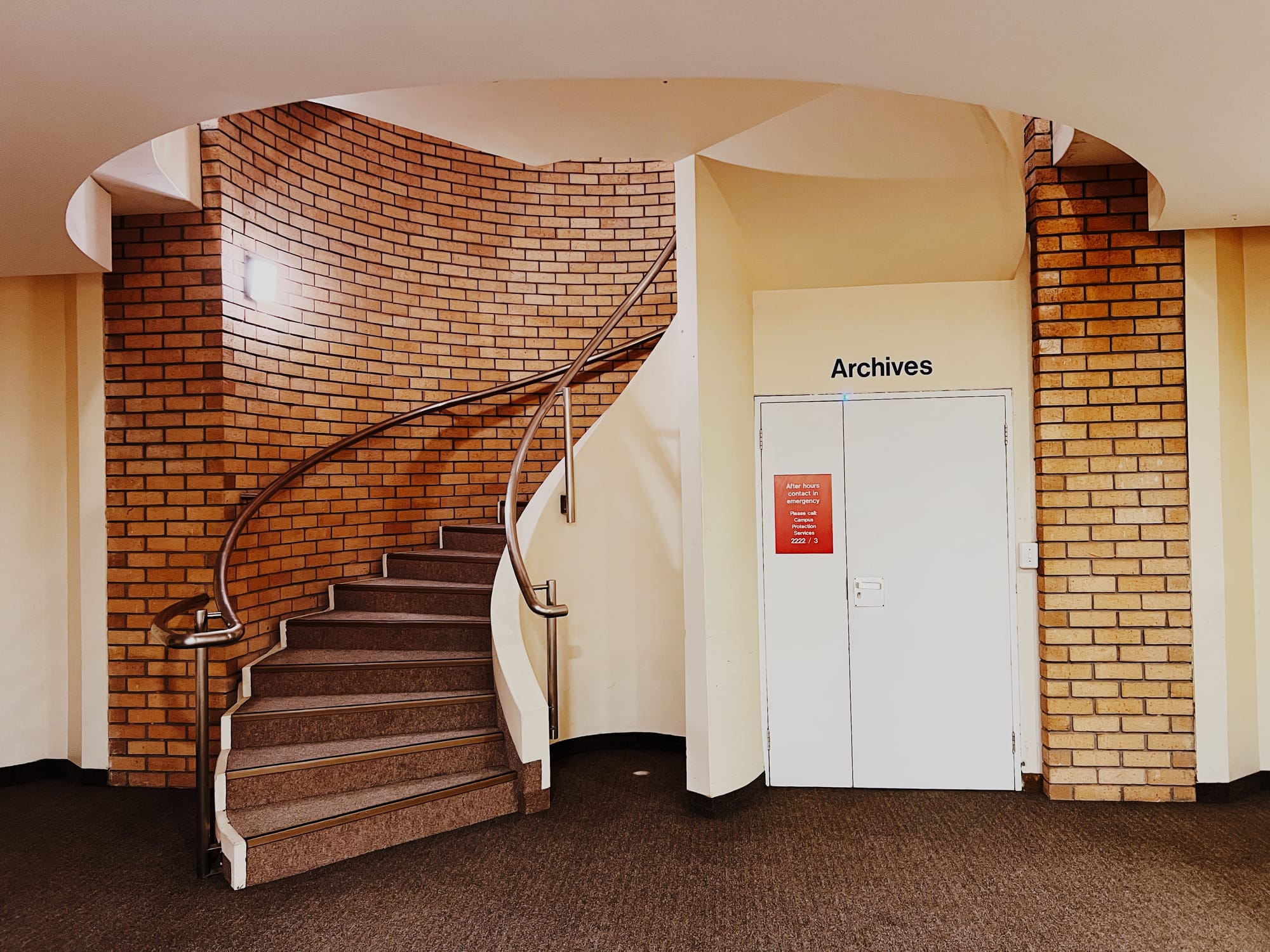
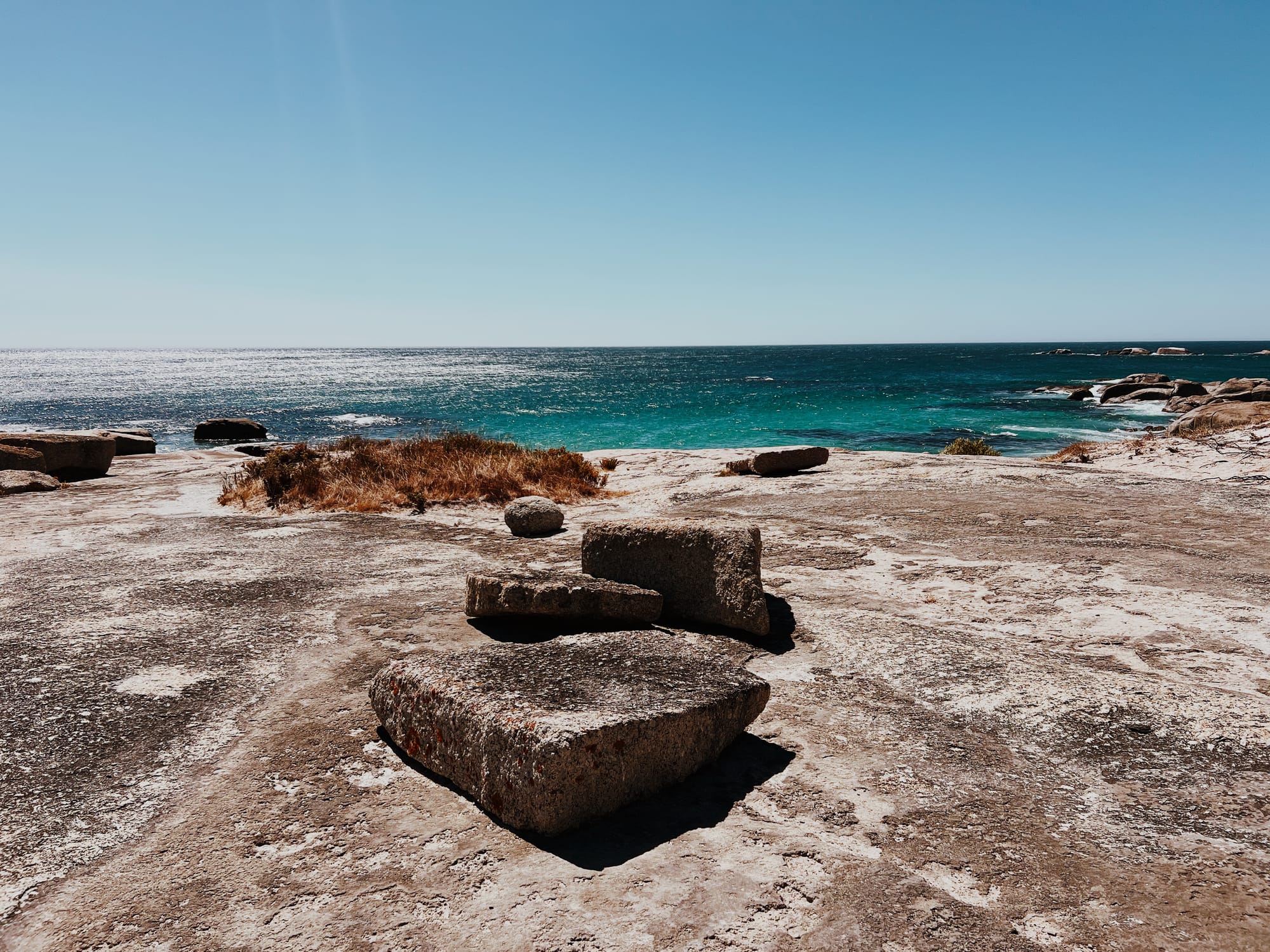
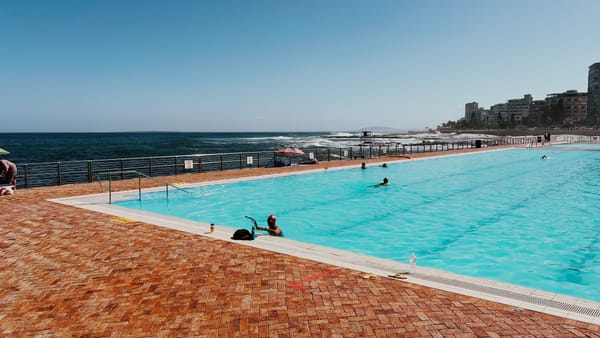
Staggeringly beautiful as ever, Cape Town has lately been afflicted by:
- a constellation of wildfires sparking up at its edges (très California!)
- mullet-ish haircuts that looked like they were designed by a 70s obsessed 9-year-old using Microsoft Copilot
- that late-summer tradition of doctor's-waiting-room-filling gastrointestinal bugs (thus far, I've been spared from these ~ taps counter)
- "functional" cappuccinos (which, their purportedly miraculous benefits aside, seem to be an excuse for coffee shops to charge hefty premiums for hot drinks)
- Europeans! So many! German and Dutch and other luminously scalded northern creatures clogging up indoor markets, co-working spaces, Sea Point cafes, and even the unassuming suburban branches of the bougie retailer Woolies (where, blocking fridge access, dazed blond families boisterously workshop what they want to buy for dinner in their hideous North Sea languages... and I thought Americans were loud!).
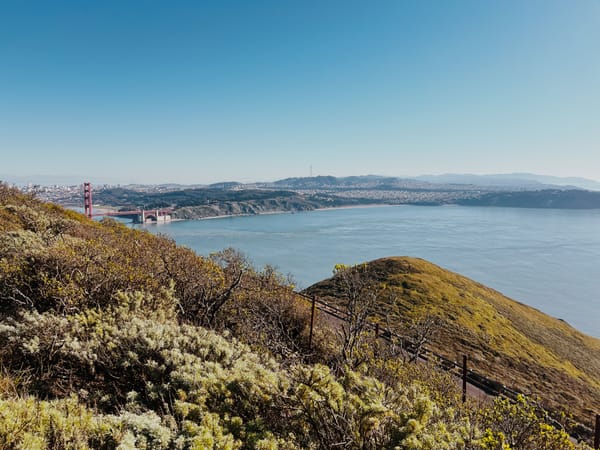
California feels far away.
She was very wet (ideal weather to read Hollinghurst's wondrous latest novel) and then, as I left her, utterly dazzling. Since our departure there has been a bunch more rain, and snow too! I hope our cats are enjoying it. They're apparently boycotting the wet food for dry; is this a sign, a message, a passive-aggressive protest?
As an aspiring publisher, it was hella exciting to chat to the San Francisco-based Josh Cheon before I fled Cali about his indy music label and publishing imprint, Dark Entries. I am really inspired by ~
- Josh's reverence for the analogue that dovetails with an emphasis on (digitally-enabled) accessibility
- his gutsy, determined, proactive DIY approach to cultural production – which is twinned with craft, rigour, care and high standards
- his abiding, knowledgable and enthusiastic love for certain niche music genres and his desire to make cultural artefacts from those genres widely available
For more on Josh's journey with Dark Entries, give our interview a read:
 Xander Beattie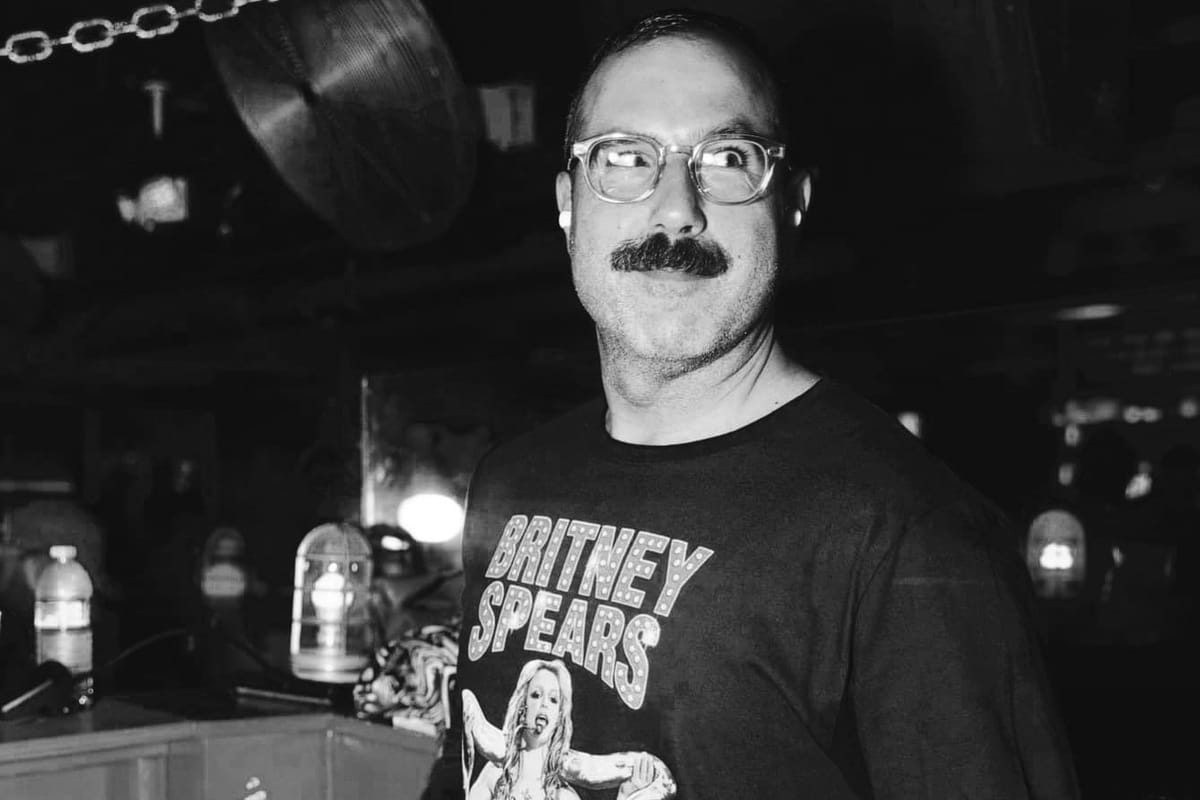
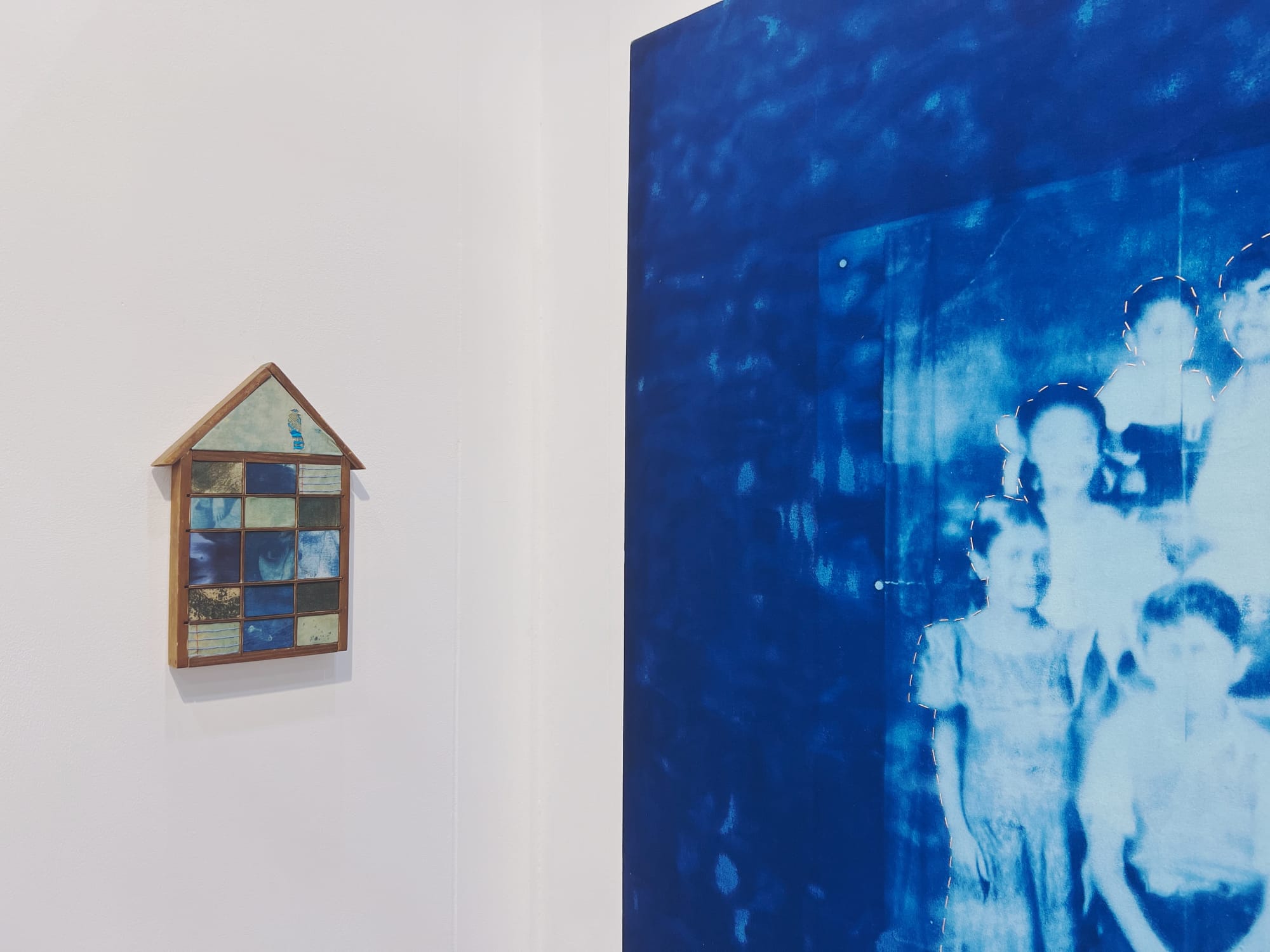
I went to the Cape Town Art Fair and fell in love with works by Alka Dass and Tom Cullberg. I went to the latest iteration of Everard Read's Cubicle, a group showcase of emerging talents (particular favourites: Kamva Matuis's haunting paintings and the incandescent pieces by the mountain-loving Leah “Lux” Mascher).
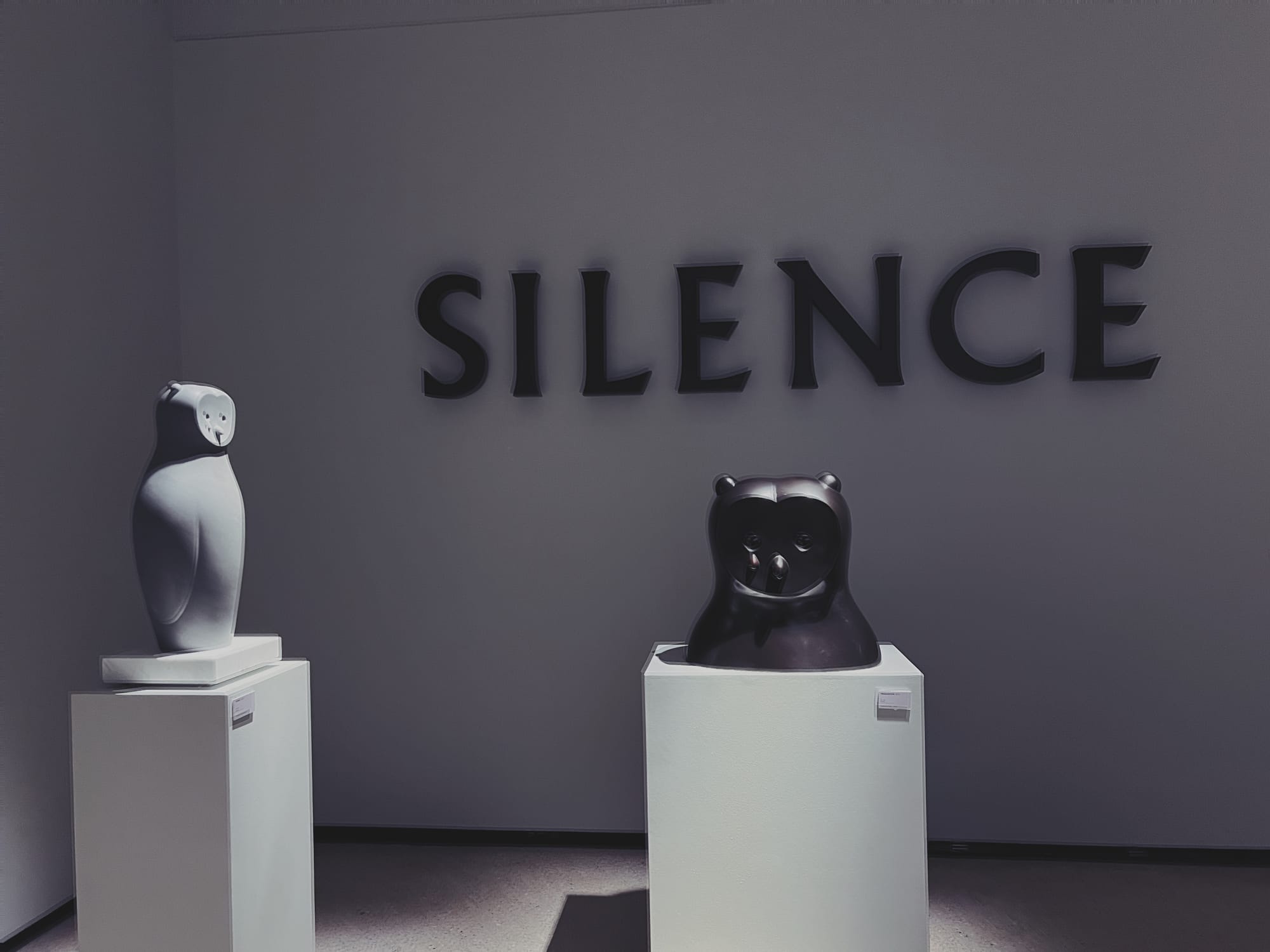
And I made a pilgrimage to Brett Murray's muscular retrospective at the Norval Foundation, which showcases sculptures he's created from the mid-1980s to the present day – an array of work both intensely pleasing to view, and also powerfully encapsulating the turbulent politics of South Africa in recent decades. (It would perhaps be remiss of me to not mention that the limited artist edition of my little novel, The President comes with a fine art print by Brett! There are some copies are still available for purchase from Pulp Paperworks in South Africa; proceeds go to the Pride Shelter.)
As with certain other indulgences, when it comes to news, moderation has proven difficult; I've had a lot more success with going cold turkey. I've been finding that a diet of almost zero news (and newsletters) leaves me more easily able to concentrate on other things. There's more time, too, and head space for books – both the ones I'm reading, and the one I'm writing. Speaking of which: in recent weeks, novel revision has been a bit like eking out the last bit of toothpaste from the tube. Finicky, slow, meagre. Though also, I think, getting close(ish?!) to completion.
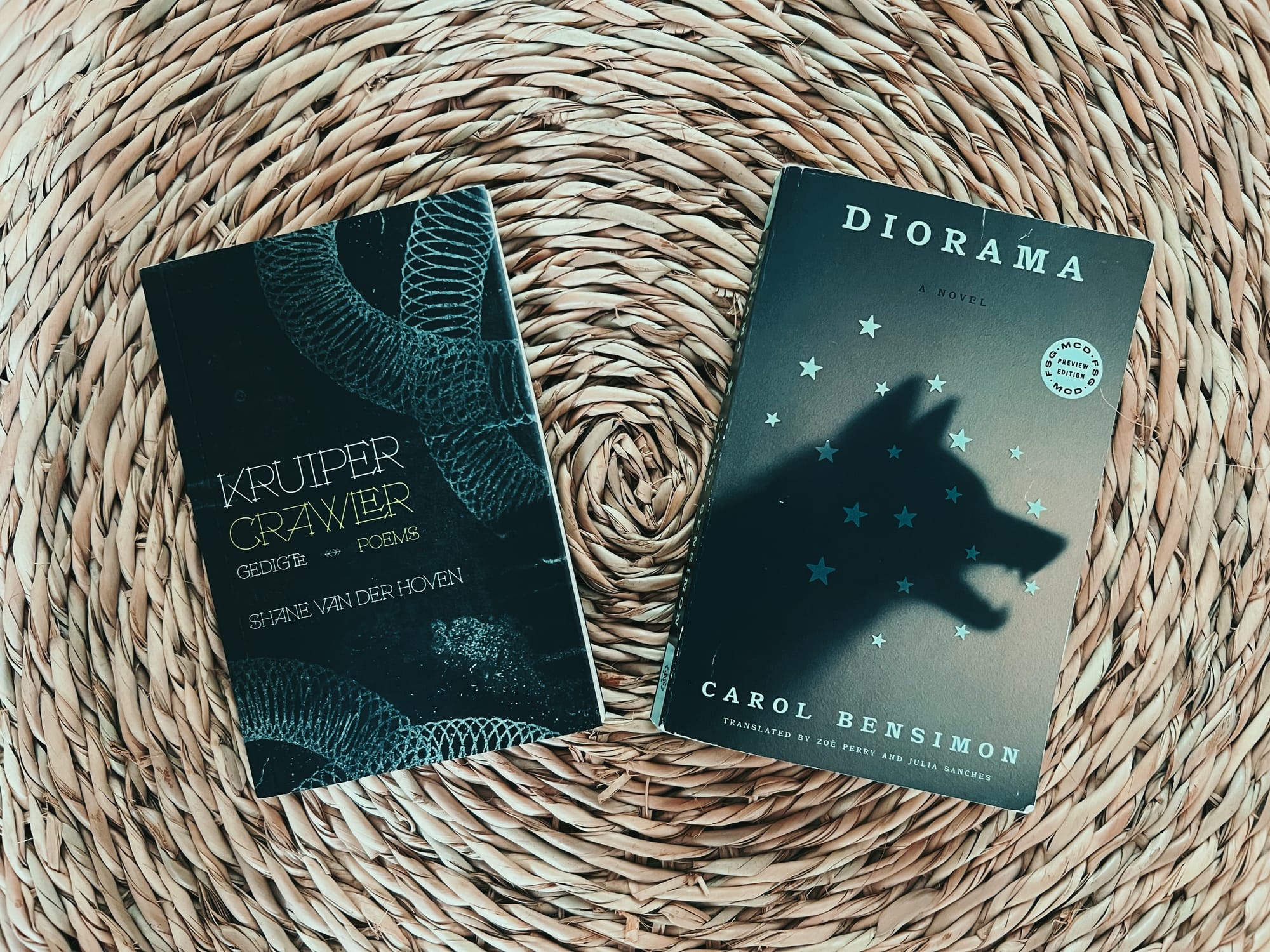
Shane van der Hoven's bilingual collection of poems, Kruiper-Crawler, is difficult but rewarding; by turns spiky, stubborn, svelte. (My Afrikaans vocab has, it turns out, become like newspaper left out in the rain; I've started reading Die Burger in an attempt to invigorate it.)
Also short, difficult (and possibly rewarding, though I'm too close to it to know) was Clarice Lispector's novella, The Hour of the Star. I admired its singular, sensual defiance but couldn't say I enjoyed it. Also Brazilian – but, by contrast, hugely enjoyable – has been Diorama, Carol Bensimon's new novel (out in the UK 3rd March and in the US 26 March). I was super bummed to get to the end of it; I would love to have continued spending time with its complicated, intriguing, compromised characters (perhaps you'll consider doing a sequel someday, Carol?!). With a taut, spiralling plot that takes you from the near-present West Coast USA to late 1980s newly-democratised southern Brazil and back again, the novel masterfully depicts the collision of the political and the personal – and the way prejudice permeates both. [For an additional serving of unsettling, spellbinding Brazilian fare, watch Aquarius, the 2016 drama by directed by Kleber Mendonça Filho (of The Secret Agent fame).]
I LOVED Alexis Madrigal's nonfiction book The Pacific Circuit, which zooms in the Bay Area, and – in particular – West Oakland to tell a story of globalised neoliberal capitalism, spatial racism, determinedly feisty activism and the way changing economic and political tides can transform a neighbourhood for better and for worse. Seemingly disparate strands and themes are held together with gentle curiosity and piercing intelligence. A lot of these themes were exquisitely echoed in the documentary Mother City which charts the efforts by Reclaim the City's activists to fight for affordable inner-city housing and to redress spatial apartheid in Cape Town. The stubborn persistence of racism, injustice, inequality are depicted (in California and Cape Town respectively) with such thoughtfulness and heart in these two works; I think both contain seeds of inspiration as to how we can meaningfully transcend them no matter where we live.
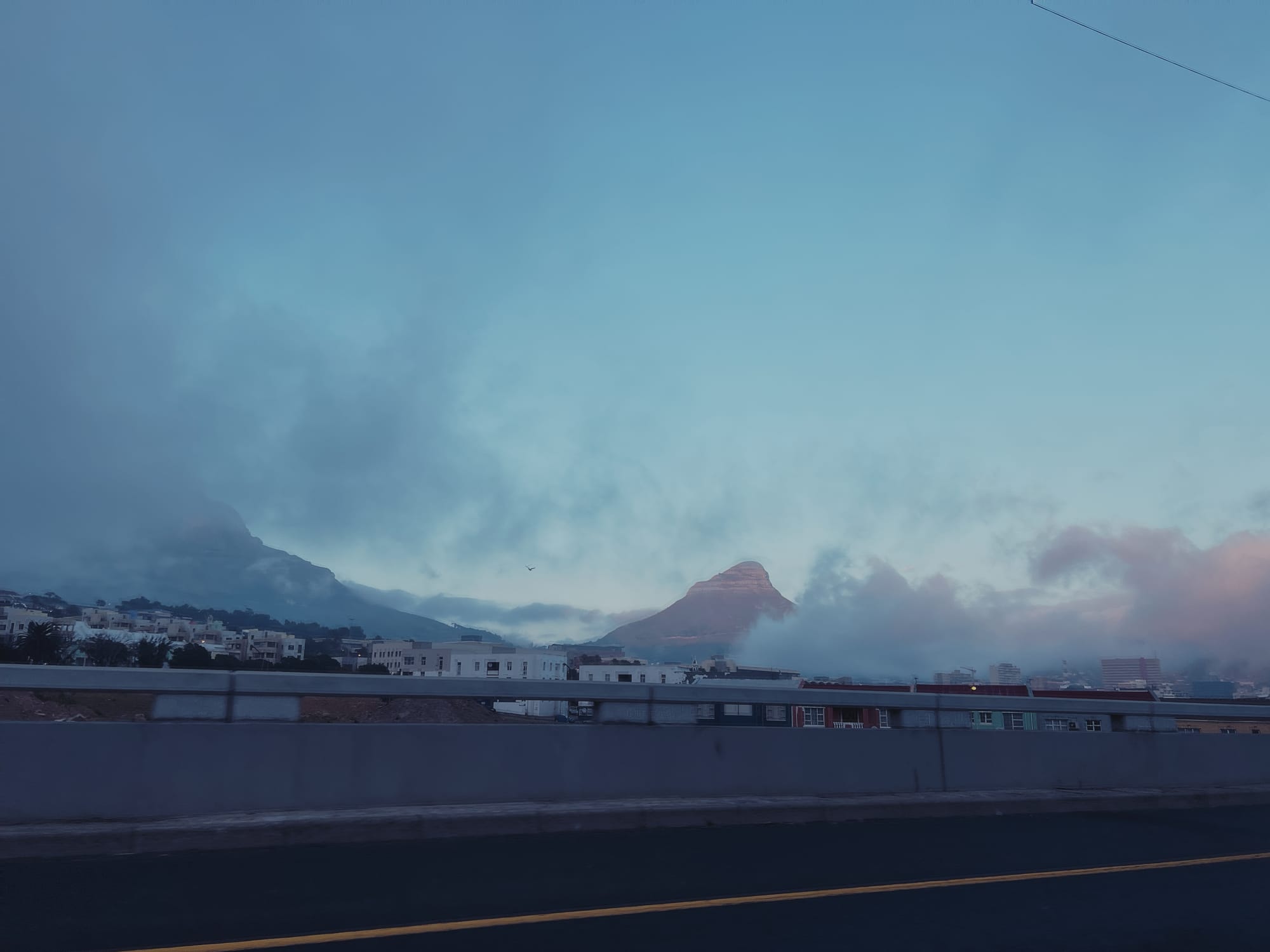
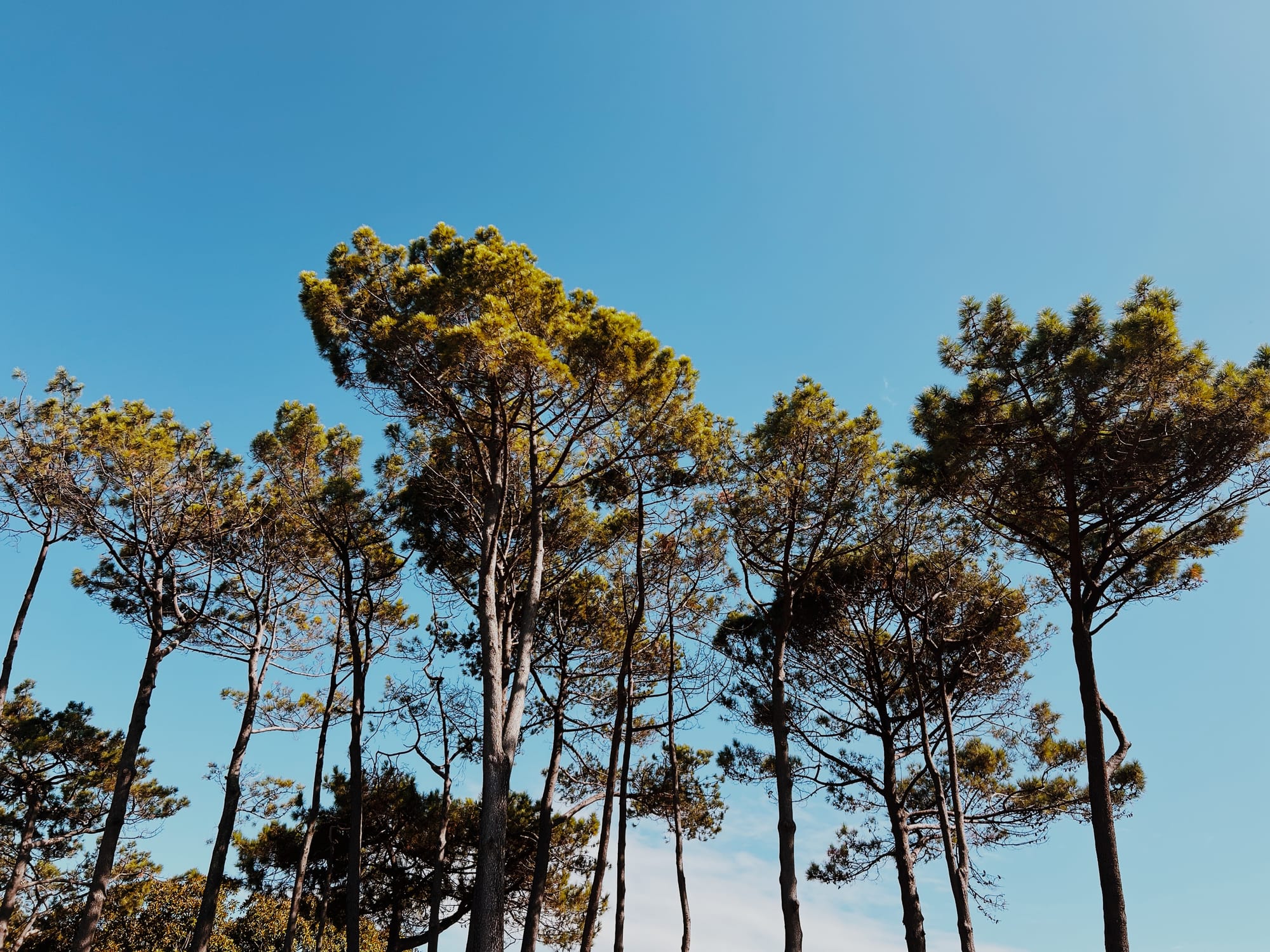
Last October, in Rome for the first time, the city's ubiquitous stone (or umbrella) pines reminded me of Cape Town. Now, in Cape Town, the many Pinus pinea here (wind-contorted, hardy, soaring and slightly melancholy silhouettes on mountain slopes and in urban parks) remind me of Rome – and with it, the delicious pang of being a foreigner in a foreign city. It is strange and wonderful and unsettling to be back in Cape Town. There is no escaping the sense of complicity and responsibility that one can so easily shirk when one is far away enough from one's roots. But now, perhaps, my shoulders (branches?) are broad enough to bear them... 🤞
Till next time.