in a distant forest
A melancholy reunion with redwoods.
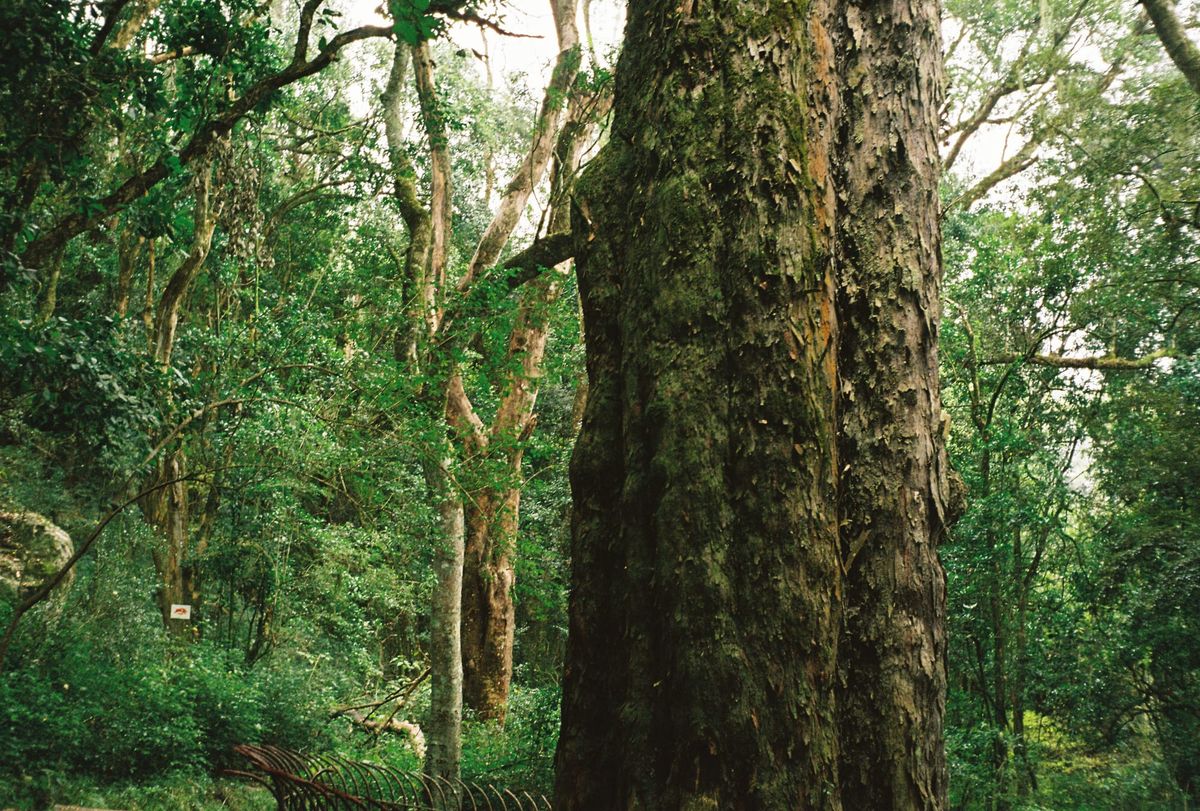
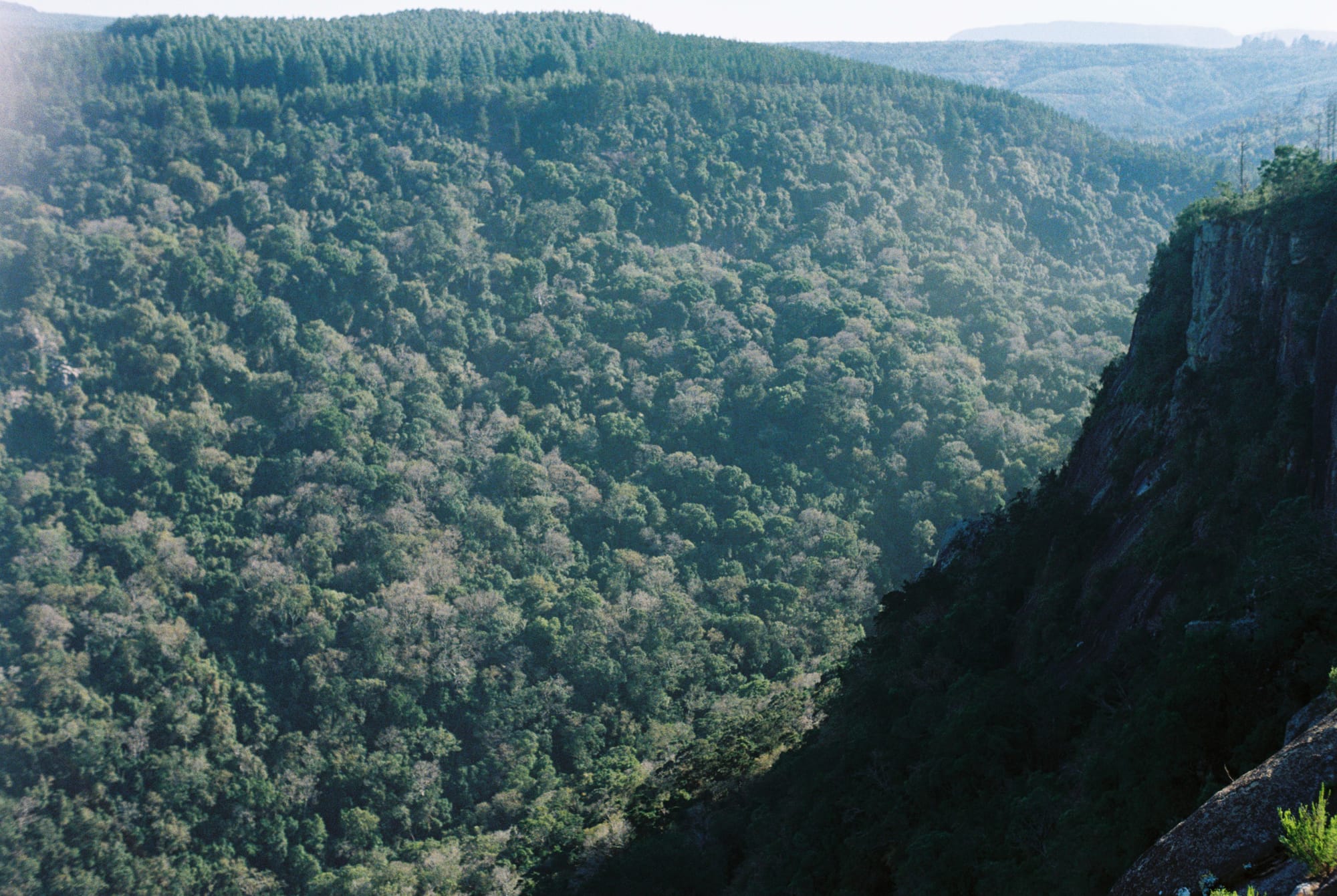
Only two full months separate this moment from the month of July, but already it feels like the cliff on the opposite side of a vast and bridge-less canyon: ominously, impossibly distant. In July, that foreign country, we visited Hogsback, a village set among mountains and trees in a remote corner of the Eastern Cape. It has a ramshackle countercultural vibe – a little bit lawless, a little bit bohemian, a little bit deflated. It's kind of how I imagine Mendocino County might have been like prior to weed getting legalised (and as the hippy homesteaders were aging out).
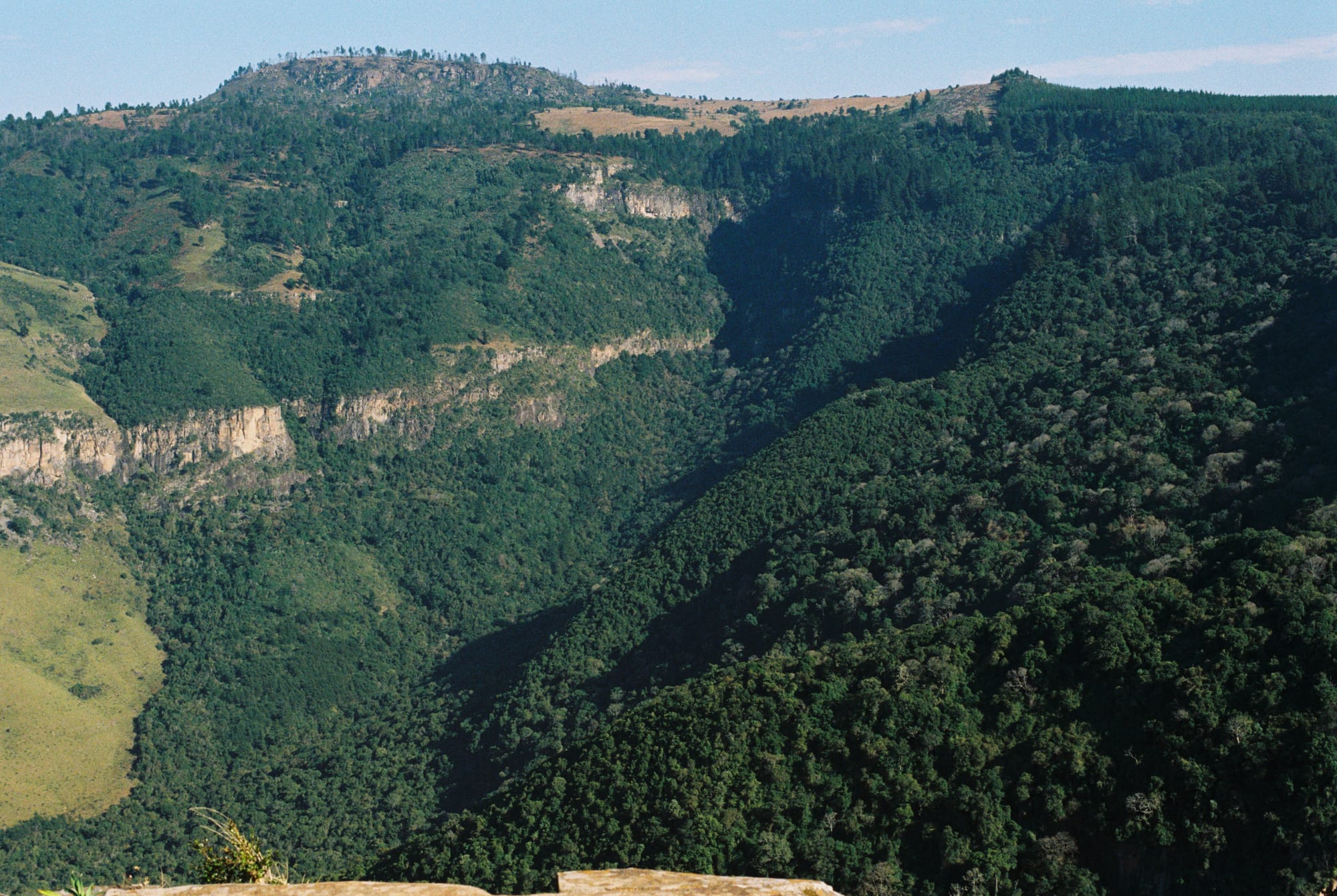
Anyway. The village is surrounded by a patchwork of forest: in gorges are remnants of indigenous forest; cresting the hills are plantations of unfriendly alien pine. And then there is an arboretum featuring trees from around the world – a Victorian experiment where different species were planted to test their suitability for growing as timber. A stand of five gorgeous, towering coastal redwoods (Sequoia sempervirens) has been growing here since the late 19th Century.
The reunion
The redwoods evoked mixed feelings, all of them strong.
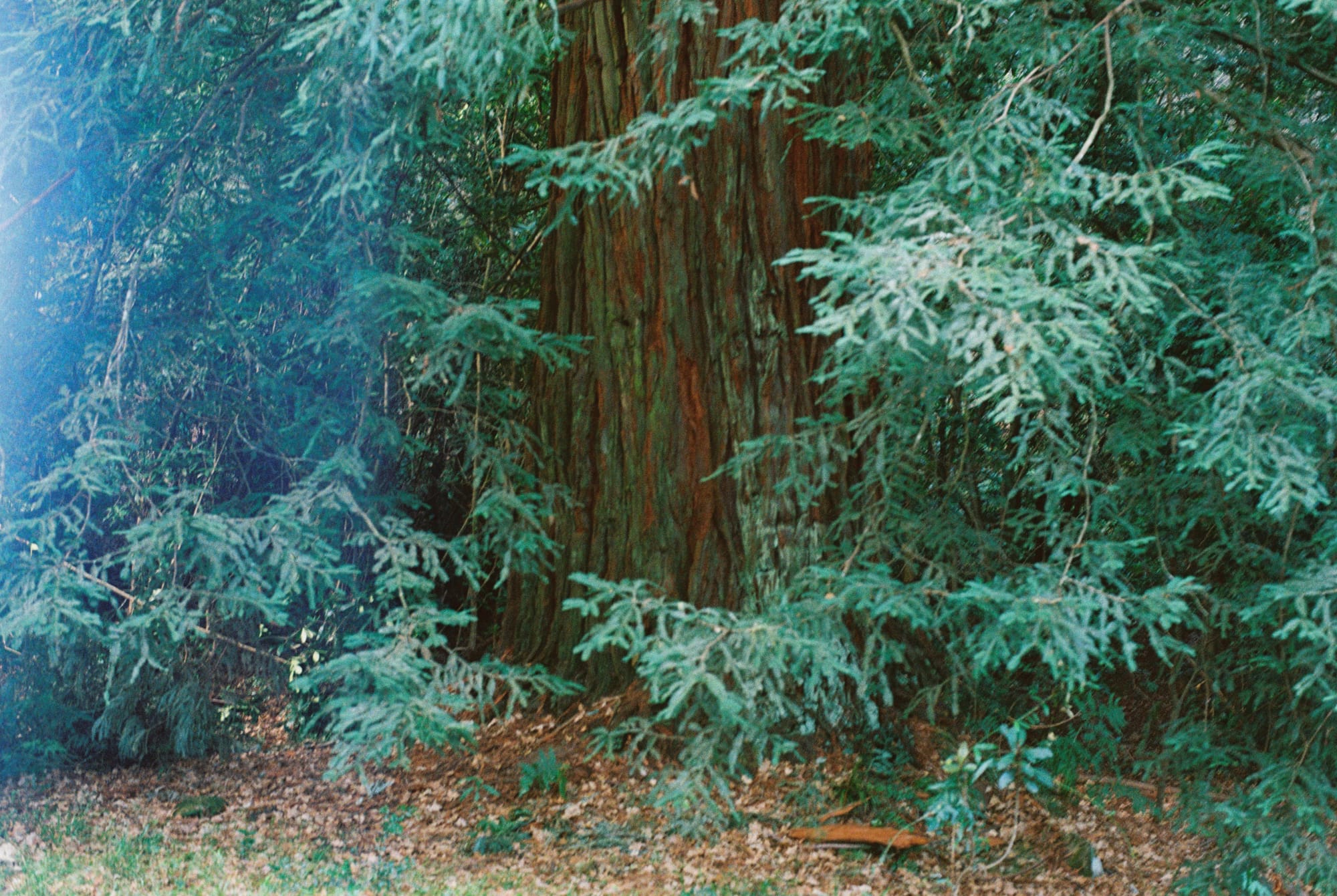
Firstly, delight and joy. I felt compelled to hug them, to press that familiar rough reddish bark against my hands, and I felt kinship with these Californians growing – thriving – so far from home. If my roots are in Africa, my branches scrape the coastal edge of Northern California – redwood habitat that has become my home (or at least a star in the constellation that home is, or is becoming).
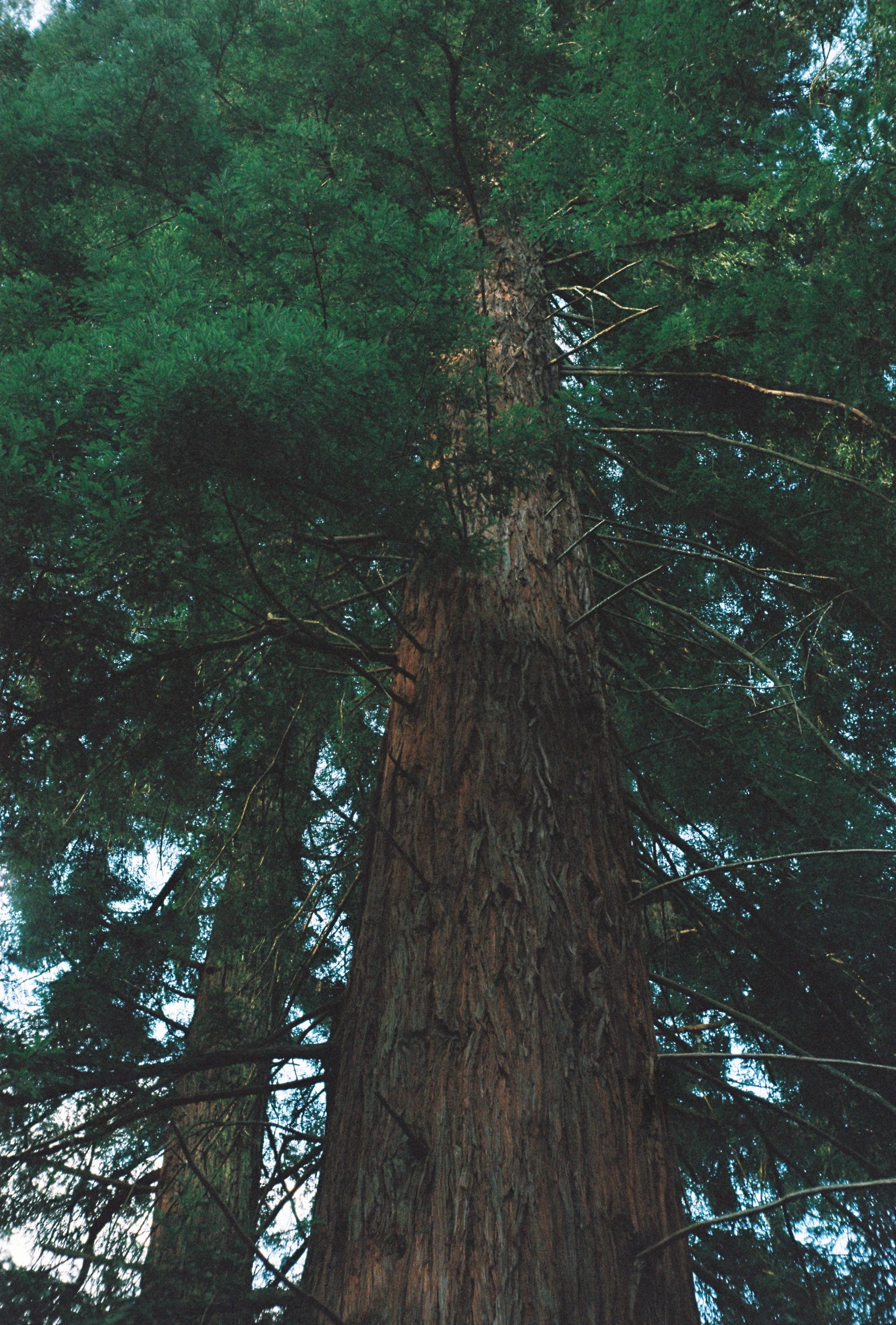
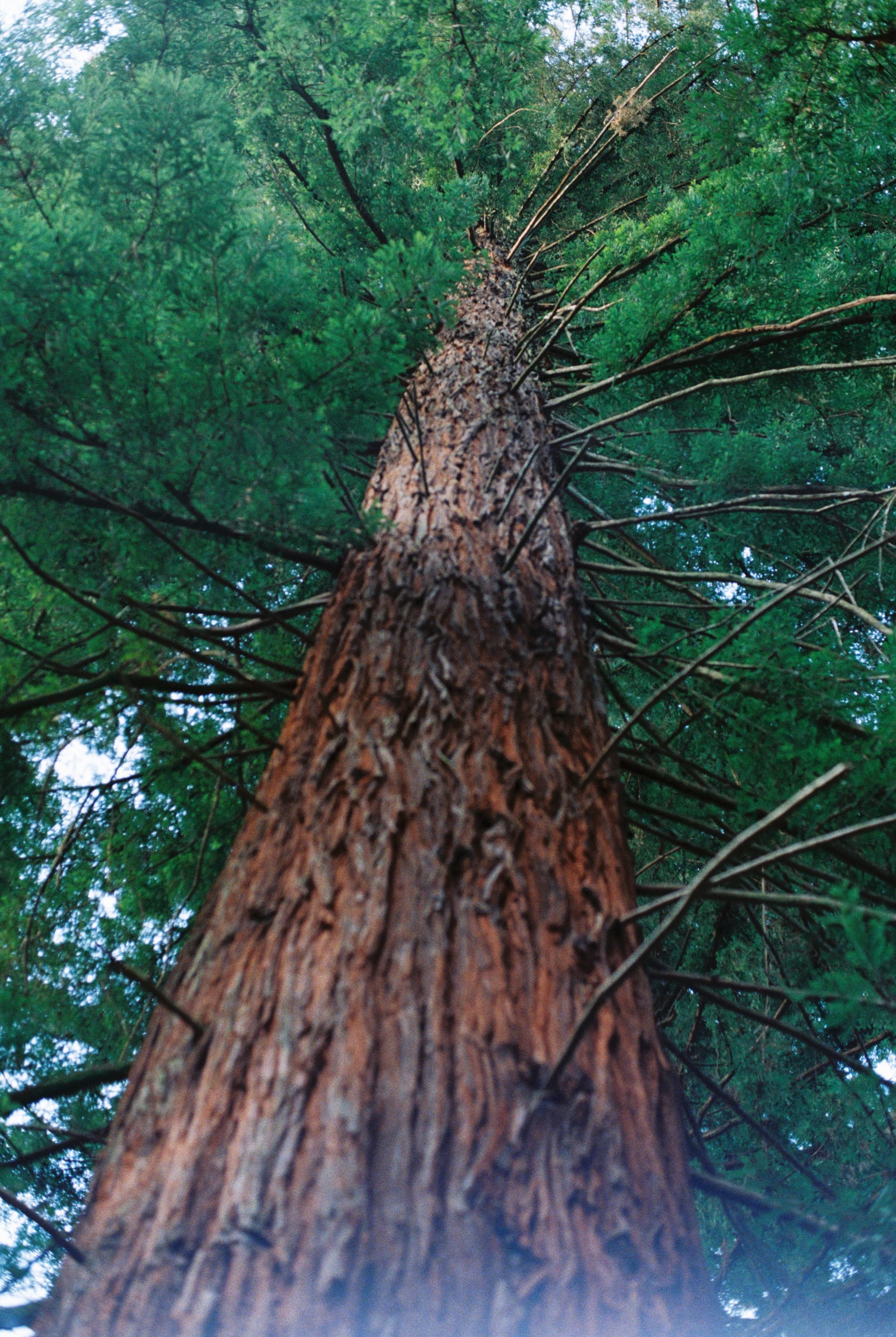
Pictures never do these giants justice, but I couldn't resist photographing them anyway.
But, twisted around the joy like a creeper was sadness, too. Much as I could revel in the physical essential presence of these redwoods (their redwoodness, as it were), I grieved over why they were there, and of what that represented. The arboretum was an outdoor laboratory to test trees – why? Because so much of South Africa's forests, indigenous and ancient, had been chopped down by 1884. Replacements were needed, and the colonial government of the time was looking impatiently elsewhere – for foreign, faster-growing interlopers – to take their place. Interestingly, despite thriving in the arboretum, the redwoods never became a forestry staple in South Africa and they are extremely rare in this country. (There are some growing in Grootvadersbosch Nature Reserve, I believe, and I know of one unhappy specimen in the Stellenbosch University Botanical Garden. That's pretty much it.)
Their presence in Hogsback – soaring, majestic, delightful, I know – is also a symbol of rapacious extraction, of natural gifts stolen, exploited and squandered. This is not a story unique to Hogsback, or the Eastern Cape and the rest of South Africa. Indeed, some 95% of old growth (ie not planted by humans) coastal redwoods in Northern California were logged in the 19th and 20th Century and only tiny fragments of the tallest and oldest specimens now remain. That is a staggering loss, one only partially mitigated by the fact that thousands of human-planted redwoods have the potential to become the giants of the 22nd Century and beyond (if unquenchable wildfires or nuclear armageddon don't destroy them first).
My jubilance intertwined with mourning was familiar territory. I articulated it in a response to a visit to a treehouse in South Africa's Lowveld region recently – musings that feel just as appropriate for Hogsback and its redwoods and fragments of gorgeous grand indigenous trees (oh yellowwoods!):
Do we resent human encroachment, despoiling, pollution? Or savour the remnants of wildness that still exist – often exuberantly – in spite of us? There is space for both, I suppose. To mourn what is lost, what is disrupted and imperilled. To mourn the costs of extraction, 'growth' and movement – that are so often not borne by those profiting from those things. To mourn all that while treasuring what remains. Savouring, relishing, loving it to the point of bursting.
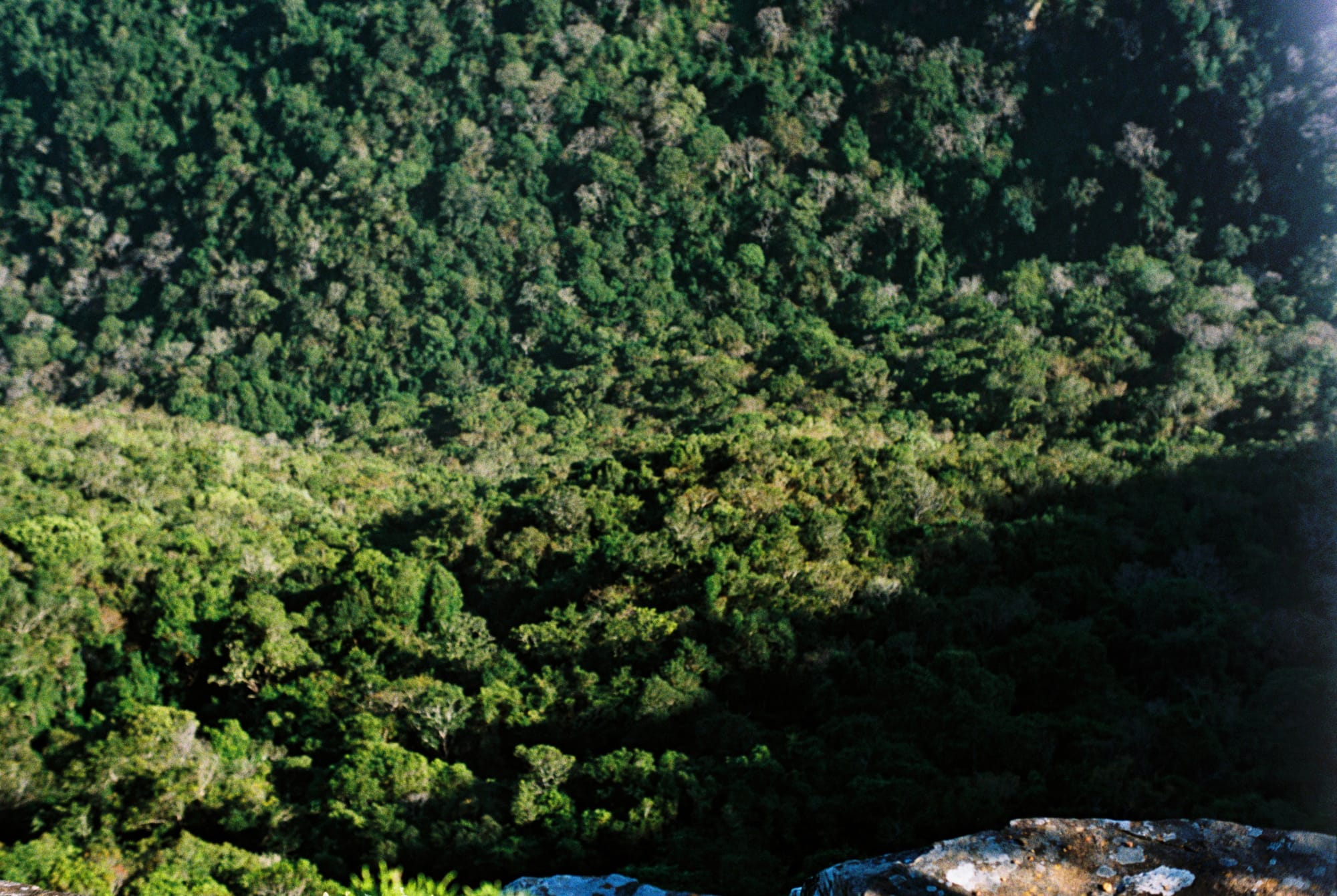
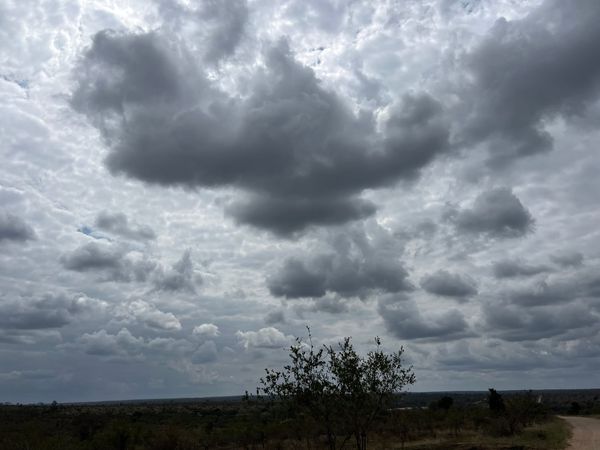
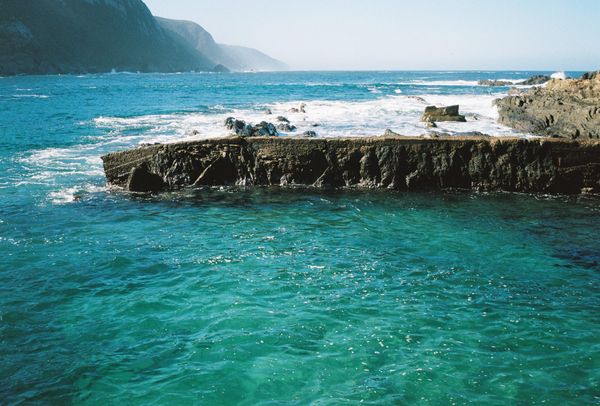
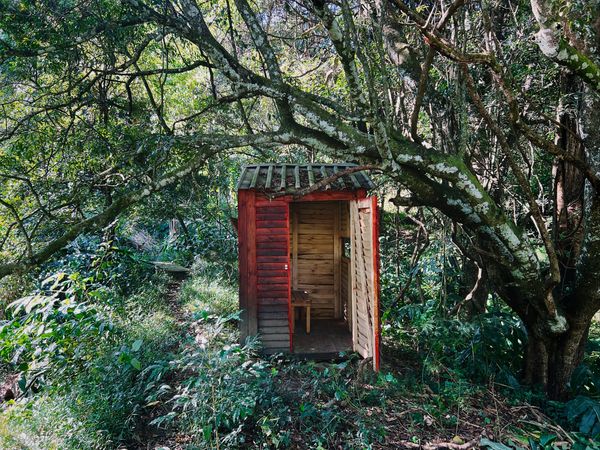
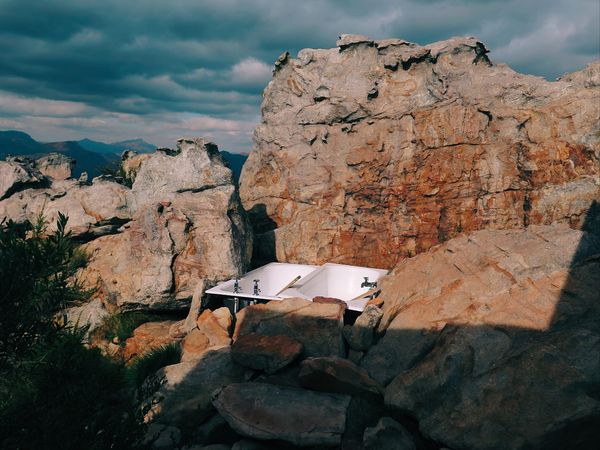
[All the of the photographs featured in this Field Note were taken using two different film cameras: the Olympus OM-1 and the Olympus Trip 35.]
This is the latest in a sequence of irregular Field Notes from a swimming pool library.