those semi-desert duds
Photographing failure.
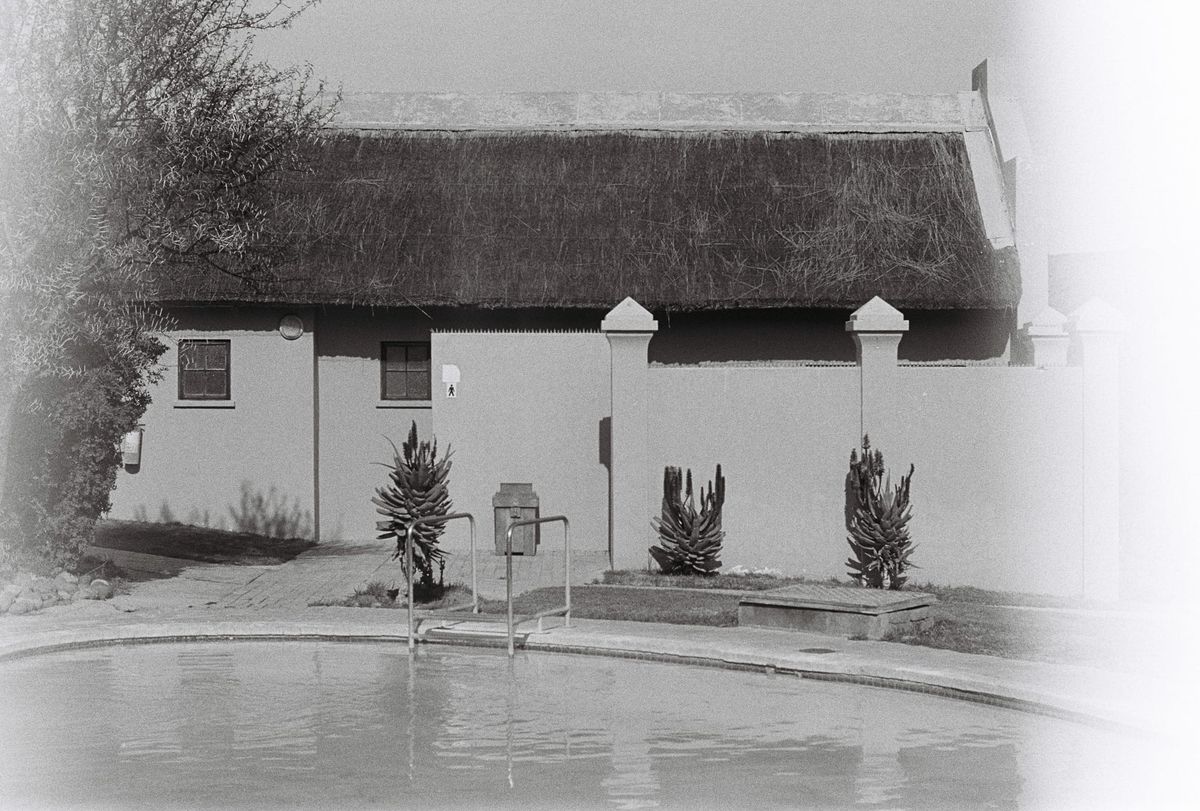
When I first returned to film photography earlier this year I was sufficiently intimidated (by the need to finesse shutter speed and aperture) to keep my hopes rather modest. I anticipated that initially few photos might turn out well when developed – and I thought I'd be satisfied with this.
To my exhilarated surprise, the majority of the images I got back from developing the first rolls were decent. But revelling in these triumphs was short-lived; I found myself glossing over the 'good' pictures – instead stewing in disappointment about the ones whose imperfections loomed large. It's been interesting to observe that shift in baseline for what I expect from myself as a film photographer – a far more rapid shift than the haphazard, undulating pace of my improvements in skill. The ensuing self-criticism! Eish.
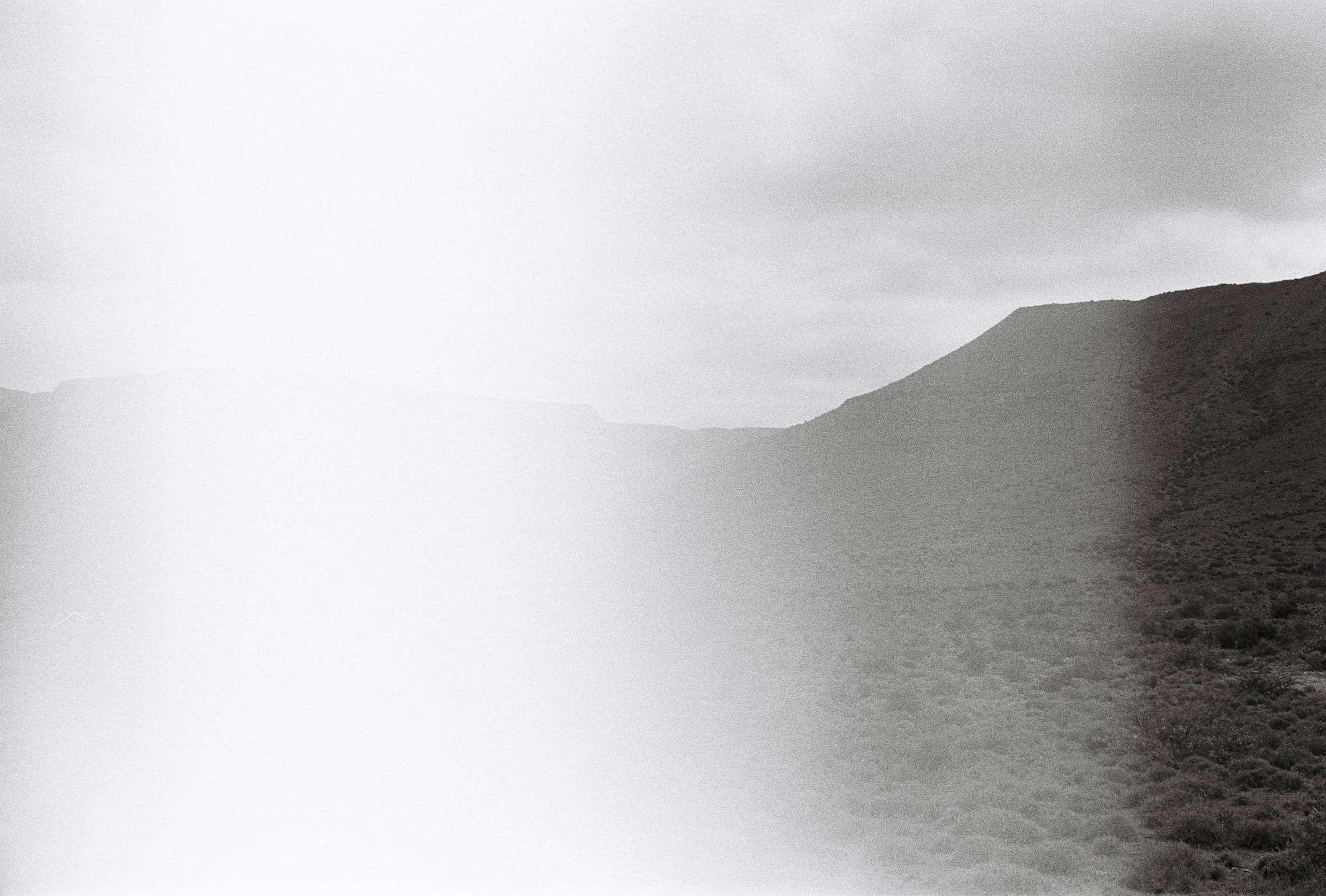
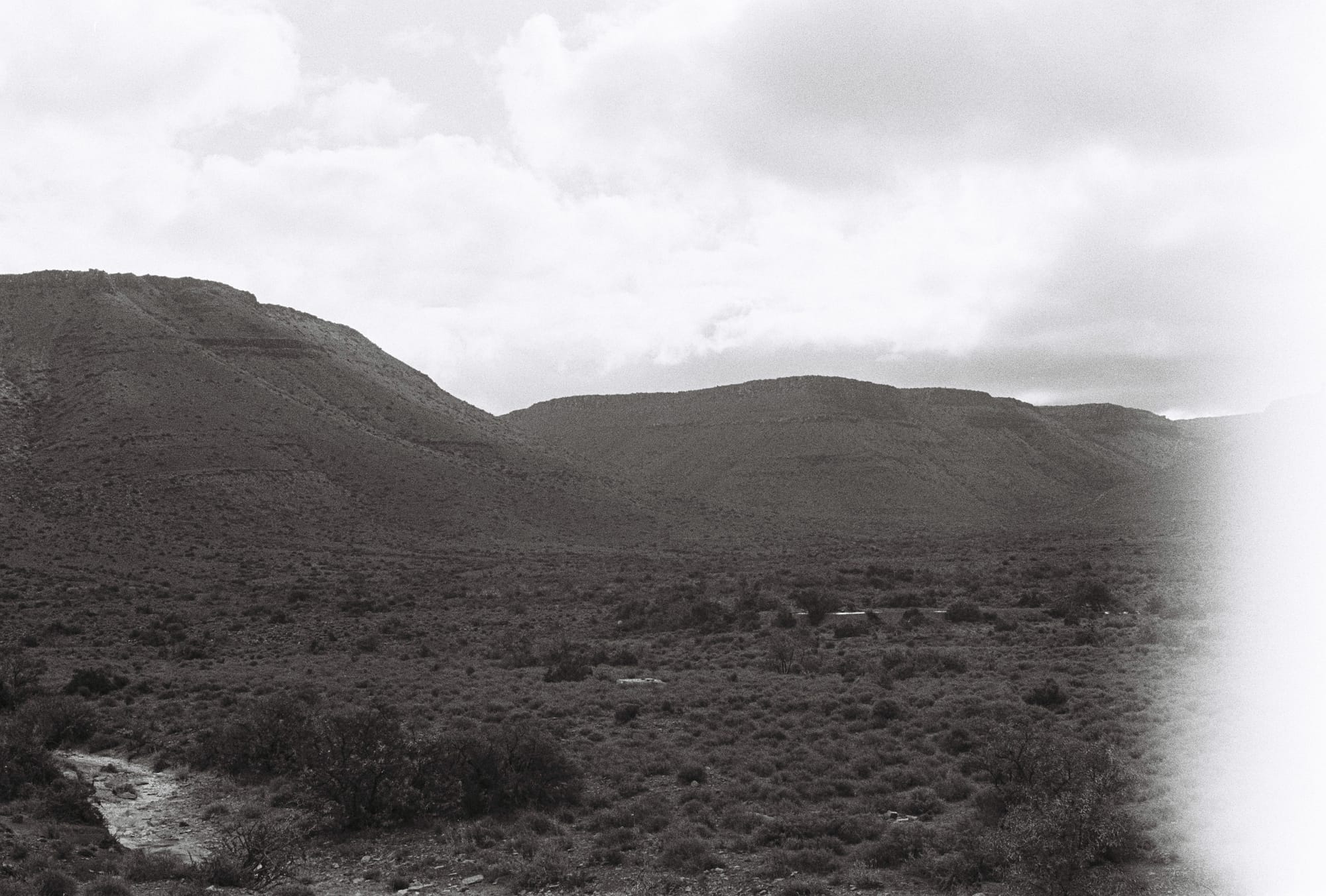
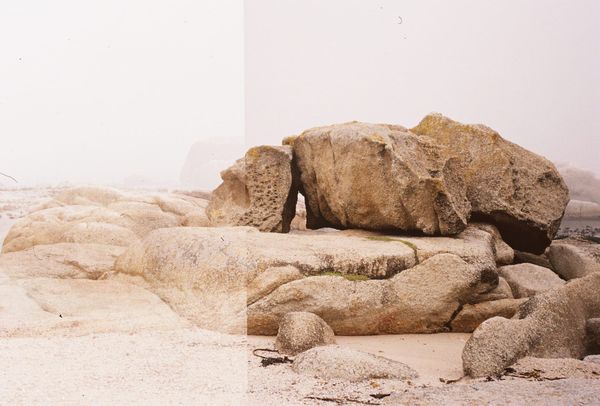
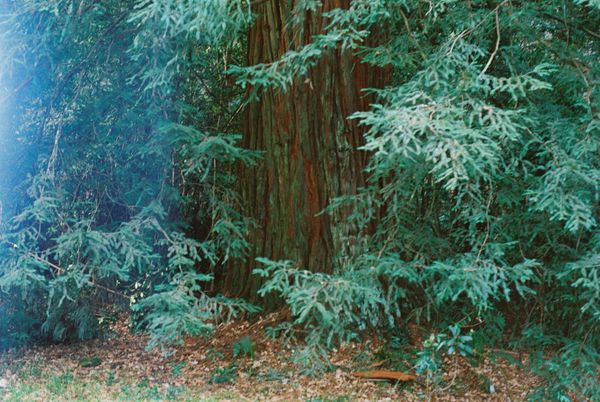
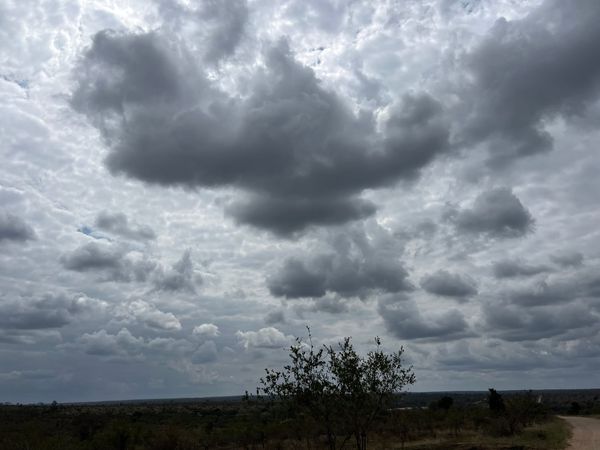
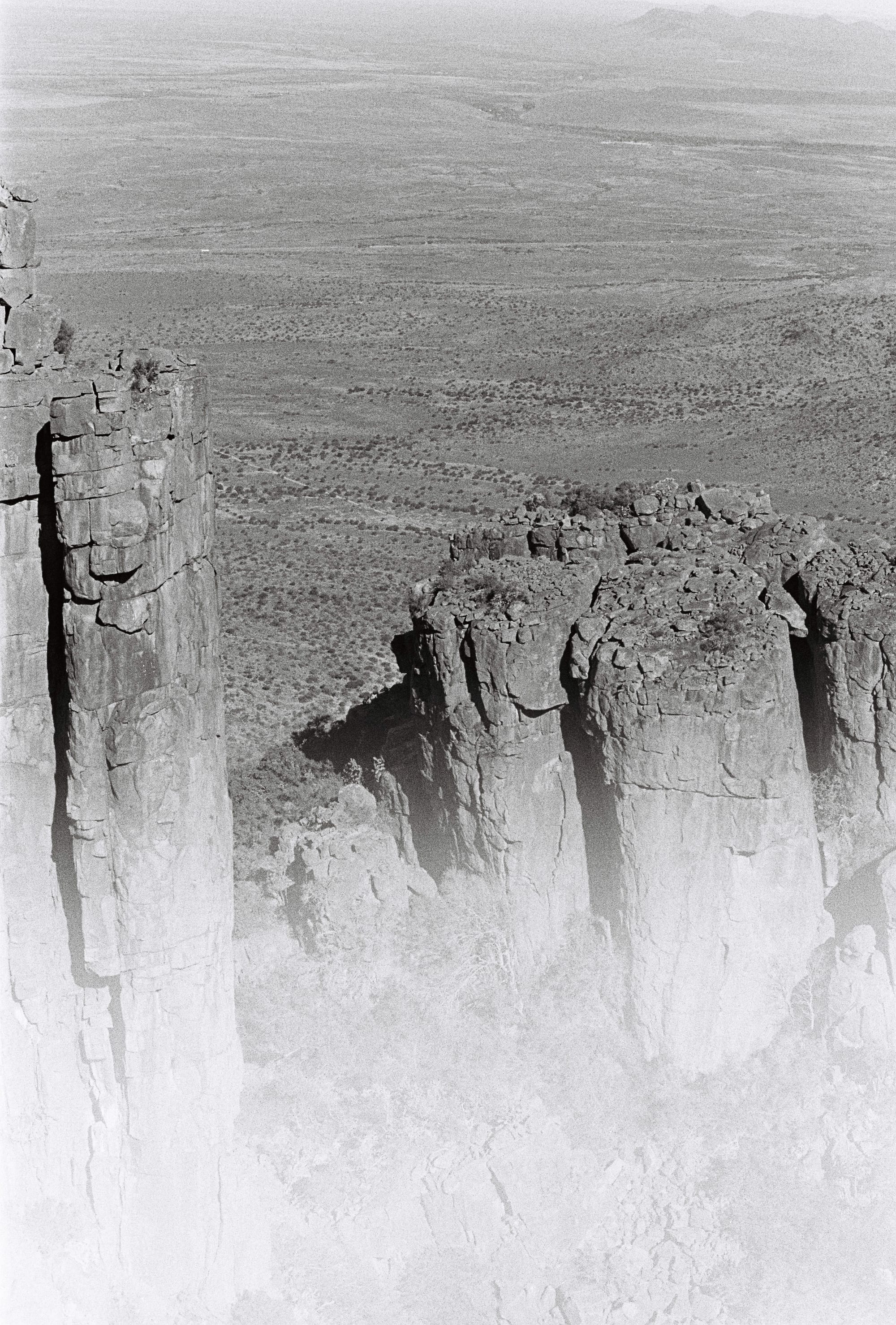
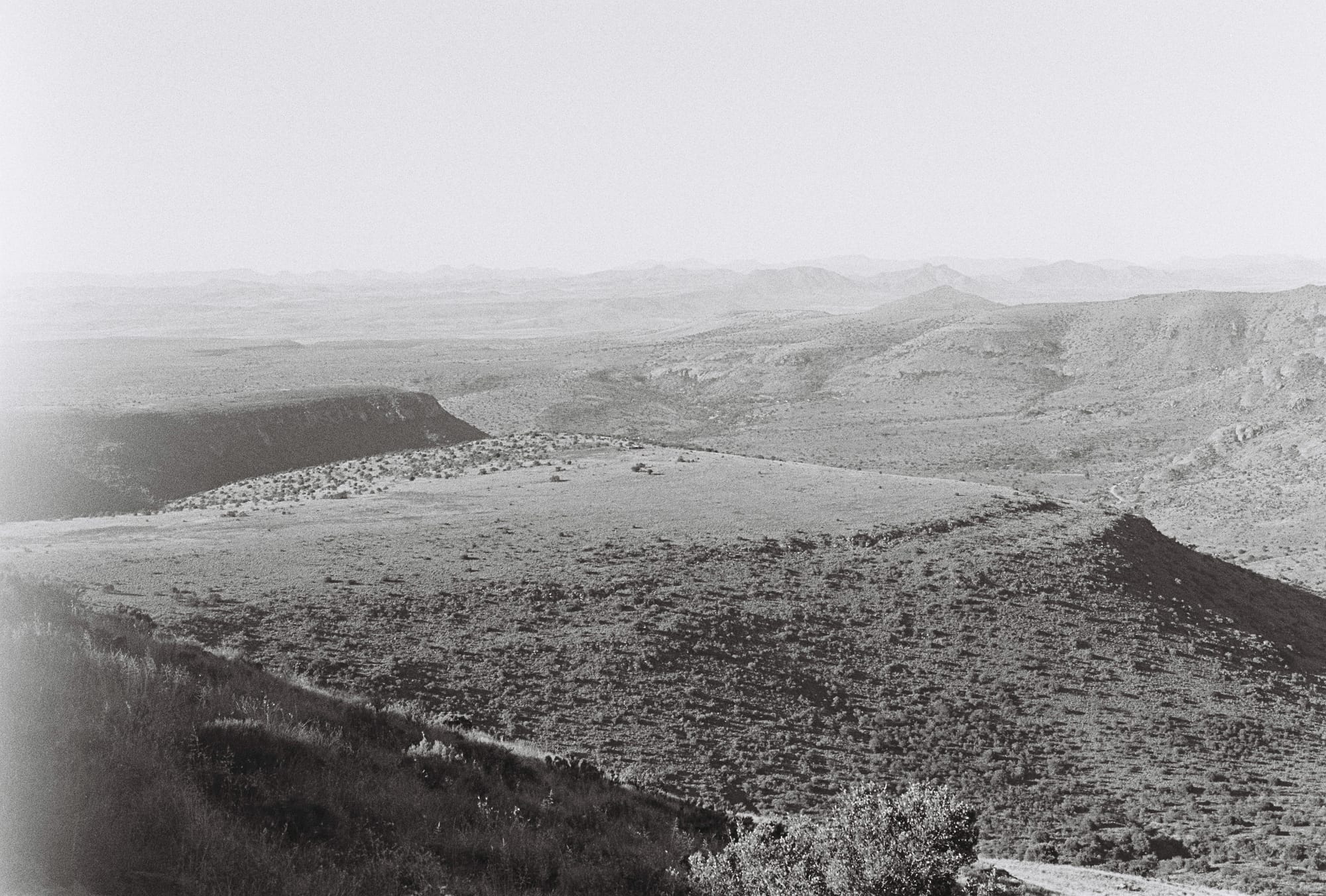
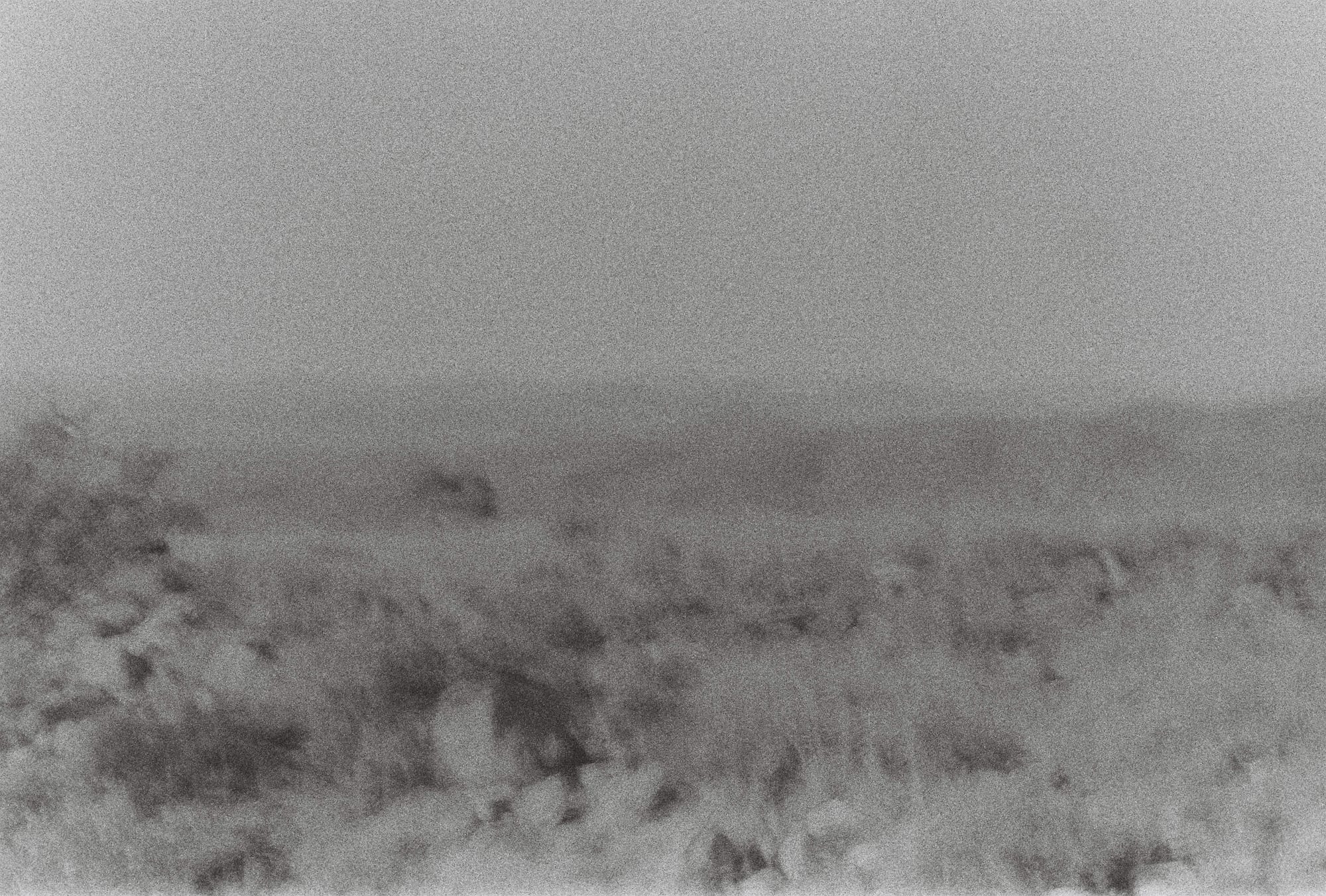
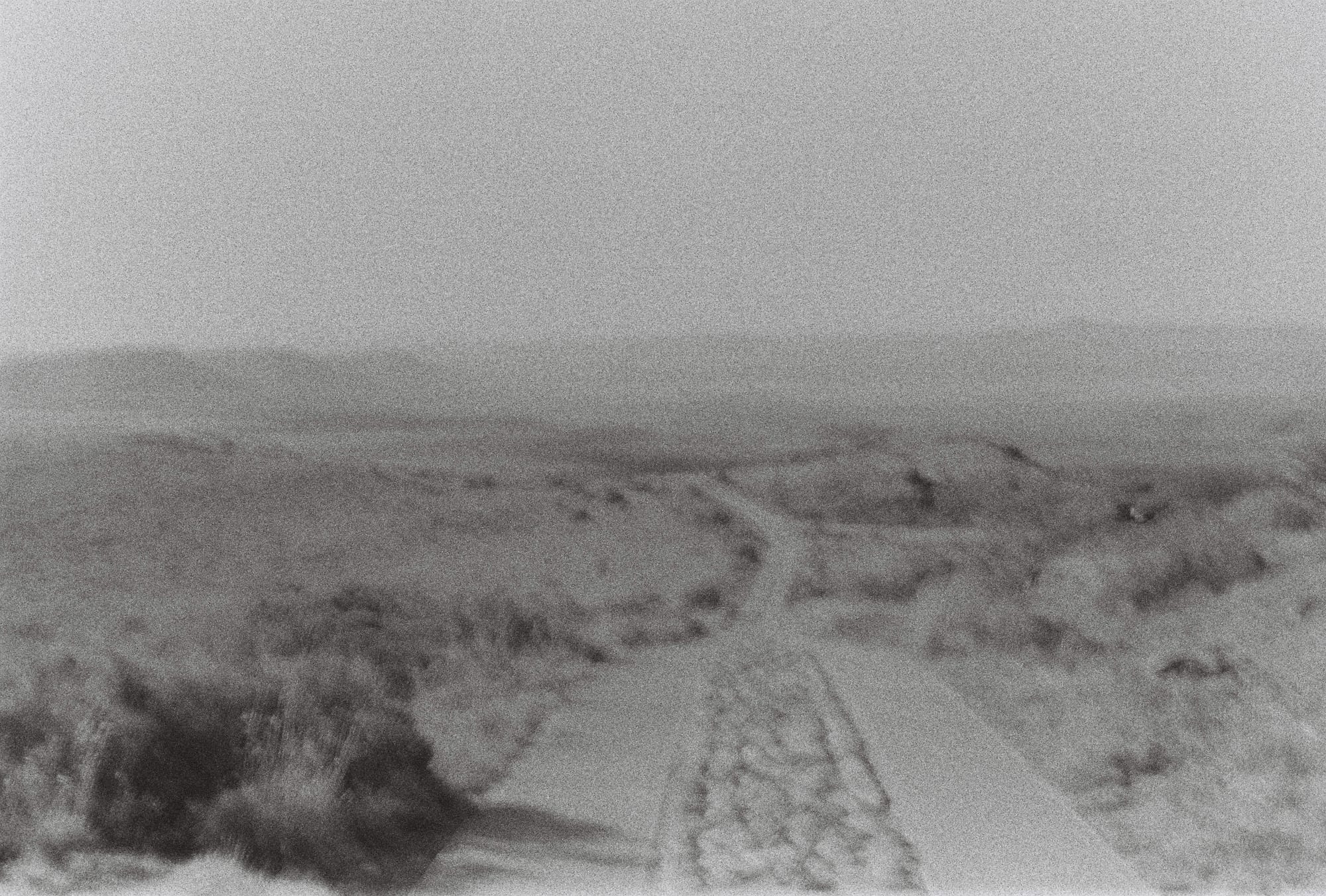
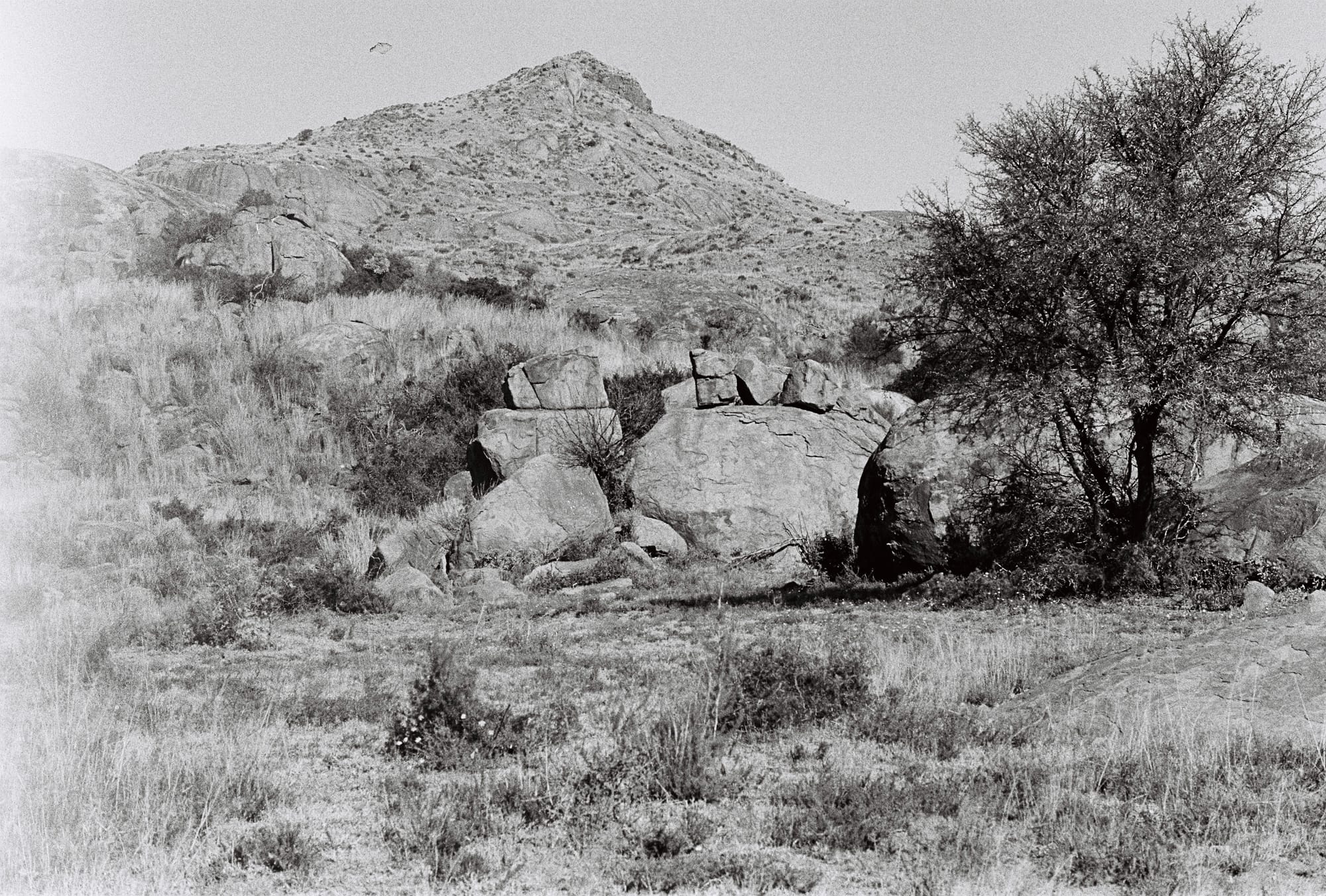
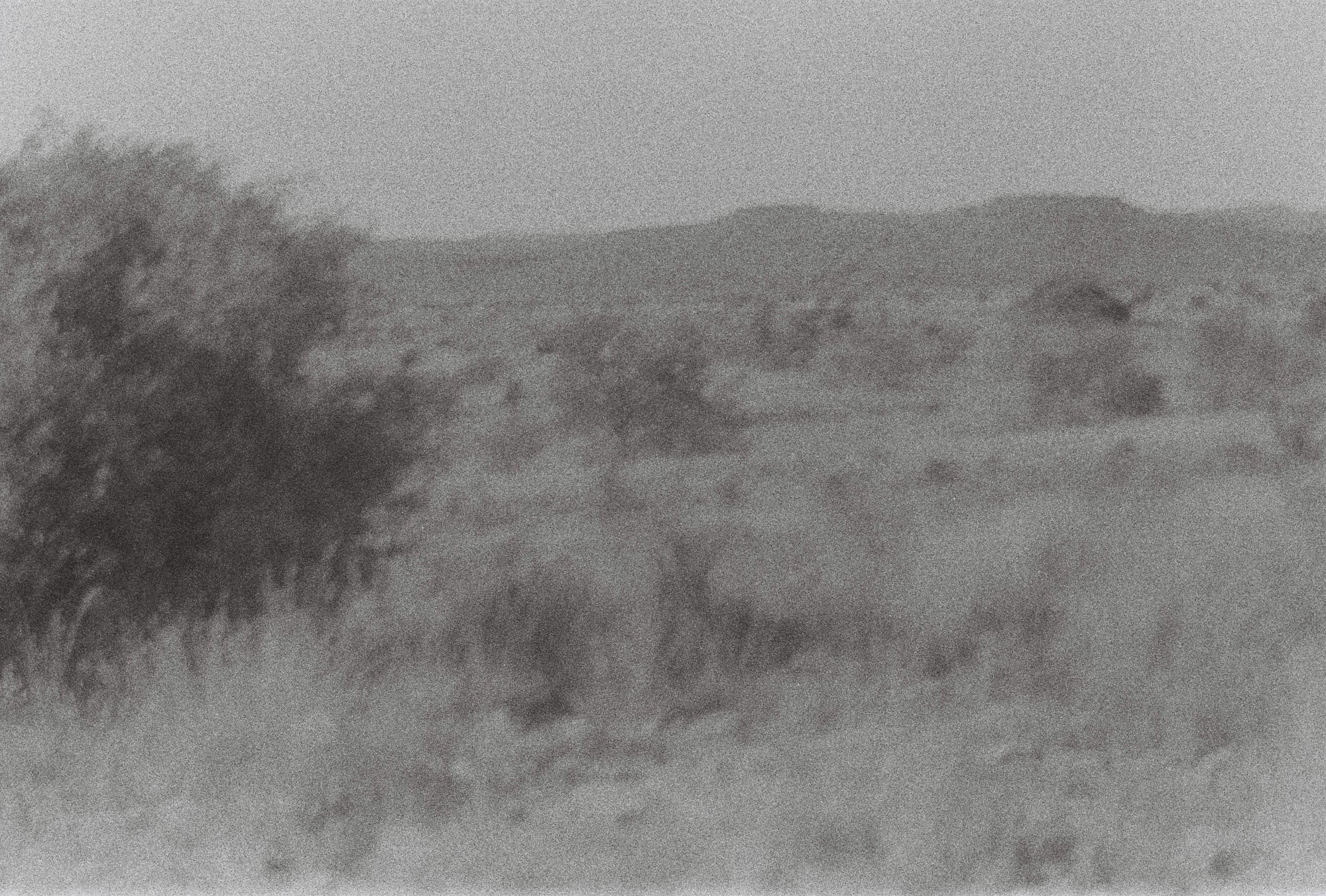
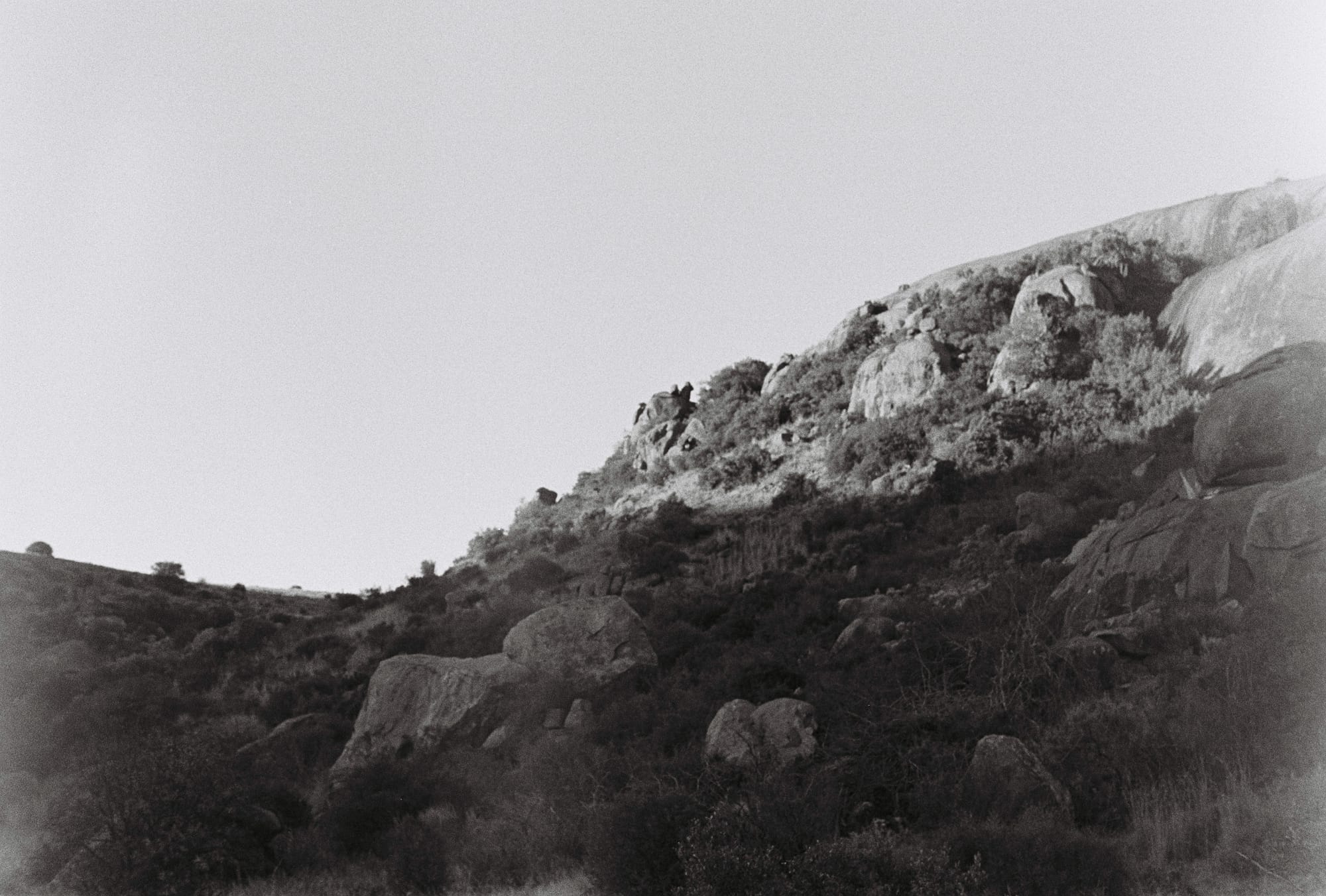
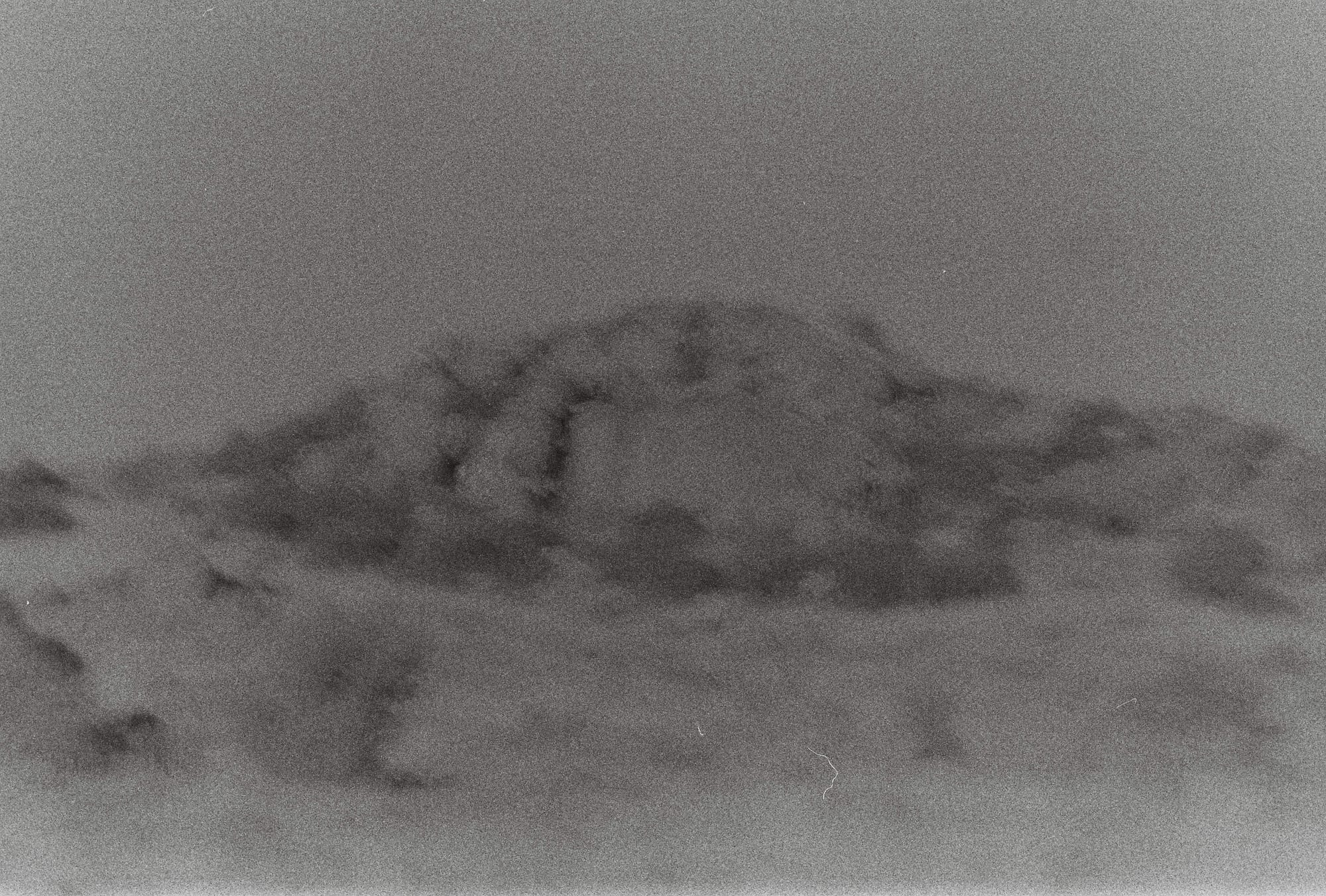
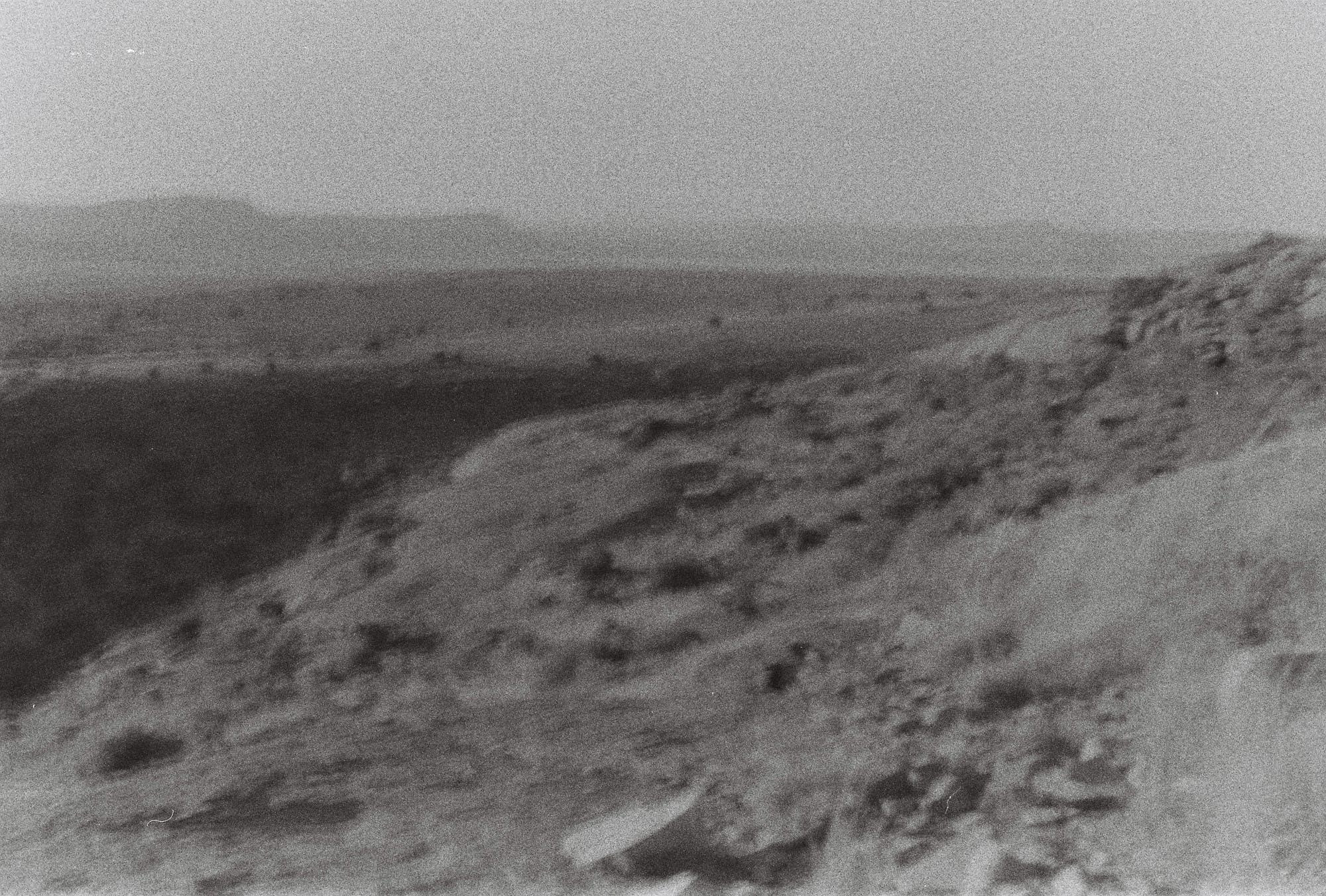
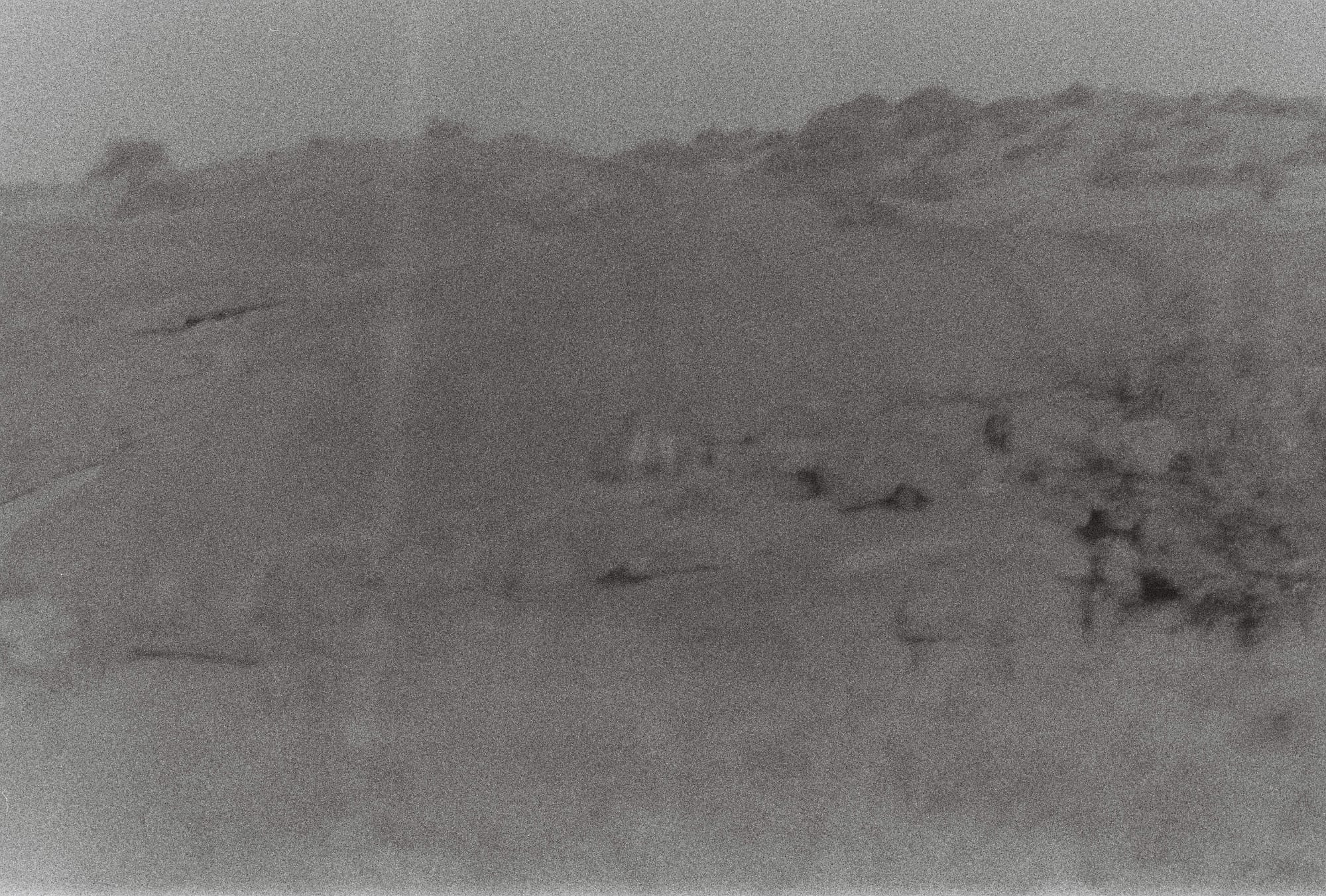
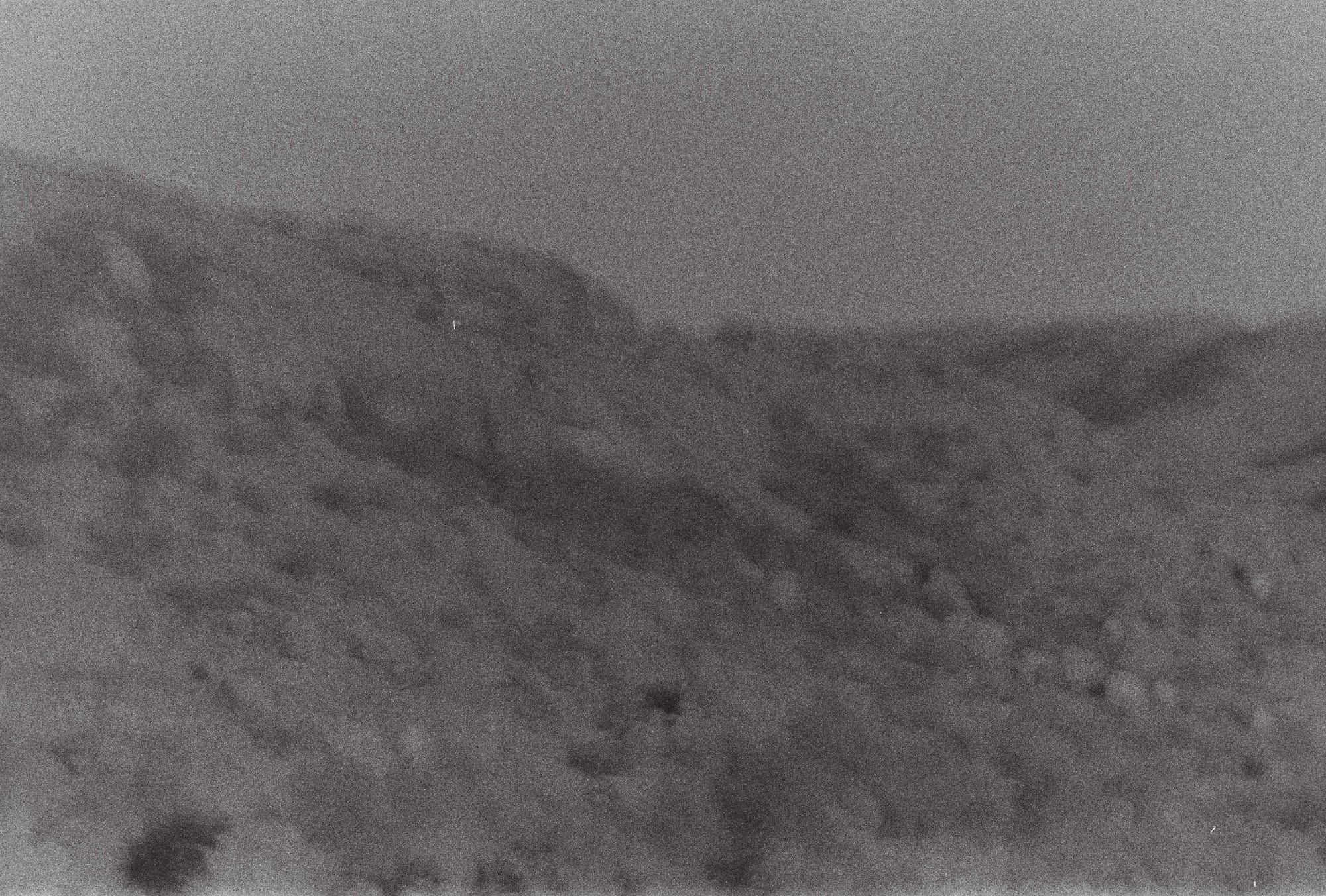
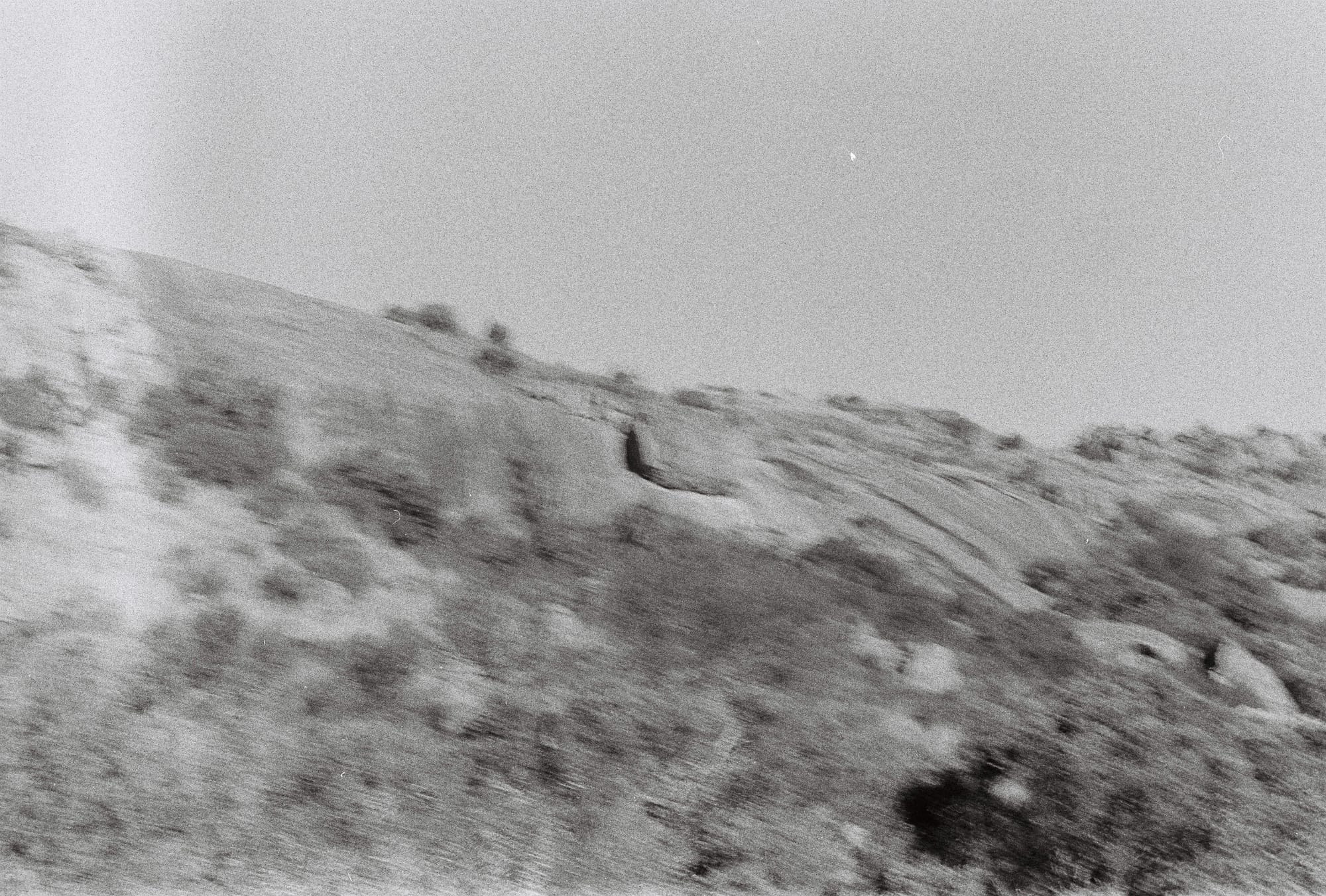
On a road trip in July in South Africa's vast semi-desert Karoo, I shot a roll of black and white film using my late dad's Olympus OM-1. I was still rather confused by f-stop and hadn't fully figured out how to use the light meter yet. The result was a number of images which were grossly underexposed. Making matters worse, once the roll was finished, I accidentally exposed it to light (I had mistakenly thought I had rewound the film into the canister but it was only, it turns out, partially rewound). This damaged a number of frames, censoring parts of them with ghostly white smudges. In some instances, they marred images that were otherwise technically on-point (in focus, and with balanced contrast).
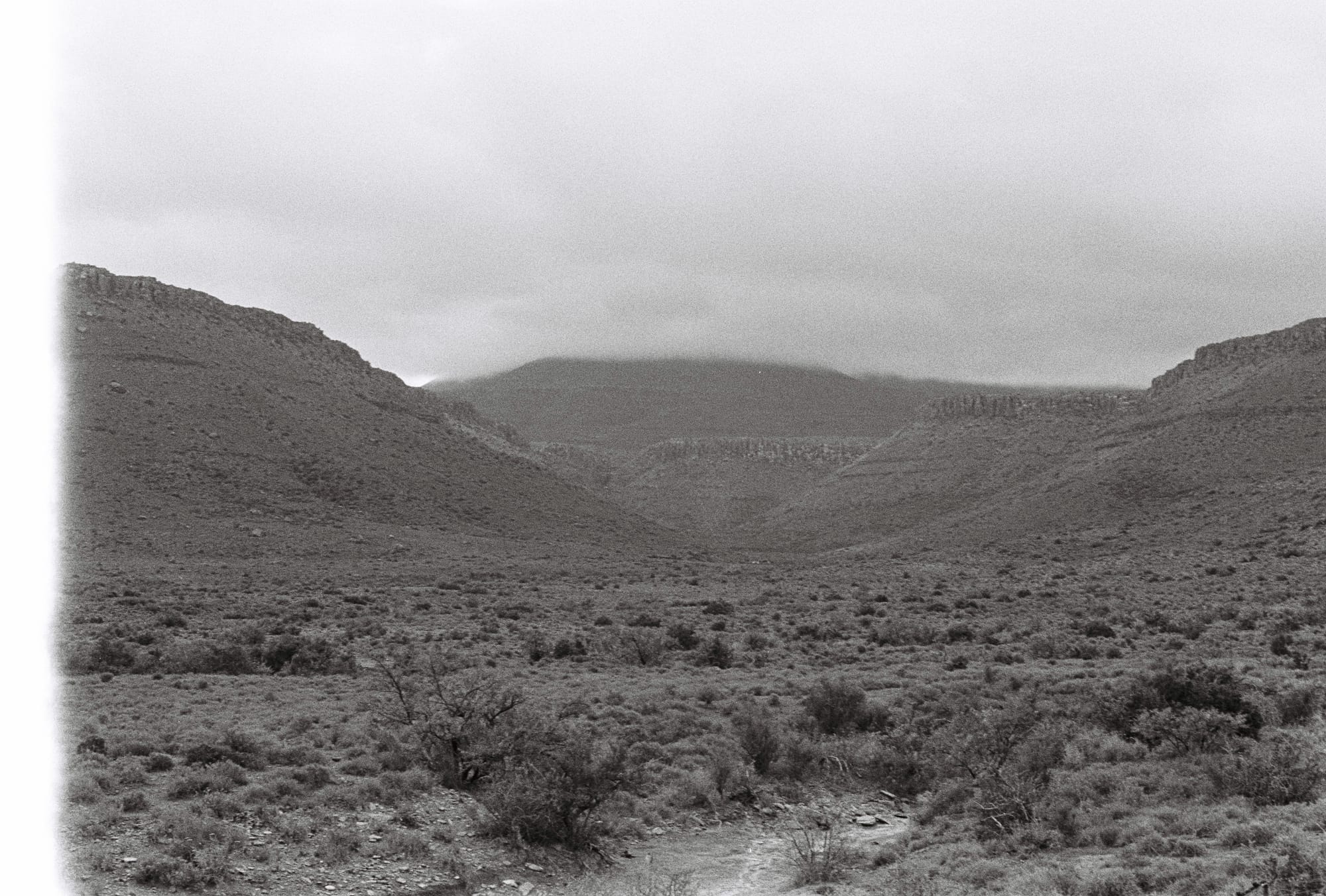
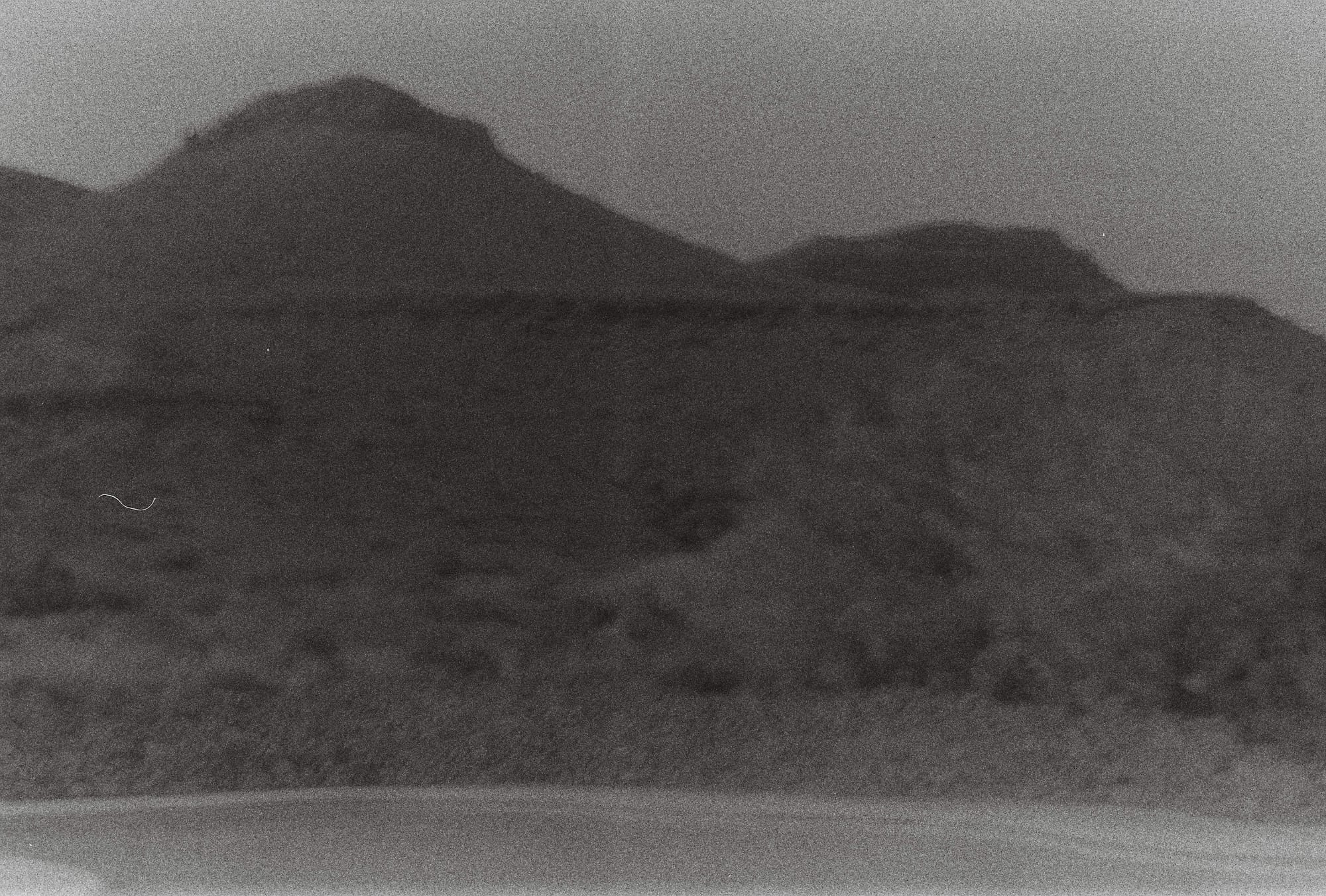
I've weeded through that film roll. Of the 29 photos I kept, only 12 are "good" (none of them appear here). The rest are grossly imperfect for the reasons I've explained above. My relationship to them has changed – despite their obvious flaws I feel rather attached to them. In fact, I'd hazard that, when it comes to these particular images, it is the imperfections themselves that animate my fondness. Sure, these photos are failures – they fail to be accurate records of what I was trying to capture – but where they succeed is in evoking a palette of different moods and in serving as visual allusions to dream and memory (and the limitations and distortions that can haunt both). Fragmentary and fallible, sites of inference, conjecture and interpretation; literal grey areas – but no less valuable because of that.
This is the latest in a sequence of irregular Field Notes from a swimming pool library.